College faculty researches implications of COVID in rural communities
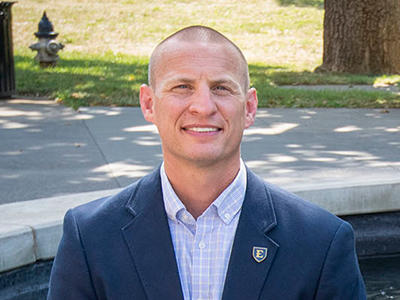
Nathan Hale, faculty in the East Tennessee State University College of Public Health’s Department of Health Services Management and Policy, is lead author of an article in The Journal of Rural Health. The article, “The implications of long COVID for rural communities,” discusses the unique challenges rural communities face during the pandemic.
ETSU Center for Rural Health Research faculty members Michael Meit, Samuel Pettyjohn, and Amy Wahlquist are co-authors along with Matthew Loos of Ballad Health.
The overall rate of infection and subsequent mortality from COVID is higher in rural communities is higher than what is observed among their urban counterparts—this has important implications for long COVID, which is emerging as a important issue for many.
First and foremost, long COVID places the health and well-being of rural populations at risk. Higher rates of infection coupled with lagging vaccination uptake suggest that long COVID will likely affect individuals living in rural communities disproportionately relative to urban. While symptoms and severity of long COVID can range from mild to severe, the potential impact on mental health, social function, and the ability to continue working can be substantial. Potential gaps in employment are particularly problematic for rural communities given the economic impact of COVID-19 on employment in rural communities has already been substantial.
Rural health care providers and health care delivery systems are also in a difficult position. Most states have long COVID clinics; however, these typically require multidisciplinary teams of specialist health care providers primarily located in urban centers. The availability of the multidisciplinary specialty care needed to diagnose and treat long COVID is sparse in rural communities that already face longstanding structural barriers in accessing medical care.
Taken collectively, rural communities have higher rates of infection and increased susceptibility for more severe disease. Given historical barriers in accessing care and less rural engagement in mitigation strategies—long COVID will have a disproportionate effect on rural communities, much like acute COVID. As significant investments in long COVID research emerge, ensuring that rural areas are represented in ongoing research efforts is critical for confirming that rural communities are not left behind as diagnosis, treatment, and rehabilitation programs and policies are developed.