College Publishes on Obesity Factors in sub-Saharan Africa
Students, alumni, and faculty from East Tennessee State University’s College of Public Health have published on sociocultural factors that predispose women and girls in sub-Saharan Africa to become overweight or obese. The article, "A qualitative research synthesis of contextual factors contributing to female overweight and obesity over the life course in sub-Saharan Africa" appeared in PLOS ONE.
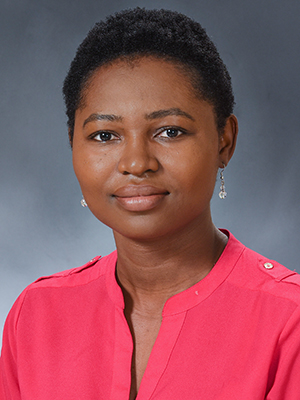
Dr. Ifeoma Ozodiegwu, alumna of the college’s doctor of public health program, is lead author of the article. Drs. Mary Ann Littleton, Megan Quinn, and Hadii Mamudu, college faculty, are co-authors along with current doctoral students Christian Nwabueze and Oluwaseun Famojuro. Dr. Richard Wallace of the Quillen College of Medicine also co-authored the article.
Understanding the factors that cause women in sub-Saharan Africa to become obese is one of the global voluntary targets outlined in the World Health Organization Global Action Plan for the Prevention and Control of Non-communicable Diseases. One of the overarching principles of the plan is the recognition that a life-course approach to the prevention and control of disease is crucial. Adopting a life-course approach permits the identification of potential adiposity risk factors and prevention needs at multiple life stages.
In this report, the authors aggregate research literature on contextual factors that potentially predispose adult women and adolescent girls to overweight and obesity. An exhaustive search was conducted in PubMed to identify journal articles and dissertations related to the study aims. After the removal of duplicates and any studies conducted prior to 2000, a total of 446 records remained. After critical appraisal, a total of 17 studies were included for this report.
Three major themes: body size and shape ideals, barriers to healthy food choices, and barriers to engaging in physical activity were identified from the thematic analysis. In the description of these themes, sub-themes within each overarching theme were presented for both adult women and adolescent girls.
From their analysis, the researchers concluded that sociocultural, institutional and peer-related factors were powerful forces shaping body size preferences, food choices and participation in physical activity. They also found a number of adverse effects from the institutionalization of body size and shape ideals including weight-related victimization among adolescents and stigmatization of thinness due to a perceived link with HIV. The authors call for further research to translate these findings into community-based interventions that can reduce overweight and obesity in sub-Saharan Africa.