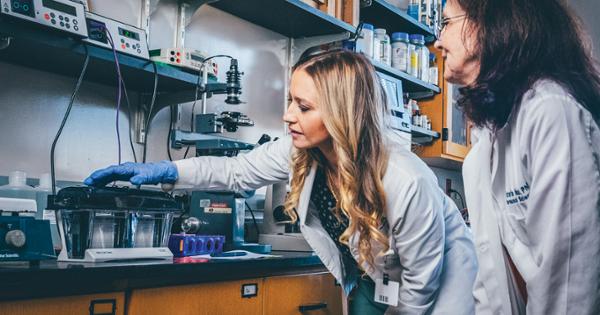
Healthcare Training Facilities
At East Tennessee State University, your training takes place in the same kinds of spaces where you will one day save lives, serve communities, and improve health and well-being in communities across Appalachia and beyond.
With five health sciences colleges working together as part of the university’s Academic Health Sciences Center, ETSU offers unmatched access to world-class teaching labs, clinical spaces, research centers, and simulation environments — all designed to prepare you for the real world from your very first semester.
Here, learning isn't theoretical. It’s hands-on, team-based, community-driven, and shaped by the needs of the region we serve.
What Sets ETSU's Healthcare Training Facilities Apart?
Our training facilities reflect the environments our students will work in as collaborators, innovators and leaders in rural health.
Students train in environments that resemble modern hospitals, community clinics, public health systems, rehabilitation centers, and even a fully furnished patient home.
Whether you’re practicing procedures, working with standardized patients, learning new technology, or problem-solving in real clinical settings, you gain the confidence and competency to care for people the moment you enter the workforce.
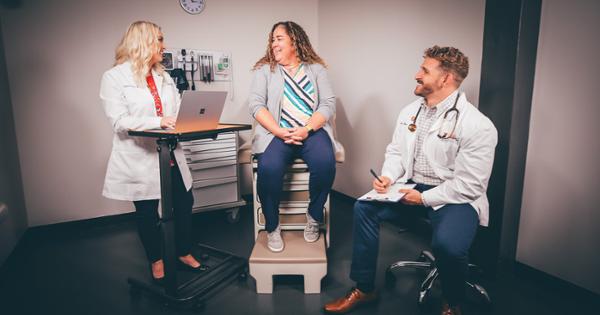
How Do Students Benefit from Learning at these Facilities?
Bishop Hall: Where Collaborative Healthcare Teams Train
Bishop Hall is the home of interprofessional training at ETSU – a place where future health professionals learn side by side as true collaborative care teams.
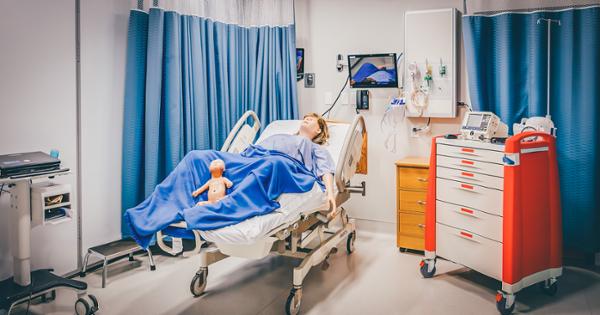
High-Fidelity Simulation Labs
ETSU’s high-fidelity simulation labs give students the chance to practice critical thinking skills in realistic, high-risk simulated scenarios in a safe space that resembles real-world clinical settings. Advanced manikins and technology provide the opportunity for students to apply their clinical skills and strengthen teamwork through guided simulations before interacting with patients in real clinical environments. These labs bridge the gap between classroom learning and clinical practice/patient care, building confidence and preparing students to provide safe, effective care from day one.
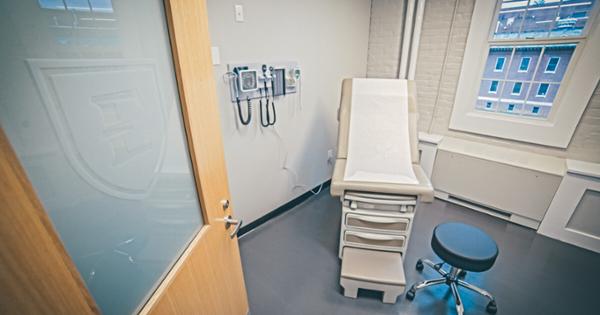
Ambulatory Standardized Patient Suites
In our standardized patient suites, students work with trained "patients"/staff actors who simulate real patient interactions. These sessions build communication skills, professionalism, and clinical confidence through hands-on practice and immediate feedback. With private exam rooms and video review capabilities, students learn how to conduct interviews, perform assessments, and deliver compassionate, patient-centered care, well before they begin their clinical experiences.
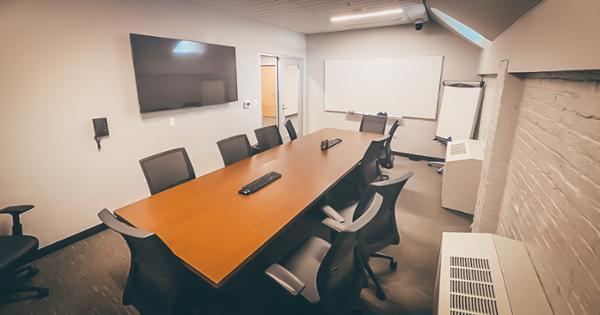
Debriefing Rooms
Debriefing rooms offer a dedicated space for guided reflection after simulations or team-based activities. Students review their performance with faculty, discuss what went well, and explore opportunities for growth. These structured conversations reinforce clinical reasoning, professionalism, and teamwork — helping students better understand their own approach to care. The debriefing process is a cornerstone of experiential learning, preparing students to adapt and improve in real-world clinical settings.
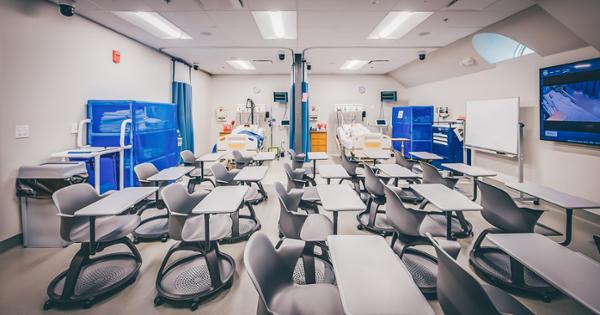
Team-Based Classrooms
ETSU’s team-based classrooms are designed to mimic the collaborative environments students will encounter in today’s healthcare system. Flexible seating, integrated technology, and shared workspaces support group problem-solving, case discussions, and interprofessional learning. These classrooms foster strong communication skills and teach students how to work effectively in team-based care, an essential part of delivering high-quality care in hospitals, clinics, and community settings.
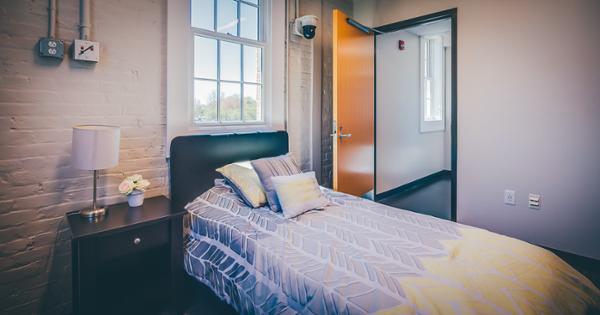
Fully Furnished Patient Suite
A fully furnished, apartment-style simulation suite gives students a realistic environment to practice home-based patient care before entering the field. In this setting, students can build confidence in communication, safety assessments, care planning, and patient education, and better understand how a patient’s home environment can shape health outcomes and recovery.
Center for Interprofessional Collaboration
Housed within Bishop Hall, The Center for Interprofessional Collaboration at ETSU
oversees curriculum development, faculty training, assessment, and student progression
to enhance clinical training for students and foster research collaboration. It ensures
that interprofessional education remains consistent, evidence-based, and embedded
across all five health colleges.
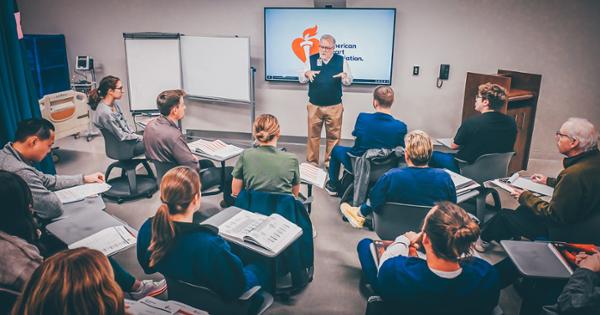
More State-of-the-Art Training Facilities
ETSU/Eastman Valleybrook
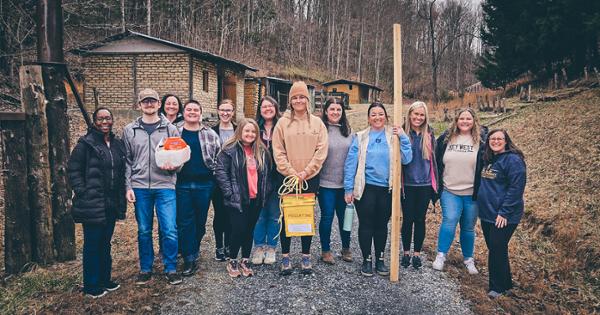
Valleybrook is home to the ETSU College of Public Health’s Project EARTH and Niswonger Village, which gives healthcare students a one-of-a-kind, hands-on environment to practice solving real public health and community health challenges. Through immersive simulations and team-based learning, students build skills that matter in the field – communication, cultural humility, problem-solving with limited resources, and collaboration across disciplines. Valleybrook helps future clinicians see how environment, access, and social factors shape health outcomes, preparing them to serve rural and underserved communities with confidence.
Center for Outpatient Rehabilitation (Nave Center)
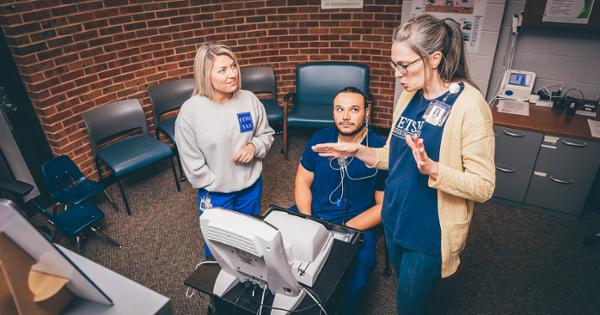
The Nave Center gives health sciences students hands-on experience in an active clinical setting before they graduate. For years, it has served as a key training site for audiology and speech-language pathology students, helping students build confidence through patient interactions, clinical assessments, and interprofessional collaboration. It is also home to an ALS Clinic, giving students a unique opportunity to see how interdisciplinary teams support patients and families managing complex, progressive conditions.
Center for Experiential Learning
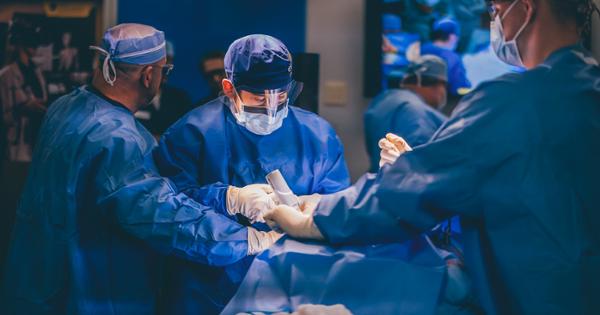
The Center for Experiential Learning (CEL) oversees all of the simulation teams at the Quillen College of Medicine and Stanton-Gerber Hall. The CEL operates the standardized patient program, high-fidelity simulation labs, and the anatomy teaching lab, among other facilities.
ETSU Health Clinics
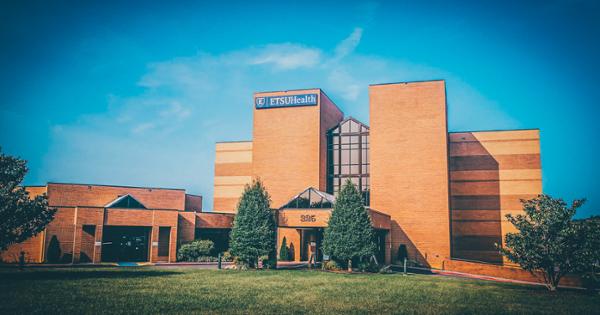
With 50+ ETSU Health clinical sites across Northeast Tennessee, students gain experience in real patient environments long before graduation. Training opportunities include:
- Primary care, pediatrics, internal medicine, OB/GYN
- Audiology & Speech-Language Pathology
- Physical Therapy & Occupational Therapy
- Social Work & Counseling
- Dental Hygiene
- Outpatient rehabilitation
- Specialty clinics serving rural and underserved communities
These clinics serve hundreds of thousands of patients each year — allowing you to make an impact while learning from expert faculty clinicians.
Research Centers and Laboratories
Across ETSU’s Academic Health Sciences Center, simulation isn’t confined to one building—it’s a campus-wide advantage that lets you learn faster, safer, and with more confidence. In Nicks Hall, an Anatomage Table brings anatomy to life in vivid 3D, helping you connect structure to function in real time. In Bishop Hall, a compounding lab strengthens precision and patient safety through hands-on preparation and quality-focused practice. And in Lamb Hall, clinical training spaces—including a public dental hygiene clinic—and anatomy labs immerse you in the routines, teamwork, and decision-making you’ll use every day in patient care.