Caring for Caregivers
Caregivers are people who provide ongoing care and support to someone with health needs, disabilities, or age-related challenges. Formal caregivers, such as nurses, home health aides, or direct support professionals, are paid to provide care in homes, health care settings, or long-term care facilities.1 Informal caregivers are usually unpaid family members, friends, or neighbors who help care for a loved one or someone in their community.1 Caregivers may help with daily tasks like bathing, preparing meals, managing medications, providing transportation, and offering emotional support.2 Many informal caregivers balance caregiving with work, school, raising children, and other responsibilities.2
Caregivers play an important role in helping people stay healthy, safe, and connected to their communities. They support children, older adults, and people living with chronic conditions or disabilities. Their efforts can help people remain in their homes and stay independent while maintaining a good quality of life.3
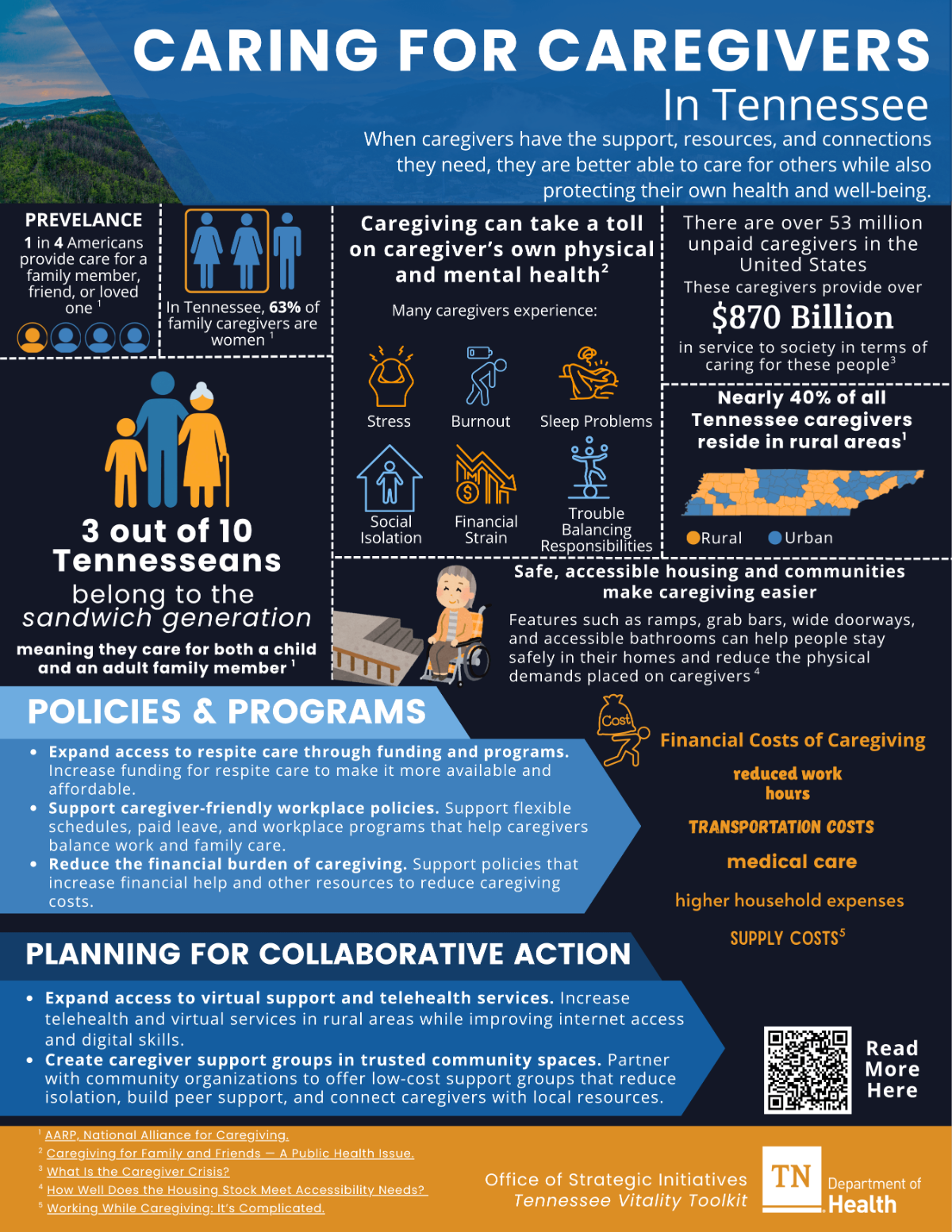
While caregiving provides many benefits for families and communities, it can take a toll on a caregiver’s own physical and mental health. Many caregivers experience stress, burnout, sleep disturbance, social isolation, financial strain, and challenges balancing caregiving with other responsibilities.3 Limited access to respite care, health services, transportation, and community support can make these challenges even greater.
Supporting caregivers is an important part of building healthy and resilient communities. When caregivers have the support, resources, and connections they need, they are better able to care for others while also protecting their own health and well-being.
-
WHY IS CARING FOR CAREGIVERS IMPORTANT FOR COMMUNITY WELL-BEING?
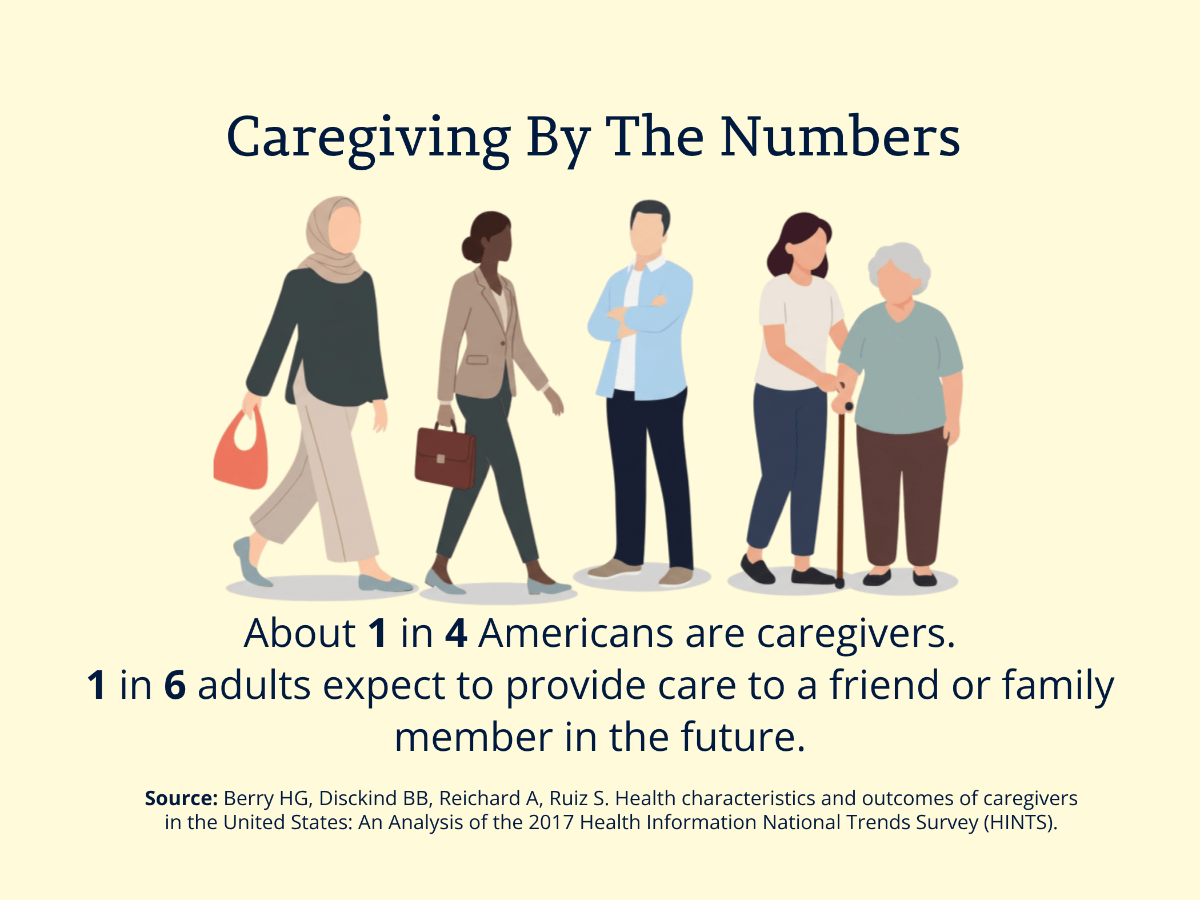
Caregiving is common in the United States, with about one in four Americans providing care for a family member, friend, or loved one.4 Many caregivers balance caregiving with work, school, parenting, and other daily responsibilities while spending an average of 24 hours each week providing care.1 As the population ages and more people live with chronic conditions or disabilities, the need for caregivers is expected to continue growing. In fact, one in six adults who are not currently caregivers expect to become caregivers in the future.1
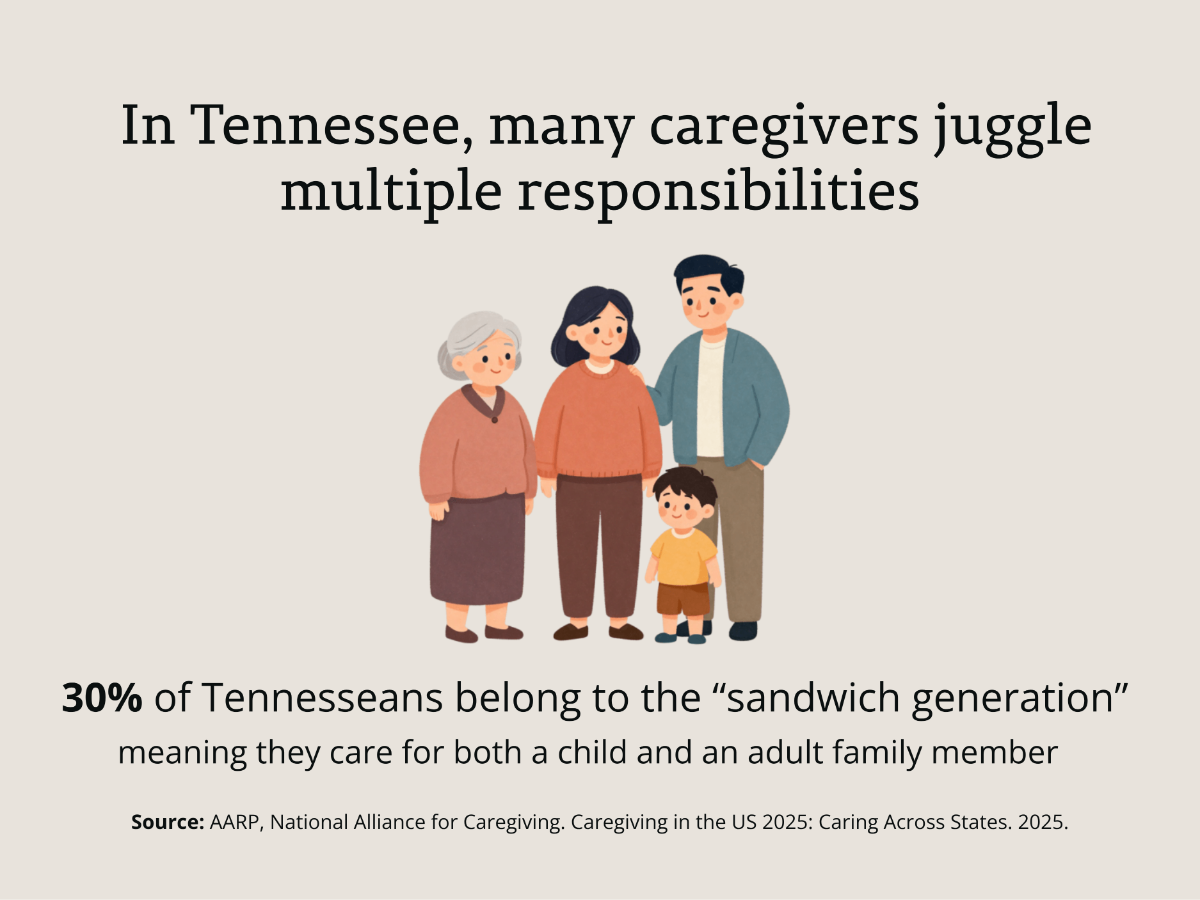
Family caregivers provide much of the long-term care that helps Tennesseans remain at home and in their communities.5 More than 1.5 million Tennessee adults care for someone with complex medical needs or disabilities. Nearly six in 10 family caregivers (59%) are employed, more than one-third (37%) provide at least 40 hours of care each week or constant support, and three in ten (30%) belong to the “sandwich generation,” meaning they care for both a child and an adult family member.6
Caregiving can be long-term and medically complex. In Tennessee, 42% of caregivers have provided care for three years or longer, and 62% help with medical or nursing tasks.6
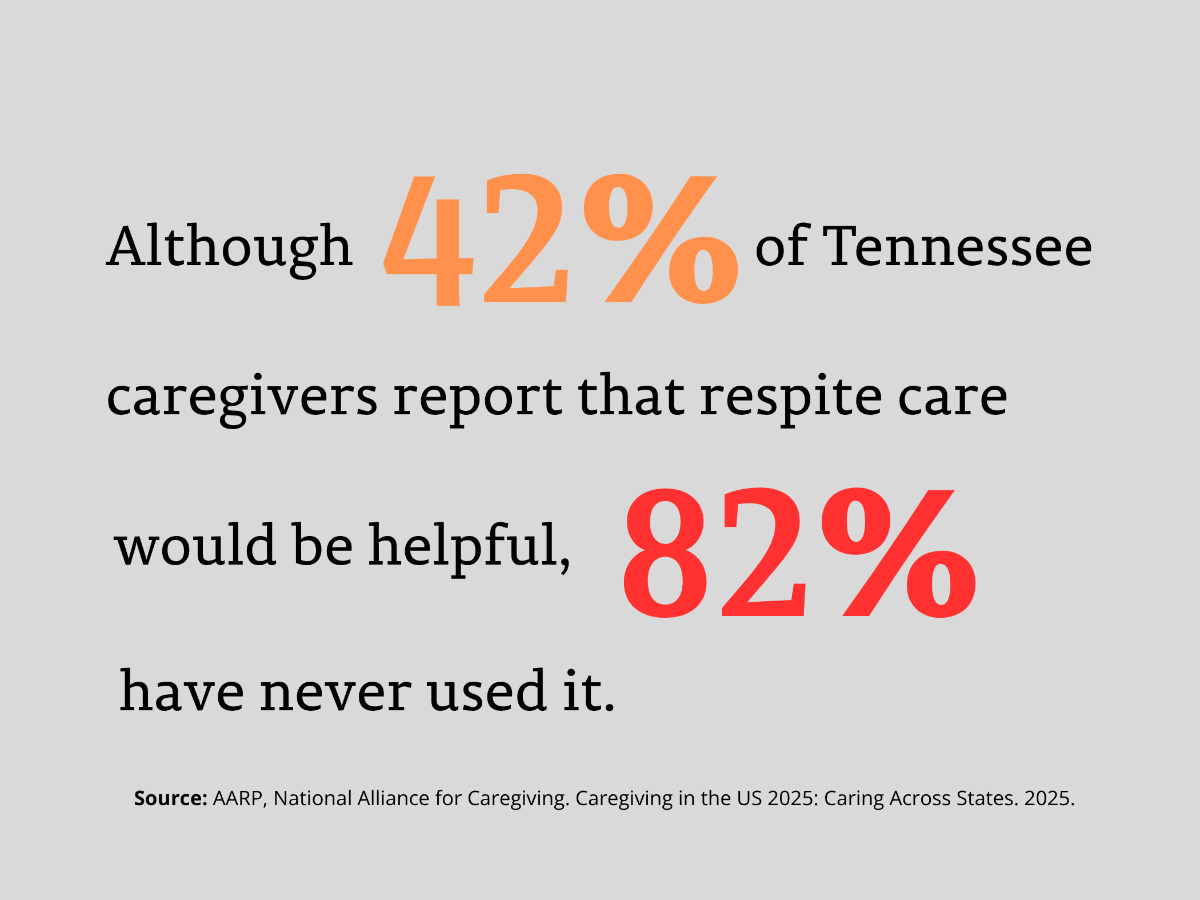
Respite care can give caregivers time to rest, attend appointments, work, or care for their own needs.1,5 While 42% of Tennessee caregivers say respite care would help, 86% have never used it.6
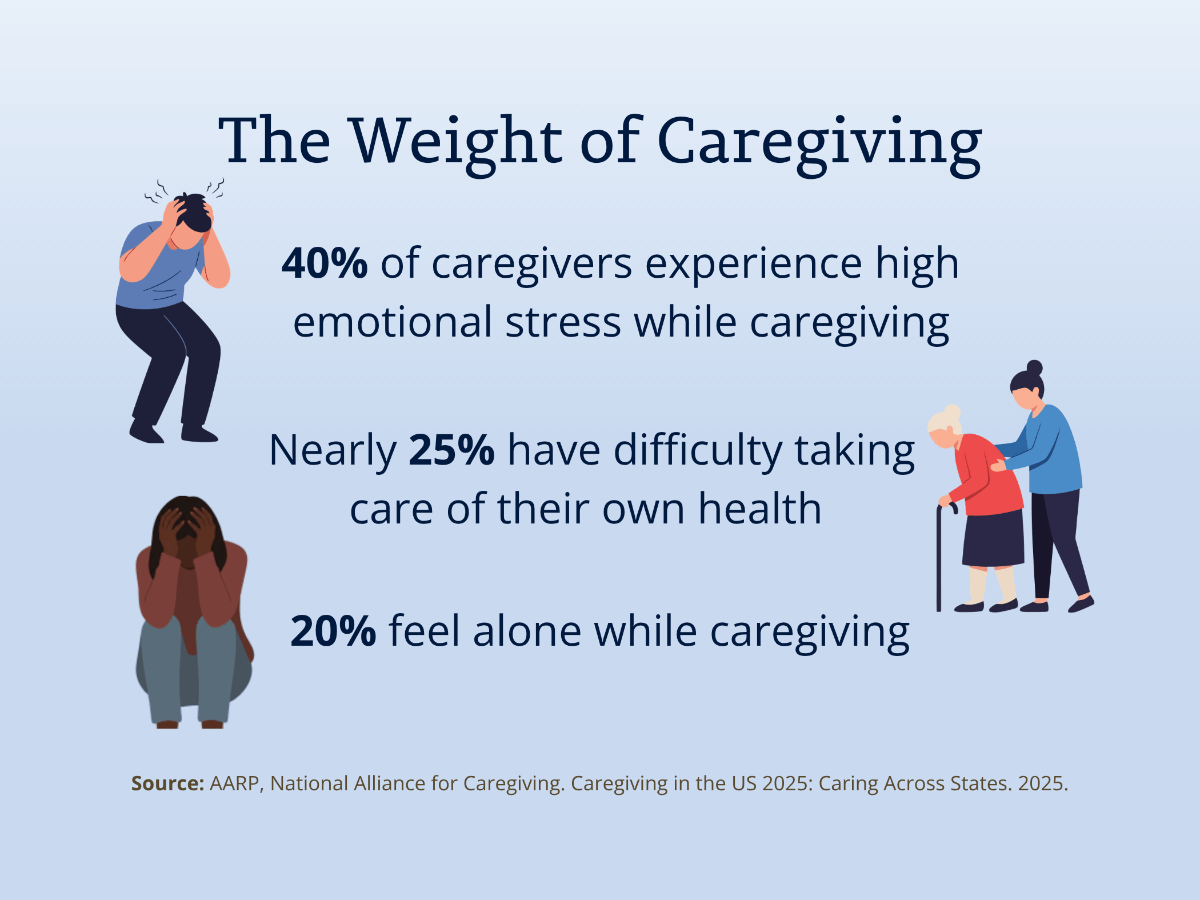
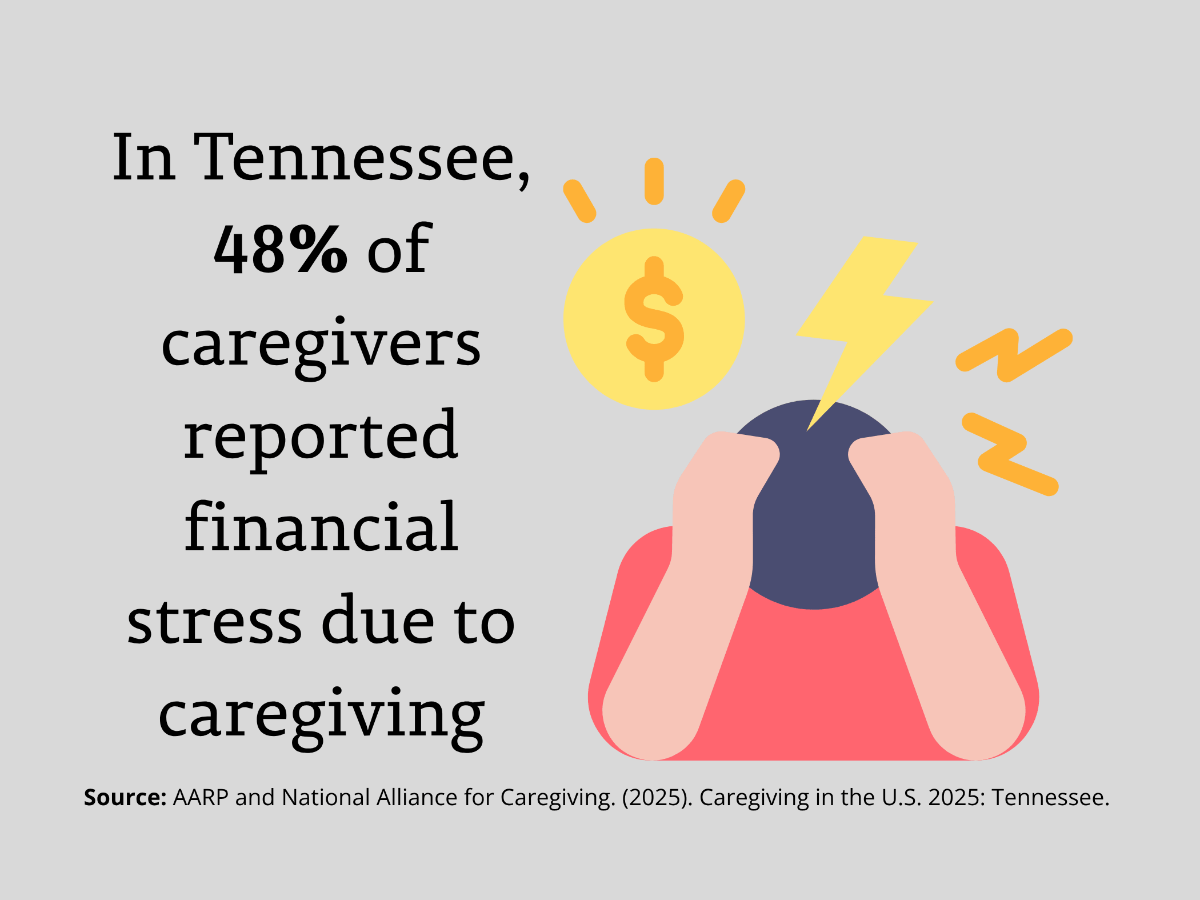
Without enough support, caregiving can affect a caregiver’s physical health, mental health, relationships, and financial stability. One in four family caregivers report experiencing poor physical health for seven or more days each month. Four in 10 caregivers (39%) report high emotional stress, nearly one in four (23%) struggle to care for their own health needs, and two in 10 (22%) report feeling alone while caregiving.6 Caregiving can also create financial strain. Nearly half of Tennessee caregivers (48%) report negative financial impacts, including increased debt, reduced savings, or difficulty meeting expenses.6
While caregiving can bring meaning, connection, and a sense of purpose, it can also lead to long-term stress when caregivers lack the support they need.5 When caregivers experience burnout, poor health, emotional stress, or financial hardship, it can affect the quality and stability of care for the people who depend on them.7,8
Supporting caregivers is important for building healthy and resilient communities. When caregivers have access to respite services, social support, financial resources, transportation, and health care, they are better able to care for themselves and continue supporting others.
-
WHAT ARE THE DISPARITIES?
Caregiving looks different across Tennessee. A caregiver’s age, income, job type, location, family responsibilities, and access to health care or community services can affect how much support they need. Understanding these differences helps communities better connect caregivers to practical resources, reduce stress, and support families who want to keep loved ones safely at home.
Caregiver Age
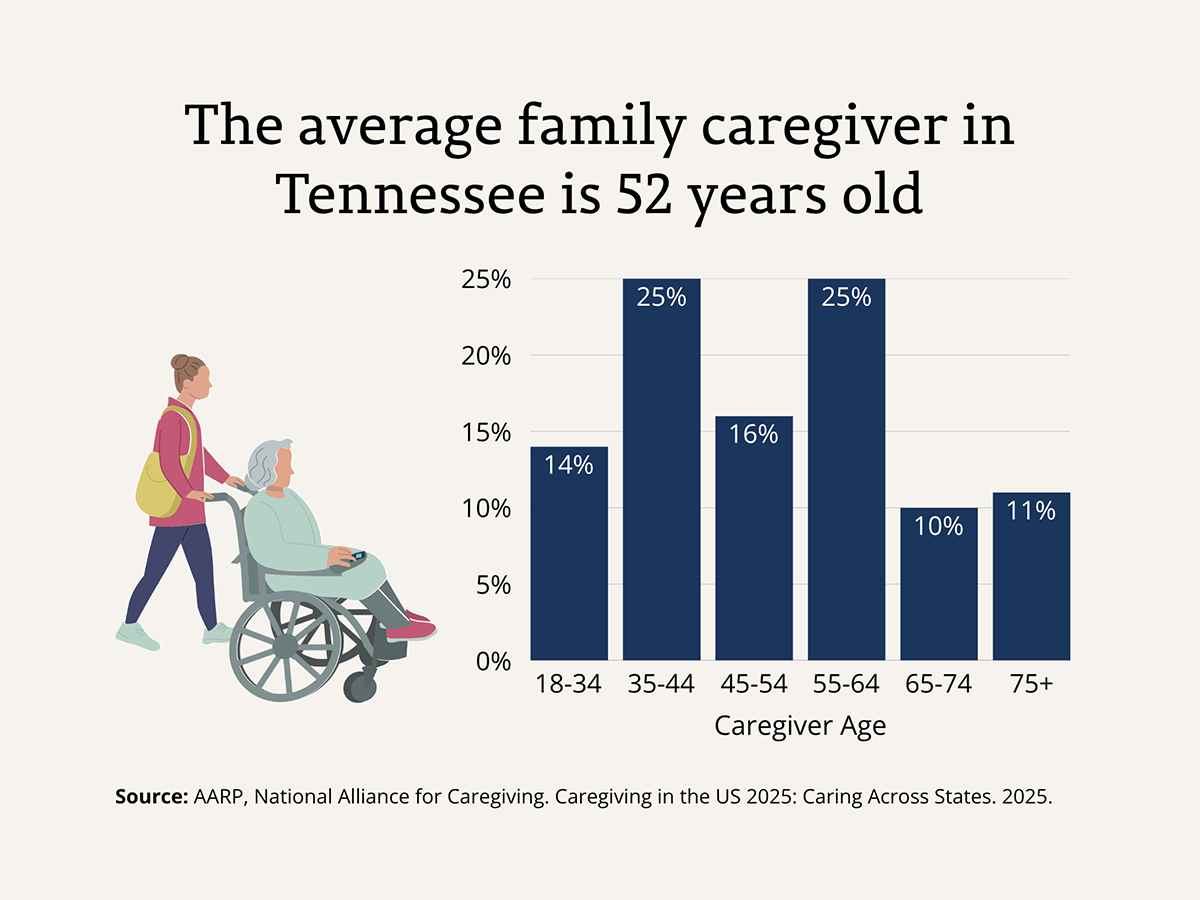
People of all ages act as caregivers, but the challenges they face often change over time.9,10 In Tennessee, the average family caregiver is 52 years old, and about two-thirds (66%) of caregivers are between the ages of 35 and 64 years.6 One national study estimated that nearly one in 11 youth and about one in eight young adults provide care for a family member or loved one.11
Many younger caregivers take on caregiving responsibilities while they are still growing, learning, and preparing for their future. Compared to their peers, younger caregivers are less likely to be enrolled in school and may spend less time on educational activities when they are enrolled.11 Studies also show that younger caregivers are more likely to experience stress, anxiety, and other mental health challenges, especially when caring for children with disabilities.12,13 One study found that unemployment was more common among younger caregivers than older ones.14
Older caregivers may face different challenges. Many are managing their own health needs while also caring for someone else. Some older adults may also have difficulty accessing or using technology-based supports, such as telehealth services, online resources, or virtual support groups.15
Education Access & Health Literacy
Caregivers often need to manage medications, schedule appointments, communicate with health care providers, and understand complex medical information. However, not all caregivers have equal access to caregiving training, educational resources, or clear health information. Limited health literacy and low awareness of available services or benefits can make caregiving more stressful and difficult to navigate.16
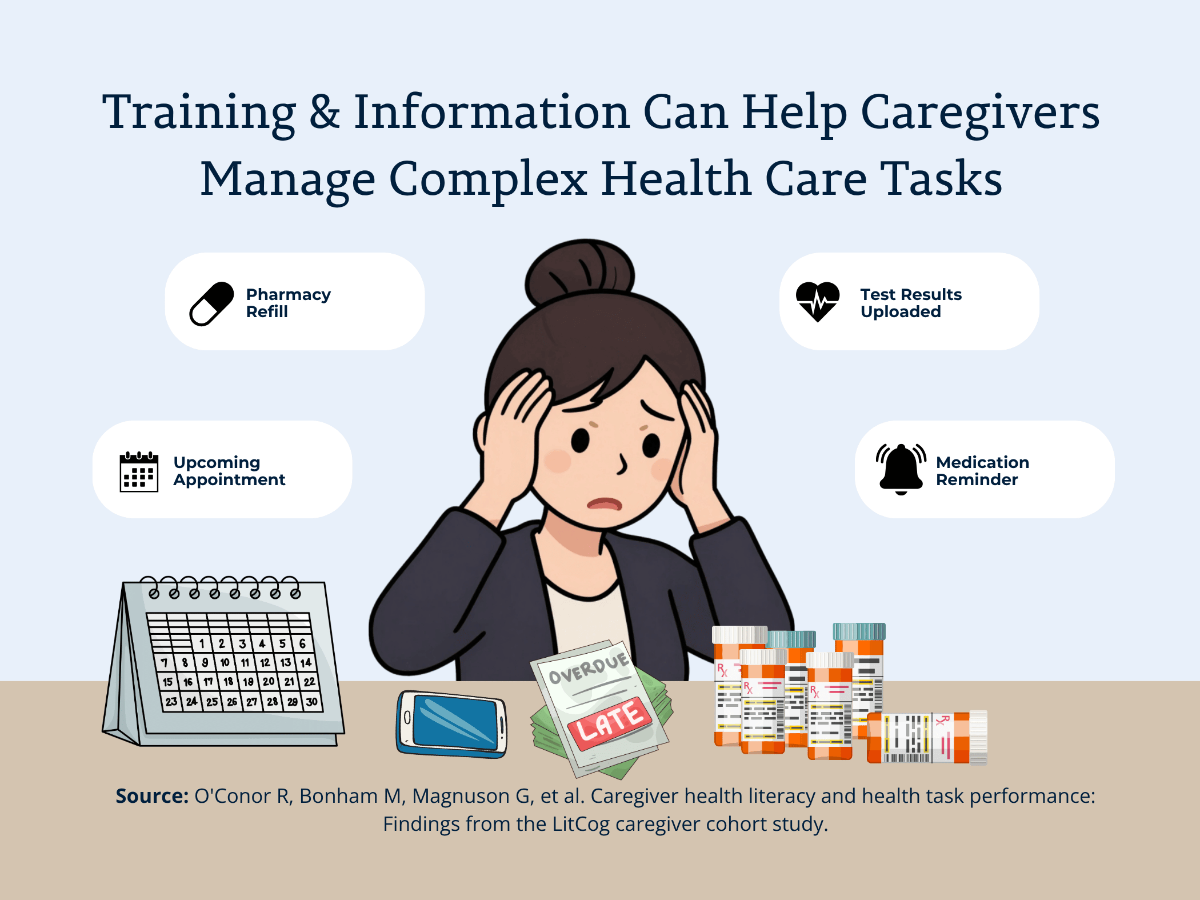
Health literacy and access to caregiving resources play an important role in helping caregivers find, understand, and use available services. One national study of informal caregivers in the United States found that, even among caregivers with broadband internet access, those with higher levels of education were more likely to seek health information for themselves and the people they care for.17 This suggests that caregivers with lower levels of education may face more barriers to finding and understanding health information and caregiving resources.17
Differences in access to educational and support resources can also affect caregiving experiences in families with children. One study found that caregivers with fewer educational resources were less likely to use language-building strategies that support child development, showing how unequal access to education and intervention resources can affect caregiving practices.18
Limited health literacy and access to caregiving resources can also affect caregivers’ own health. During the COVID-19 pandemic, caregivers with lower levels of education were more likely to report poorer physical and mental health than those with higher levels of education.13
Employees
Balancing work and caregiving is a major challenge for many families. In Tennessee, nearly six in 10 family caregivers (59%) are employed while also providing care for a loved one.4 Nationally, most caregivers report at least some difficulty balancing work, caregiving, and other responsibilities.19
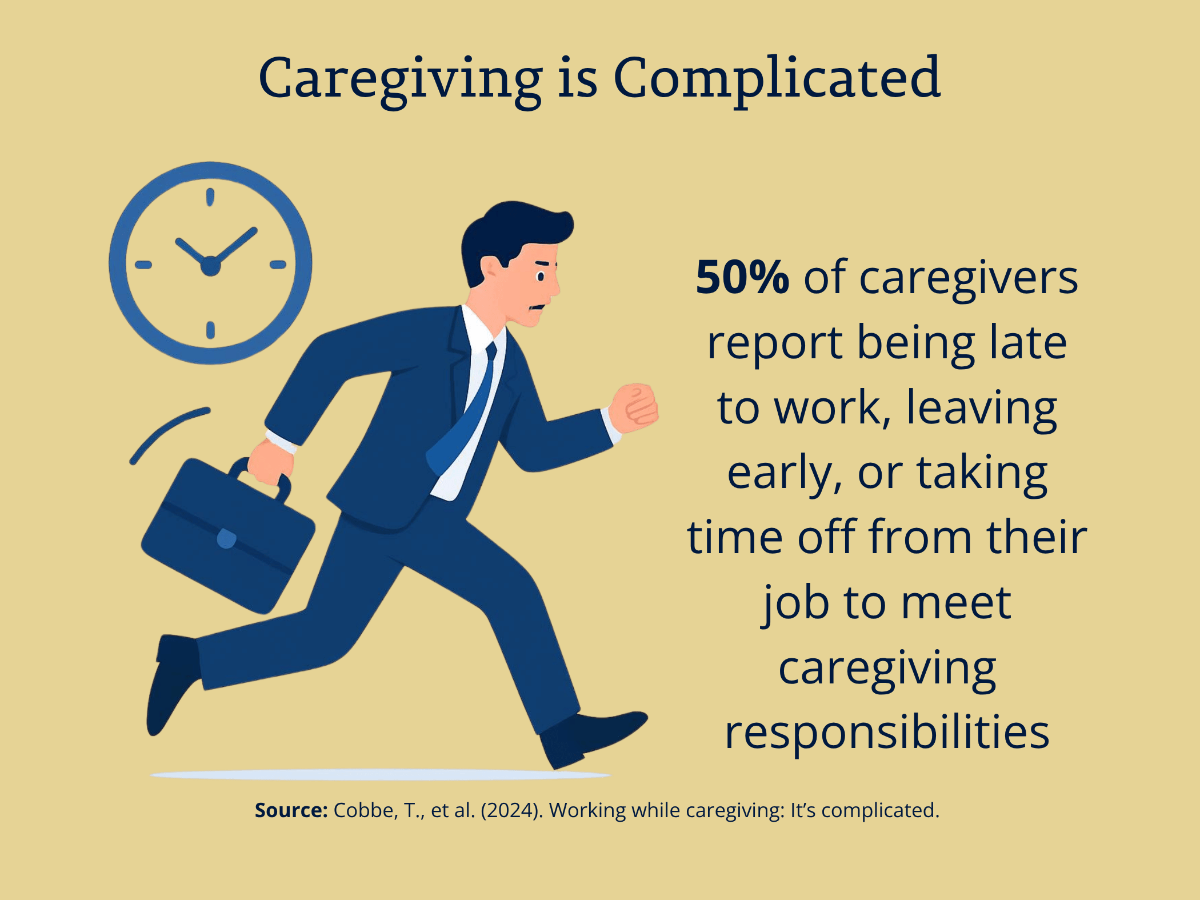
Workplace flexibility and access to benefits can shape how well caregivers manage these demands. Hourly, shift, and part-time workers may have less flexibility, less access to paid leave, or job protections than salaried workers.19 National estimates show that more than half of working family caregivers are paid hourly, while about 40% are salaried employees.20 Caregivers in salaried positions are more likely to have access to workplace supports such as paid leave, flexible schedules, or caregiver assistance benefits.20
Access to support can also vary between full-time and part-time workers.20 Without workplace flexibility or caregiving support, many caregivers may struggle to attend medical appointments, manage emergencies, or take time to rest and care for their own health.4
Income & Financial Stability
Caregiving can create financial pressure through lost wages, reduced work hours, higher household expenses, and out-of-pocket costs for medical care, transportation, or supplies.19 In Tennessee, nearly half (48%) of family caregivers report experiencing financial strain related to caregiving.4 Financial challenges can be even greater for caregivers who lack health insurance. About one in 10 Tennessee family caregivers are uninsured, increasing the risk that caregivers delay care, skip preventive services, or absorb higher out-of-pocket costs while already managing caregiving expenses.4
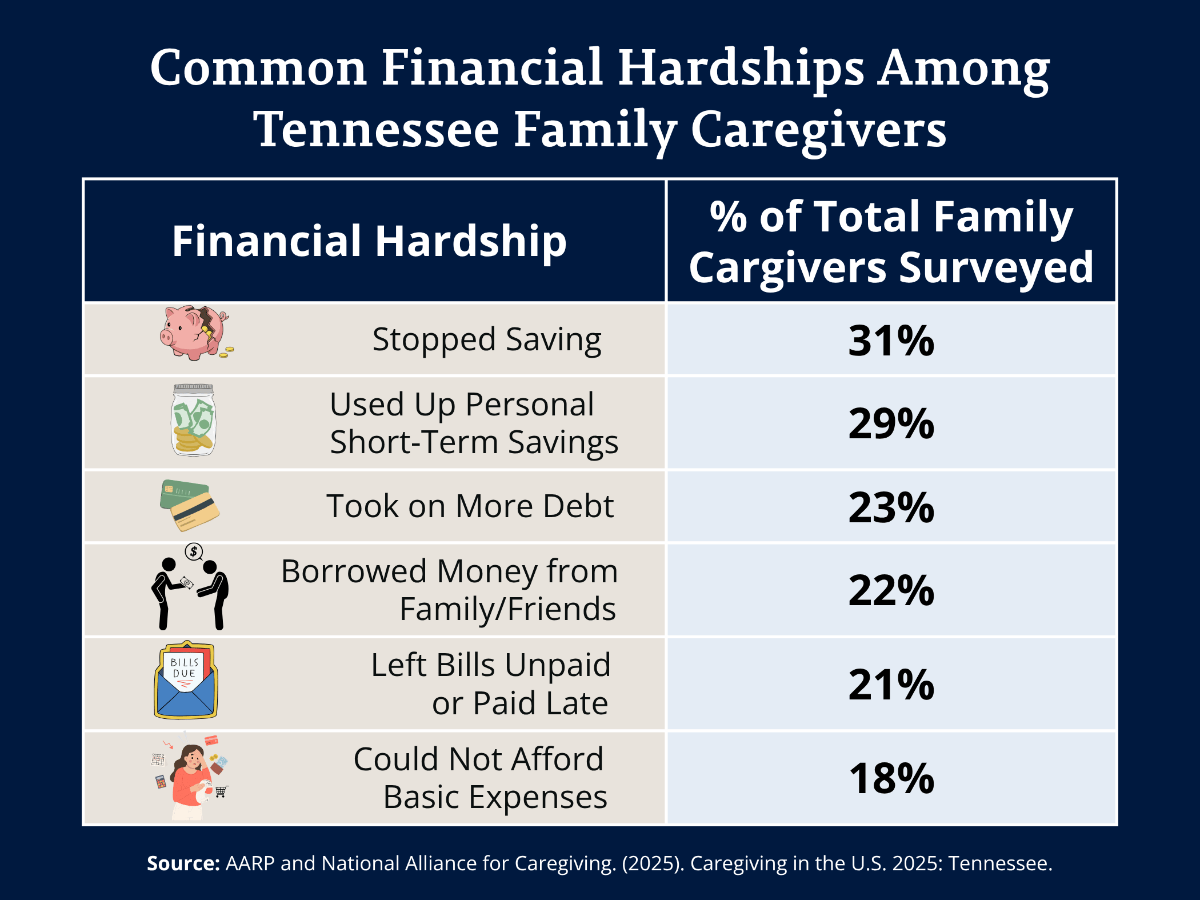
Financial strain can grow as caregiving responsibilities continue. A study of informal caregivers in four Southern states found that caregivers who had been providing care for six months to two years were nearly twice as likely to experience food insecurity than those who had been caregiving for less than six months.21 The same study found that caregivers supporting a spouse or partner were more likely to experience food insecurity than those caring for a parent or a spouse’s parent.21
When caregivers struggle to afford basic needs such as food, housing, transportation, or health care, it can affect both their well-being and their ability to continue providing care. These challenges highlight the importance of connecting caregivers with financial assistance programs, workplace supports, and community resources that can help reduce financial stress.
Gender
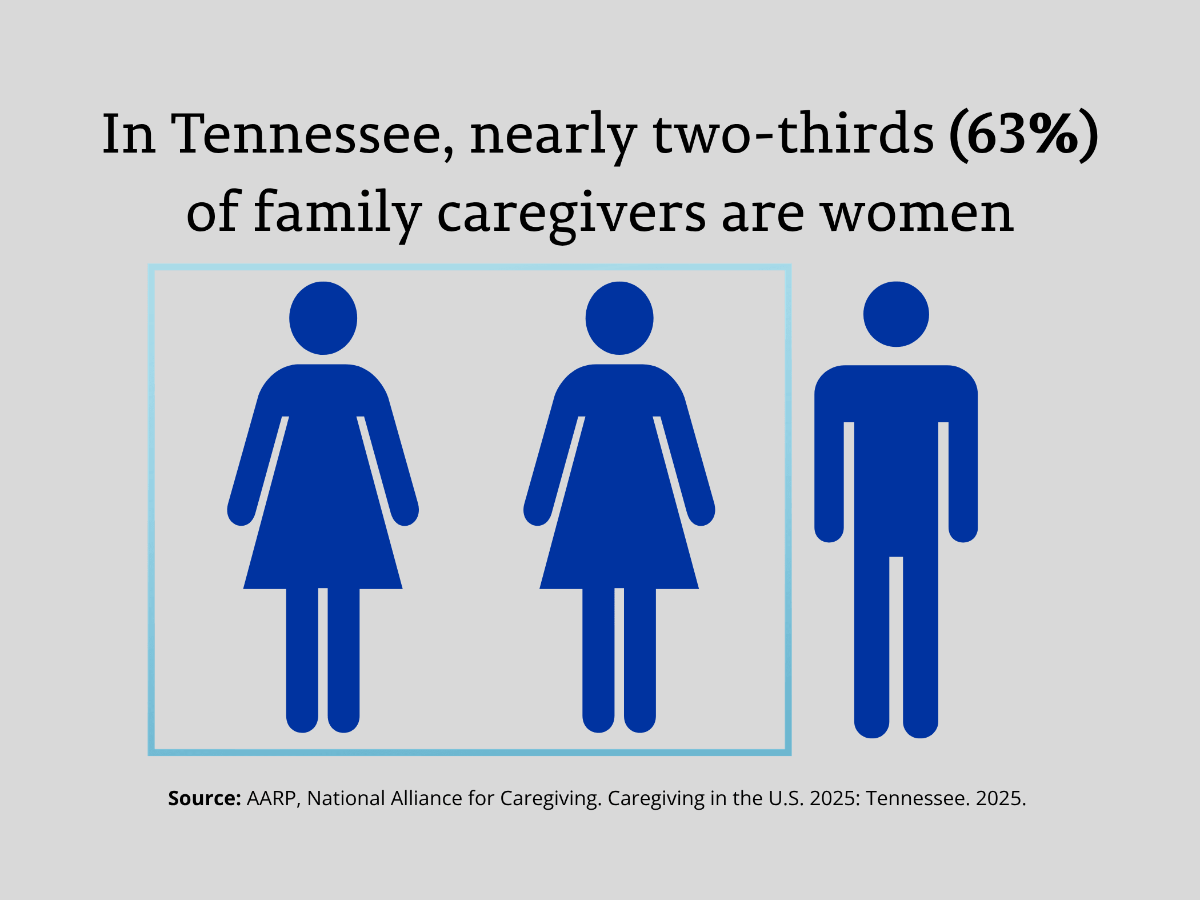
Caregiving responsibilities are not shared equally between men and women. In Tennessee, nearly two-thirds (63%) of family caregivers are women.4 Women often provide more intensive care and may balance caregiving with work, parenting, household responsibilities, limited support, and financial pressure.10,22
A study in Nashville found that women caregivers, particularly immigrant mothers, experienced high levels of stress related to balancing caregiving, work, family responsibilities, limited social support, and financial pressures.23 These findings suggest that women may be more likely to experience the emotional, social, and economic demands that can accompany caregiving.
Men also face unique caregiver challenges. Research suggests that male caregivers may be less likely to seek support services and may have smaller support networks, which can increase feelings of isolation and make it harder to access help when needed.24 Caregiving programs should be welcoming, practical, and easy to access for all caregivers.
Neighborhood & Built Environment
Safe, accessible housing and access to community services can make caregiving easier. Home features such as ramps, grab bars, wide doorways, and accessible bathrooms can help people stay safely in their homes and reduce the physical demands placed on caregivers.25 When these features are missing, caregivers may need to provide more assistance with daily activities.25
Many caregivers face challenges related to housing and community resources. In Tennessee, about one-third (36%) of family caregivers have modified their homes to better meet the needs of the person in their care.4 In addition, three in 10 caregivers (30%) report difficulty accessing affordable local services, such as meal delivery, transportation, or home-based health care.4
Rural Communities
Many caregivers in Tennessee live in rural communities. According to AARP and the National Alliance for Caregiving, 39% of family caregivers in Tennessee live in rural areas, compared to 31% in both suburban and urban areas.4
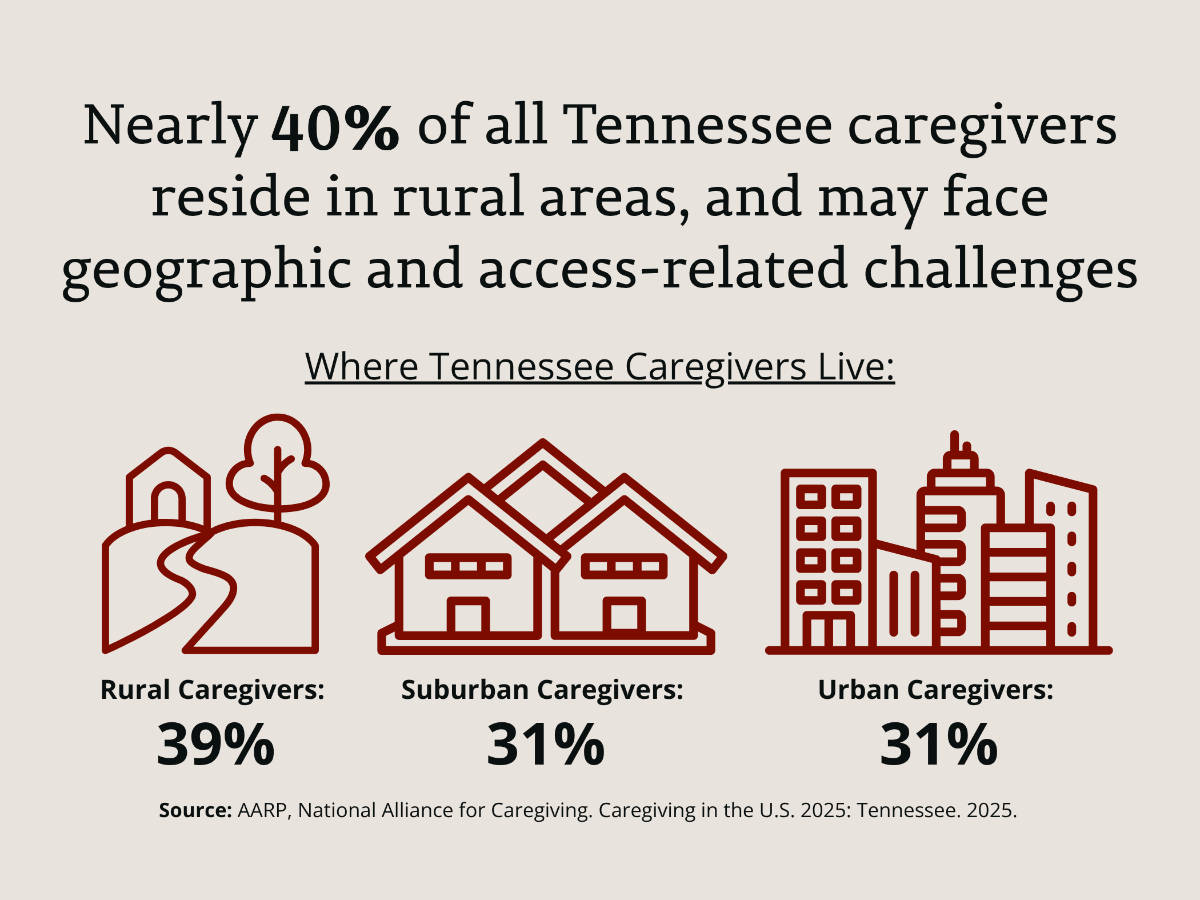
Rural caregivers may have fewer nearby providers, respite options, transportation services, and community supports. Long travel distances and higher transportation costs can make it harder to attend appointments, access help, or care for their own health.25,26
These barriers can affect caregiver well-being. Rural caregivers are more likely than urban caregivers to report poor health, obesity, and multiple chronic conditions, and Appalachian caregivers have reported higher distress and declines in well-being.27,28
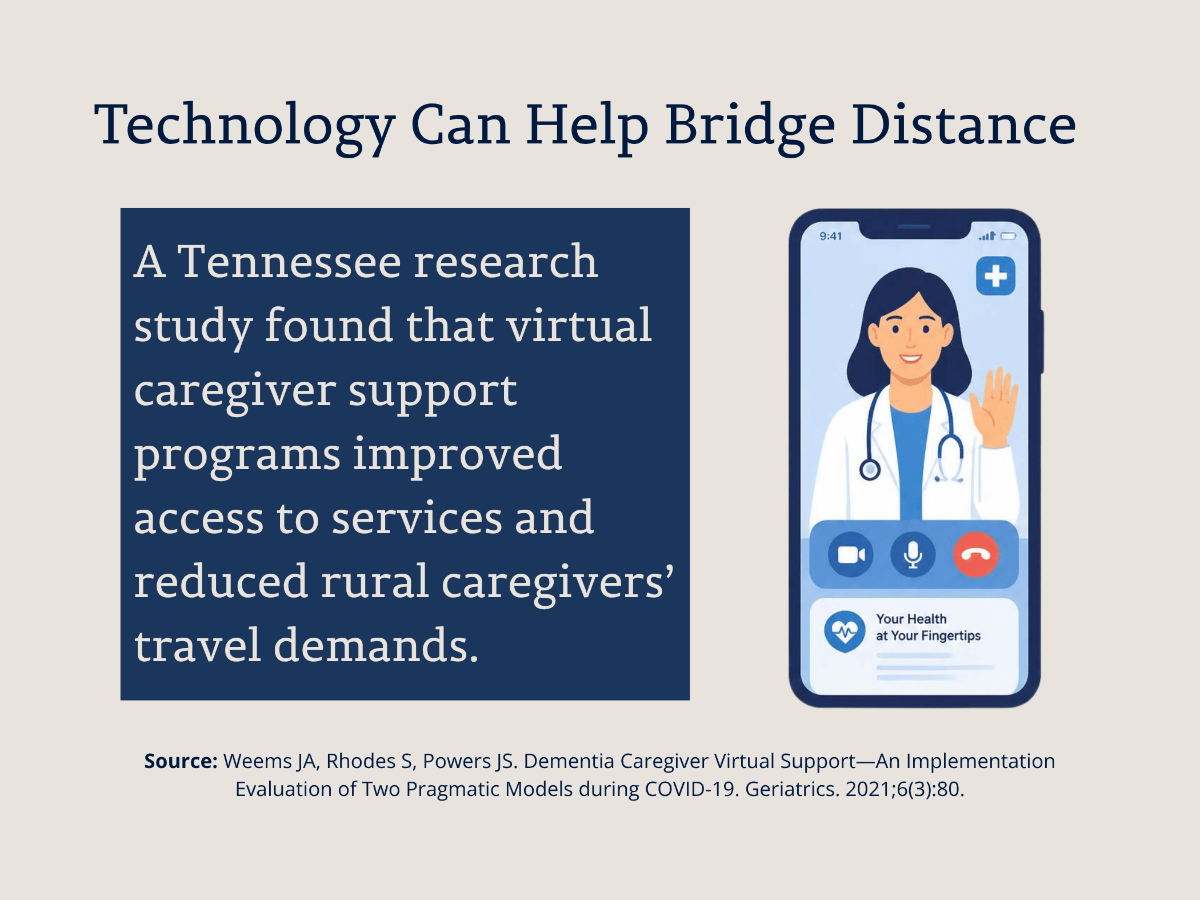
Virtual caregiver supports can reduce travel demands and improve access to services, as shown in a Tennessee study during the COVID-19 pandemic. However, broadband gaps, technology challenges, and connectivity issues can still limit access to telehealth and online support.14,29
-
COMMUNITY-DRIVEN SOLUTIONS
The following evidence-informed strategies can help communities support caregivers, reduce barriers to care, and make local resources easier to find. These actions align with public health, aging, and caregiver support recommendations, including respite, caregiver education, peer support, transportation, workplace flexibility, and caregiver engagement in local planning.
- Create caregiver support groups in trusted community spaces. Partner with libraries, faith-based organizations, adult day centers, senior centers, health clinics, and other community organizations to host regular, low-cost support groups. These spaces can help reduce isolation, encourage peer support, and connect caregivers with local resources.
- Offer respite opportunities through community partnerships. Work with nonprofits, volunteers, and faith-based organizations to provide short-term caregiver relief.
- Develop and share a local caregiver resource guide. Compile clear, easy-to-use information on transportation, meal programs, home health services, support groups, financial assistance, and other local resources. Distribute the guide in print and online through clinics, schools, libraries, and community centers. Communities can also use the TN Community Compass to find additional local resources.
- Increase awareness of caregiver resources and benefits. Use health fairs, community events, social media, and local organizations to help caregivers learn about available services, financial assistance programs, and support networks.
- Train community members to recognize and support caregivers. Equip staff and volunteers in schools, workplaces, health care settings, and community organizations to identify signs of caregiver stress and connect caregivers with available resources.
- Promote caregiver education and training. Offer workshops and training opportunities on caregiving skills, stress management, self-care, navigating health care systems, and available community resources. Education can help caregivers feel more confident and prepared in their caregiving role.
- Expand flexible and inclusive community programs. Offer activities that welcome both caregivers and the people they care for, such as arts programs, recreational opportunities, educational workshops, and intergenerational events. Inclusive programs can help caregivers stay connected to their communities while reducing social isolation.
- Improve transportation options for caregiving needs. Coordinate volunteer driver programs or partner with local transit providers to help caregivers and the people they care for access medical appointments, grocery stores, pharmacies, and other essential services.
- Expand access to virtual support and telehealth services. Support virtual caregiver programs, telehealth appointments, and online training opportunities that can reduce travel burdens and improve access to services, especially in rural communities. Efforts should also address barriers related to broadband access and digital literacy.
- Encourage caregiver-friendly workplace practices. Partner with local employers to promote flexible scheduling, caregiver leave policies, employee assistance programs, and referrals to community resources. Workplace support can help caregivers balance employment and caregiving responsibilities.
- Engage caregivers in local planning and decision-making. Include caregivers in Community Health Councils, advisory boards, and other community groups. Their experiences can help shape programs, services, and policies that better meet local needs.
-
MAKING CHANGE THROUGH POLICIES AND SYSTEMS
Long-term support for caregivers requires more than individual programs or services. Many of the challenges caregivers face are influenced by policies, workplace practices, health care systems, transportation networks, and access to community resources. Making change through policies and systems can help reduce barriers, expand support, and create environments where caregivers are recognized and supported. By working across sectors, communities can build lasting solutions that help caregivers stay healthy while strengthening families and communities.
- Expand access to respite care through funding and programs. Increase investment in respite services through state and local programs to make care more available and affordable for families. Accessible respite care can help reduce caregiver stress, burnout, and social isolation.
- Strengthen coordination across health and social service systems. Encourage partnerships among health care providers, social service agencies, and community organizations to streamline referrals, improve communication, and reduce gaps in support.
- Support caregiver-friendly workplace policies. Promote flexible scheduling, paid family leave, employee assistance programs, and other workplace supports that help caregivers balance employment and caregiving responsibilities.
- Improve access to home- and community-based services. Expand programs that allow people to receive care in their homes or community settings, reducing reliance on institutional care and supporting family caregivers.
- Increase training for health care and service providers. Integrate caregiver needs into professional training so providers can better recognize caregiver stress, include caregivers in care planning, and connect families to resources.
- Invest in broadband and digital access. Expand internet access and digital literacy programs to support telehealth, virtual support groups, remote monitoring, and easier access to information and services, especially in rural communities.
- Use data to guide planning and resource allocation. Collect and use local and state data on caregivers to identify needs, target resources, monitor disparities, and measure progress over time.
- Promote equitable caregiver policies and programs. Develop policies that address the unique needs of caregivers in rural communities and caregivers who experience barriers related to income, race, ethnicity, disability, language, or access to services.
- Identify and support caregivers within health care systems. Encourage health care organizations to routinely identify family caregivers and connect them with education, support services, and community resources. Recognizing caregivers as part of the care team can improve outcomes for both caregivers and those receiving care.
- Reduce the financial burden of caregiving. Support policies that expand access to financial assistance, tax credits, caregiver stipends, transportation assistance, and other programs that help offset the costs of caregiving.
-
COMMUNITY SPOTLIGHT
The Health Council Community of Practice (CoP) connects Tennessee Health Councils through shared learning and discussion around health priorities. To learn more about the Community of Practice, click here.
There are no Community Spotlight features available for this topic at this time. If you have a relevant story, resource, or presentation you would like to share, please email Health.Councils@tn.gov
-
PARTNERS AND RESOURCES
Communities do not need to build caregiver support from scratch. Tennessee has statewide and local resources that can help caregivers find services, respite, transportation, benefits counseling, dementia support, disability resources, and crisis support.
Start Here: Local Navigation and Referrals
- Area Agencies on Aging and Disability (AAADs) Local referrals, caregiver support, benefits counseling, transportation, home- and community-based services.
- Tennessee Disability Pathfinder Statewide disability resource directory, community calendar, educational materials, and helpline.
- TN Community Compass Local resource search tool for food, housing, transportation, health care, and community supports.
- Eldercare Locator National tool that connects older adults and caregivers to local aging services by ZIP code.
- United Way Local navigation and referrals.
Tennessee Resources:
Tennessee Department of Disability and Aging (DDA) Supports older adults, people with disabilities, and their caregivers by connecting them to programs and services that promote independence, health, and community living. Resources include caregiver support, home- and community-based services, transportation assistance, benefits counseling, and information and referrals through a statewide network of partners.
- Area Agencies on Aging and Disability (AAADs) A statewide network of nine regional agencies that helps older adults, adults with disabilities, and caregivers connect to local programs and services. AAADs provide information and referrals, caregiver support, transportation assistance, benefits counseling, home- and community-based services, and other resources that help people remain independent in their communities.
- Family Support Program Provides flexible financial assistance to individuals with severe disabilities and their families to help them remain in their homes and communities. Services may include respite care, personal assistance, transportation, home or vehicle modifications, specialized equipment, counseling, and other supports that are not covered by traditional funding sources.
- National Family Caregiver Support Program (NFCSP) Supports family caregivers who care for older adults and individuals with chronic illnesses or disabilities in their homes. The program may provide counseling, support groups, caregiver training, respite care, and other services.
- Transportation Assistance Helps older adults and caregivers connect with transportation options that support access to health care, grocery stores, pharmacies, and other essential destinations. Resources include a statewide transportation directory, local transportation programs, and MyRide TN, a volunteer driver program that provides rides for older adults.
Tennessee Department of Health (TDH) Provides health information, educational resources, and programs that support caregivers and the people they care for. Resources include healthy aging materials, caregiver guidance, chronic disease programs, and connections to services through local health departments.
- Office of Healthy Aging (OHA) Promotes healthy aging by providing resources, education, and programs that support older adults, caregivers, and communities across Tennessee. Topics include healthy aging, age-friendly communities, Alzheimer's disease and related dementias, caregiver support, and strategies that help people remain healthy and independent as they age.
Tennessee Department of Human Services (TDHS) Provides programs and resources that support caregivers, older adults, and people with disabilities. Services include adult day programs, disability services, and information that helps families access care and support in their communities.
- Adult Day Services Provides structured daytime programs for older adults and adults with disabilities who need supervision, assistance, or social engagement. Adult Day Services can help participants maintain their independence while giving family caregivers time to work, attend appointments, or take a break from caregiving responsibilities.
- Disability Services Provides programs and resources that help Tennesseans with disabilities live, work, and participate in their communities. Services include vocational rehabilitation, support for people who are blind, visually impaired, deaf, deaf-blind, or hard of hearing, and connections to resources that can support individuals with disabilities and their caregivers.
- Resources for Tennessee Caregivers and Advocates This webpage provides information and links to programs that support caregivers, older adults, and people with disabilities across Tennessee. Resources cover topics such as caregiving, aging, disability services, transportation, financial assistance, and community-based supports that can help caregivers navigate available services.
Tennessee Department of Mental Health and Substance Abuse Services (TDMHSAS)
- Tennessee Redline Provides free, confidential referrals for substance use, addiction, and problem gambling services for individuals and families across Tennessee. Caregivers can call or text 800-889-9789 at any time to receive information, support, and connections to treatment and recovery resources for themselves or a loved one.
- 988 Suicide & Crisis Lifeline Provides free, confidential support 24 hours a day for people experiencing emotional distress, mental health challenges, substance use concerns, or thoughts of suicide. Caregivers can call or text 988 for themselves or for a loved one who needs immediate support, guidance, or connections to local crisis resources.
Tennessee Division of TennCare
- CHOICES (TennCare Long-Term Services and Supports Program) Provides long-term services and supports for eligible older adults and adults with physical disabilities who need help with daily activities. Services may include personal care, respite care, adult day services, home-delivered meals, home modifications, and other supports that help individuals remain safely in their homes and communities while reducing demands on family caregivers.
AARP Tennessee Provides tools, guides, and resources to help family caregivers navigate caregiving responsibilities and plan for the future. Caregivers can access information on caregiving tasks, financial and legal planning, self-care, long-term care options, and connections to local support services across Tennessee.
Alzheimer's Association – Tennessee Chapter Provides education, support, and resources for people living with Alzheimer's disease and other dementias, as well as their caregivers and families. Services include support groups, a 24/7 helpline, care planning tools, educational programs, and connections to local resources and community support.
The Arc Tennessee Advocates for people with intellectual and developmental disabilities and their families, while promoting full inclusion and participation in community life. Resources include family support, education, decision-making tools, special education resources, self-advocacy programs, and connections to local chapters that provide services and support across Tennessee.
Disability Rights Tennessee Protects the rights of Tennesseans with disabilities and mental illness through advocacy, education, resource connections, and legal support. Caregivers and families can access information, referrals, self-advocacy tools, and assistance navigating systems and services that support individuals with disabilities.
East Tennessee State University (ETSU)
- Tennessee Multi-Sector Plan for Aging Data Dashboard Version 2 Developed by East Tennessee State University's Center for Rural Health and Research in partnership with the Tennessee Department of Health's Office of Healthy Aging, this interactive dashboard provides county-level data on aging, caregiving, health, economic security, social connection, and community supports across Tennessee. The dashboard helps communities, organizations, and decision-makers identify local needs, monitor trends, and plan programs and services that support older adults and caregivers.
- We Care Developed through an ETSU research initiative, We Care provides resources, tools, and support for caregivers balancing caregiving responsibilities with work, school, and family life. The website offers self-care tools, stress management strategies, educational materials, and connections to community and campus resources designed to support caregiver well-being.
Pat's Game Plan for Caregivers Provides free education, resources, and support for caregivers of people living with Alzheimer's disease or other forms of dementia. Developed through a partnership between the Pat Summitt Foundation and the University of Tennessee Extension, the website offers guidance on caregiving, legal and financial planning, safety, nutrition, self-care, and caregiver well-being.
Tennessee Caregiver Coalition Works to support family caregivers by providing relief, resources, and connections to services across Tennessee. Programs include respite vouchers, caregiver education, information and referrals, and other supports that help caregivers maintain their health and well-being.
Tennessee Disability Pathfinder Connects people with disabilities, family members, caregivers, educators, and professionals to services and supports across Tennessee. Resources include a statewide directory of programs, a community calendar, educational materials, and a free helpline that provides one-on-one assistance in finding and accessing disability-related resources.
-
TO LEARN MORE
KidCentral TN A statewide resource that helps parents, caregivers, and families find information, services, and support for children and youth. The website includes resources on health, education, disabilities, financial assistance, and local programs across Tennessee.
ARCH National Respite Network and Resource Center Provides information, training, and tools to help caregivers find and access respite care services. Resources include the National Respite Locator, caregiver education materials, planning guides, and information on respite programs for caregivers of children, adults, and older adults.
The Caregiver’s Handbook This free guide from the National Institute on Aging is designed for anyone caring for a family member or friend who needs help with everyday tasks. Although it focuses on older adults with serious health conditions or disabilities, the information may also be useful for caregivers supporting people of any age.
Eldercare Locator A nationwide service that connects older adults, caregivers, and families with trusted local resources and support programs. Caregivers can search by ZIP code or speak with a trained specialist to find services such as transportation, home care, meals, benefits assistance, caregiver training, and respite care in their communities.
Family Caregiver Alliance Provides education, tools, and support for family caregivers caring for adults with physical, cognitive, or chronic health conditions. Resources include caregiving guides, self-care information, webinars, support groups, care planning tools, and a directory of state and national caregiver services.
VA Caregiver Support Program Provides education, training, peer support, counseling, respite care, and other resources for family caregivers of veterans. Caregivers can access a national support line, connect with local caregiver support coordinators, and learn about programs that help reduce caregiver stress and support their health and well-being.