Emergency Preparedness for All
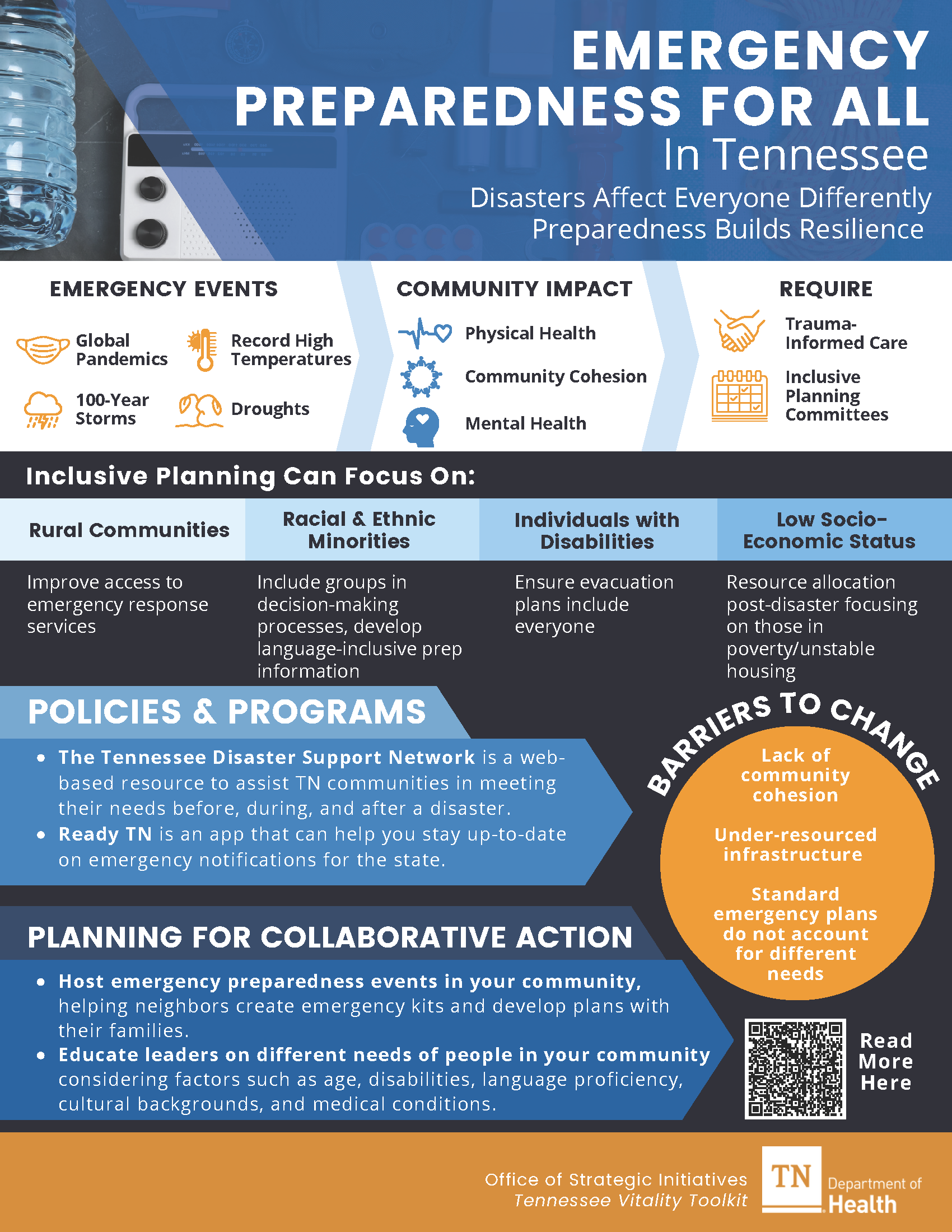
Preparing for emergencies before they happen is one of the best ways to stay safe and recover quickly. This means having a plan, knowing how to evacuate, and keeping essential supplies on hand. Emergencies can take many forms—like severe weather, disease outbreaks, or even terrorist attacks—and each community may face different challenges.
In Tennessee, the landscape itself shapes how emergencies unfold. From the Appalachian Mountains to the Mississippi Delta, each region faces unique risks. In recent years, tornadoes, flooding, drought, extreme heat, and winter storms have all threatened lives, homes, and farmland.1 The COVID-19 pandemic also showed how deeply emergencies can affect health, schools, businesses, and daily life.
People do not experience emergencies in the same way. Communities that already face challenges—such as lower income, disability, or older age—are often hit harder.2 That is why preparedness efforts must be tailored to local needs. For example, people’s understanding of tornado risks may differ by county, so local leaders and media play an important role in sharing accurate information.3
When households and communities understand the dangers most likely in their area, they are more likely to be ready.4 Inclusive planning also means addressing physical and mental health needs, since stress often rises during a crisis. Programs should be designed with different groups in mind, like children, older adults, and people with physical disabilities, so that no one is left behind.5 Resource allocations should support all community members, ensuring everyone's well-being during emergencies.
Finally, building resilience requires teamwork. Communities benefit from regular assessments of their strengths and weaknesses, which help leaders guide resources and strengthen recovery.6,7 Cross-sector collaboration is also key, including the “One Health” approach that recognizes the connection between people, animals, and the environment.8 Strong recovery depends on both individuals and communities preparing and working together.9
-
Why is Emergency Preparedness for All Important for Community Well-Being?
Emergencies can cause serious problems for a community. They can harm physical health, create high stress levels, and damage local economies. They can also make it harder for neighbors to feel connected and supported. Emergencies can disrupt various community services such as utilities, transportation, and health care.10
Having an emergency plan helps communities and families stay safe and recover faster. An emergency plan is a guide that helps people know what to do before, during, and after a disaster.11 Communities often have emergency plans created by local leaders and organizations to protect everyone—these plans cover things like warning systems, shelters, and how help will be provided.11 Families also need their own emergency plans that include where to meet, how to contact each other, and what supplies to have ready. 12
Physical Health
People have many different health needs during an emergency. Babies, children, older adults, and people with disabilities may all need special care and support. Inclusive planning ensures that medical supplies, safe shelters, and transportation are available for everyone.
Mental Health, Stress, and Trauma
Emergencies can increase mental health challenges.9 They can cause stress and trauma that lasts long after the event is over.
Good emergency planning should include:- Offering tools to help people manage stress
- Providing easy-to-access mental health services during emergencies
- Sharing mental health information in different languages and formats
- Using trauma-informed care and resources to help people heal and recover
Roles Communities Play in Emergency Preparedness
Working with community leaders can help identify special needs that data alone might miss. Emergency response should include honest conversations with communities, not just numbers about social vulnerability.13 Using real-time local data alongside public health systems can also make responses to disease outbreaks more effective.14 When communities are involved and trust emergency managers, people are more likely to prepare and respond well during a crisis.15
-
What are the Disparities?
Inclusive planning is a necessity for maintaining community health and well-being. It ensures that no one is left out and that everyone understands their role in helping one another. When a community plans for all its members, it is better prepared to handle challenges and recover more quickly after a disaster.
Children
Children are especially vulnerable during emergencies. Stressful conditions—like family financial problems, emotional struggles, or conflict at home—can make children more likely to face mental health challenges during disasters or outbreaks.16,17 They may also be more likely to catch illnesses spread by hand-to-mouth contact during outbreaks.18 Children with health needs, such as asthma, may have trouble getting the care they need when weather-related disasters disrupt health services.19
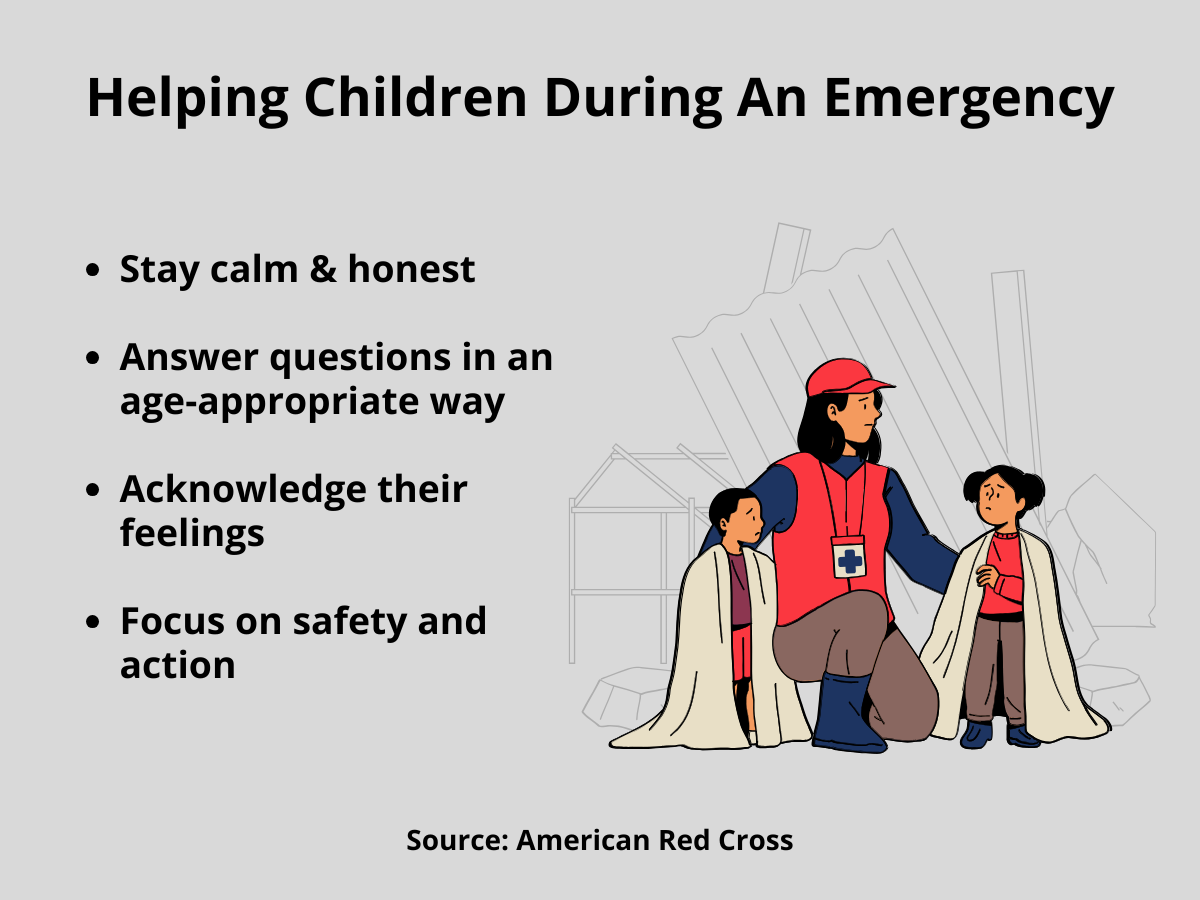
Emergencies can feel especially scary to children because they rely on adults to protect them, explain what is happening, and comfort them. They may not understand the danger or know how to respond. During emergencies, it is important that adults explain to children what is going on in an age-appropriate way to help calm their fears. Stress, fear, and trauma can affect children’s emotional health long after the emergency is over.20
Schools, childcare centers, and families need clear emergency plans to protect children and reunite them with their caregivers quickly. Disaster plans should also include support for breastfeeding mothers to ensure infants get the care and nutrition they need.21
People with Disabilities
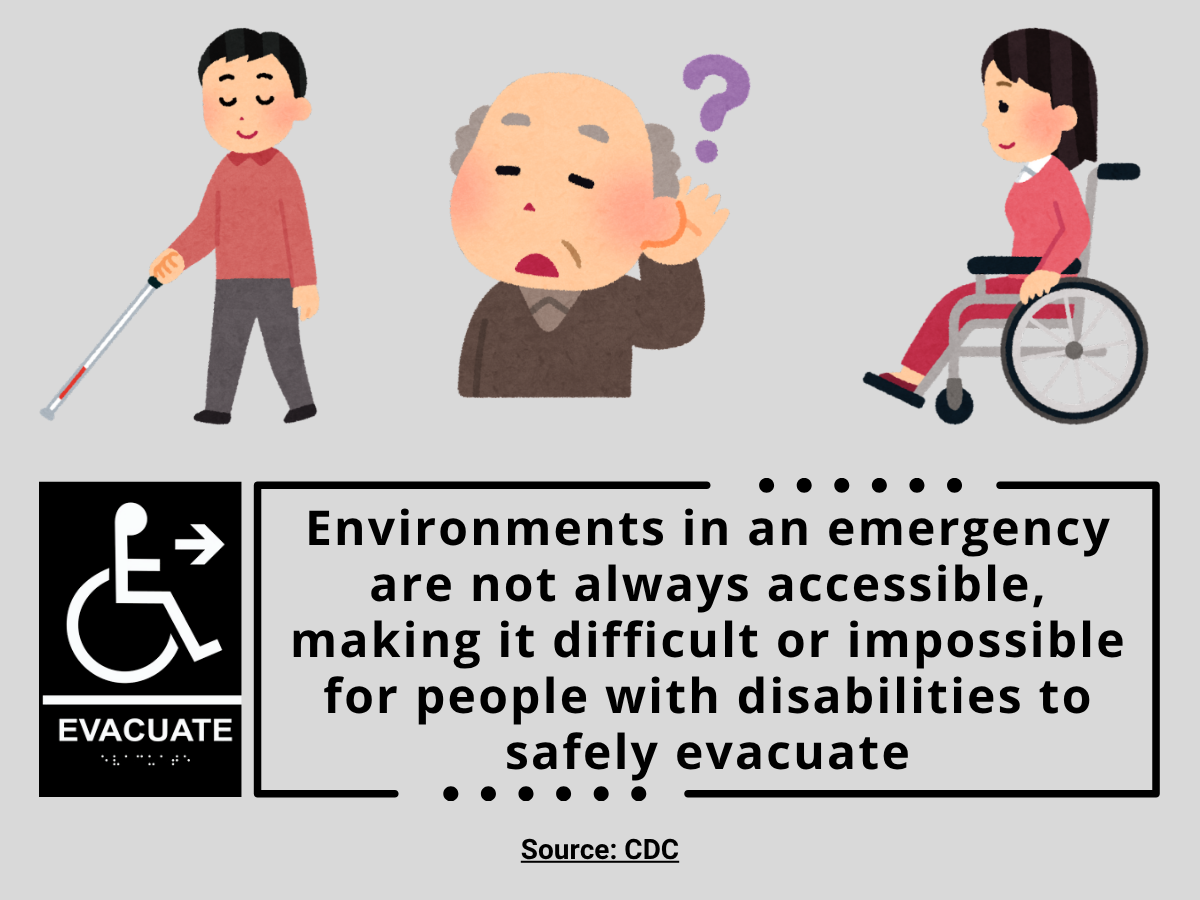
Disabilities can make it harder for individuals to evacuate quickly, get information, or access medical care during an emergency. For example, someone with limited mobility may need a wheelchair-accessible vehicle. At the same time, people with hearing or vision challenges may need information in an accessible format to understand what is happening. Many people with disabilities also report not having enough clear information about how to prepare for disasters.22
Community-based physical, social, and emotional supports are important for reducing the mental health impacts of disasters.23 Peer support groups and collaborations between local and state health agencies and disability coalitions can help improve disaster planning and response.24 Families and caregivers also play a significant role and should be included in household-level emergency plans.25 Without these supports, people with disabilities may be left behind or unable to get the help they need.
Low Socioeconomic Status
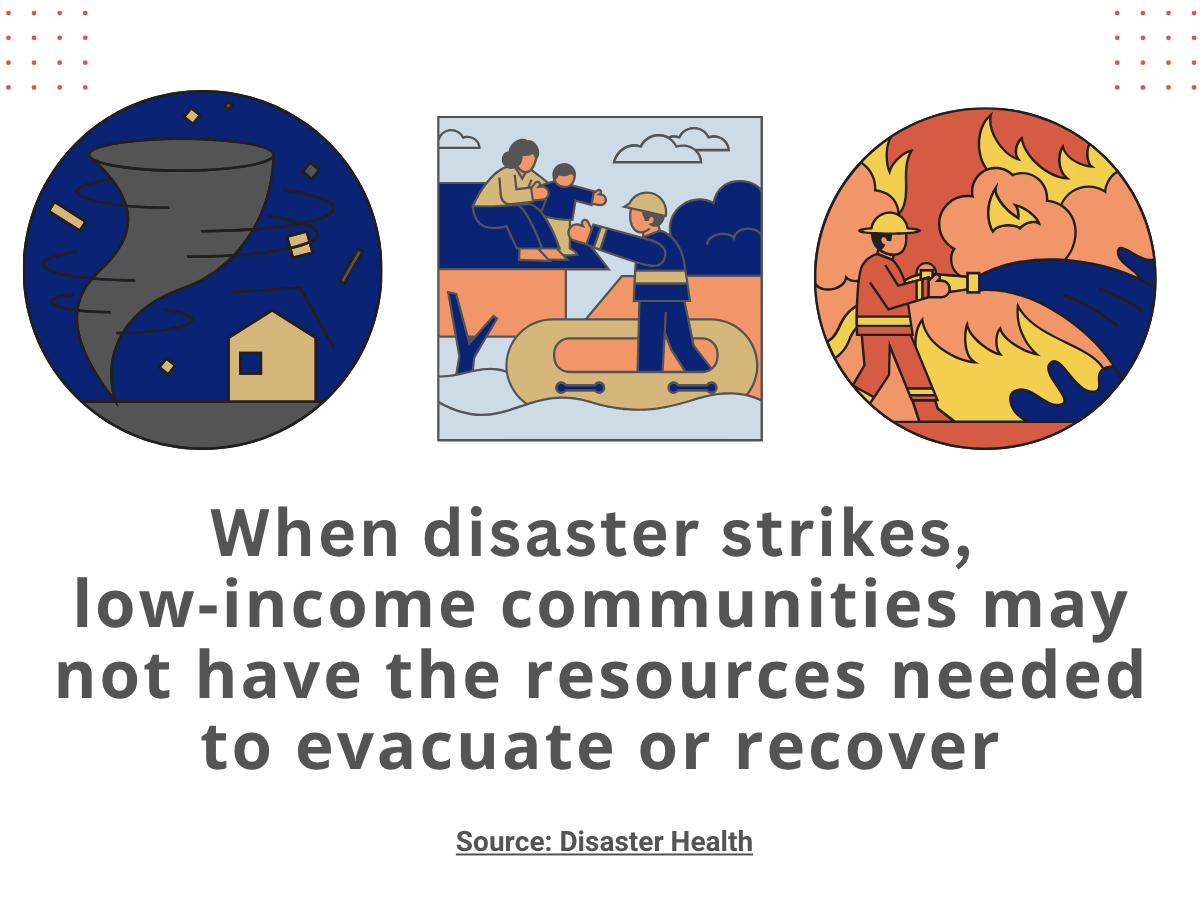
People with low incomes are often less prepared for major disasters and emergencies.26 Many low-income families live in homes that may not be strong enough to withstand severe storms, floods, or earthquakes. They may not be able to afford repairs or safety upgrades.
Without financial savings, it can be challenging to buy emergency supplies. It may also be harder to evacuate safely during a disaster or rebuild afterward. Lower-income communities are also more likely to suffer greater damage and slower recovery compared to higher-income areas.27
In the southeastern U.S., under-resourced areas are especially vulnerable to power outages after disasters. This can be dangerous for people who rely on electricity-dependent medical equipment, such as oxygen machines or refrigerated medicine.28,29
Older Adults
Older adults are one of the fastest-growing groups in Tennessee. By 2040, it is estimated that about one in five Tennesseans will be 65 or older, which significantly impacts emergency planning.30–32 Preparedness often decreases as people age, and factors like poverty can make older adults even more vulnerable.33
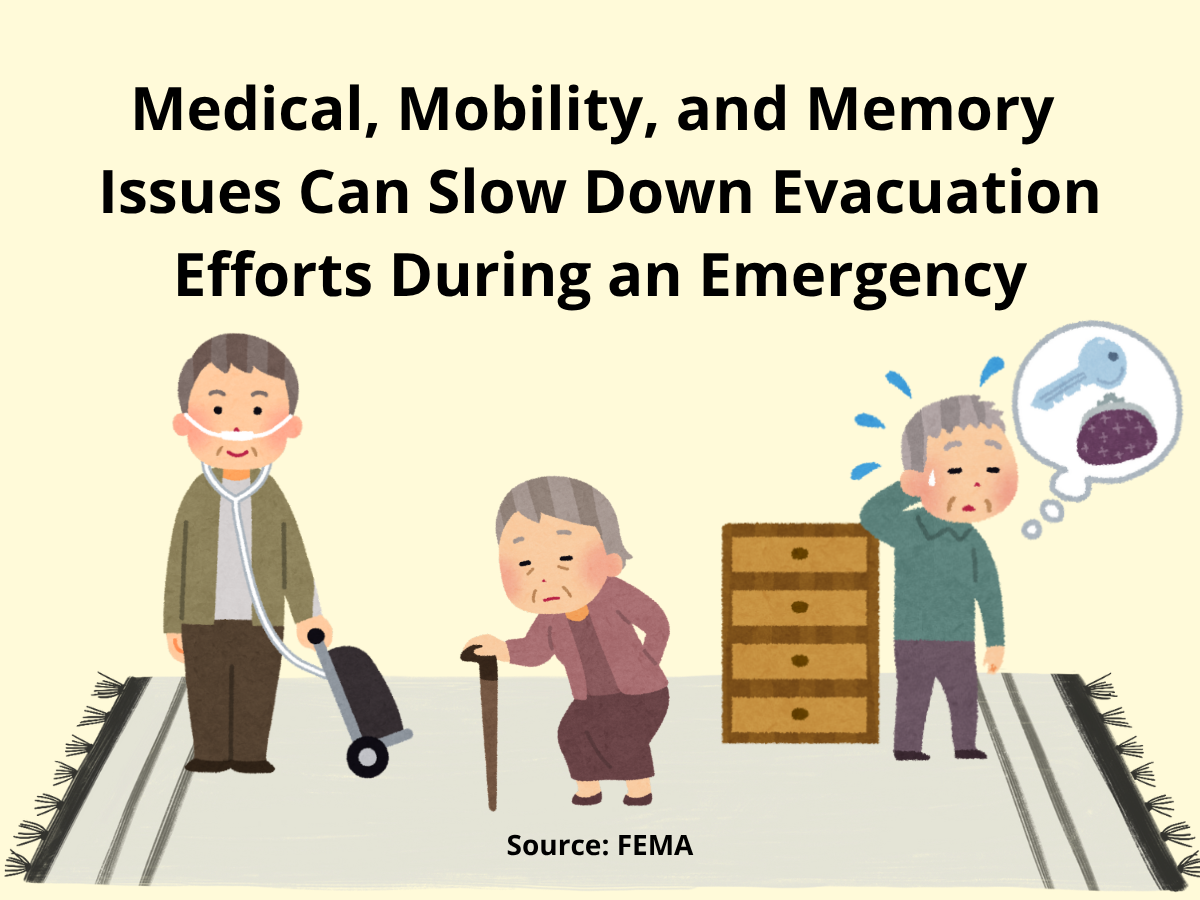
Emergency plans should be designed around the specific needs of older adults, since their challenges may vary based on health, mobility, or community support.5,34 Some may face medical problems, memory loss, or difficulty moving, making evacuating harder. Many rely on medications, oxygen tanks, or other equipment that is hard to transport.34 Older adults who live alone may not have nearby family or neighbors to help.
During pandemics like COVID-19, older adults are more likely to experience social isolation than younger people who are more able to stay connected through technology.35 Home-based primary care providers can help by checking on older patients and teaching them about preparedness.30
The Tennessee State Plan on Aging highlights the importance of collaboration across agencies and organizations to ensure older adults are included in disaster planning and recovery.35 Older adults are also more vulnerable in extreme weather, facing risks like heat illness, hypothermia, and dehydration. Without careful planning, their needs can be overlooked in emergency responses.
Racial and Ethnic Minorities
During emergencies, people from racial and ethnic minority groups often face more health problems. This is because many barriers already existed before the disaster. These barriers can include not having easy access to health care, having lower incomes, or not being included in important planning decisions.36,37
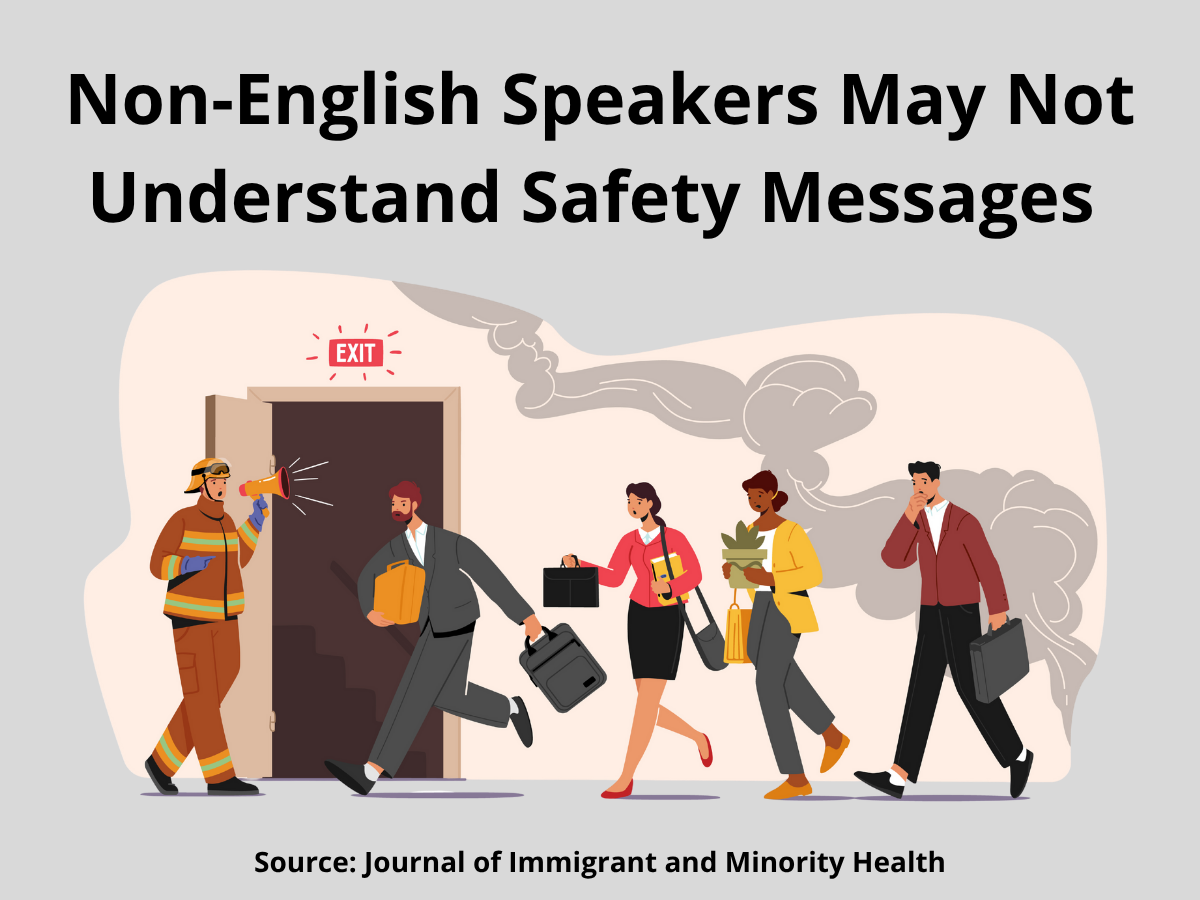
Immigrant and refugee groups may also face extra challenges. They may not always understand safety messages if information is not shared in their language. Some may also worry about legal issues, which can stop them from asking for help.38 Cultural differences can make it harder for standard emergency plans to work well if materials are not translated or different customs are not respected.39
Getting accurate information during emergencies can also be hard. Some people may not know which sources to trust, while others may rely on unreliable information.37,39,40 Missing or delayed warning messages, like during tornadoes, have been linked to negative effects on mental health.41
How well households are prepared for emergencies can depend on age, income, education, language, and whether someone was born inside or outside the U.S.31,36,40–42 These factors should be considered when leaders make disaster plans. Also, because many racial and ethnic minorities are more likely to rely on public transportation, their transportation needs should be included in planning.
Rural Communities
Rural Tennessee communities are home to more than 2.3 million people, and 78 of the state’s 95 counties are considered rural.43,44 People living in these areas may not always have formal disaster plans, and help can be far away when an emergency happens. Service providers in rural areas, like long-term care facilities, may struggle to meet the needs of their residents during disasters because of communication and coordination challenges. This is why it is important to strengthen partnerships between rural providers and federal, state, and local agencies to make sure their needs are heard and addressed.45
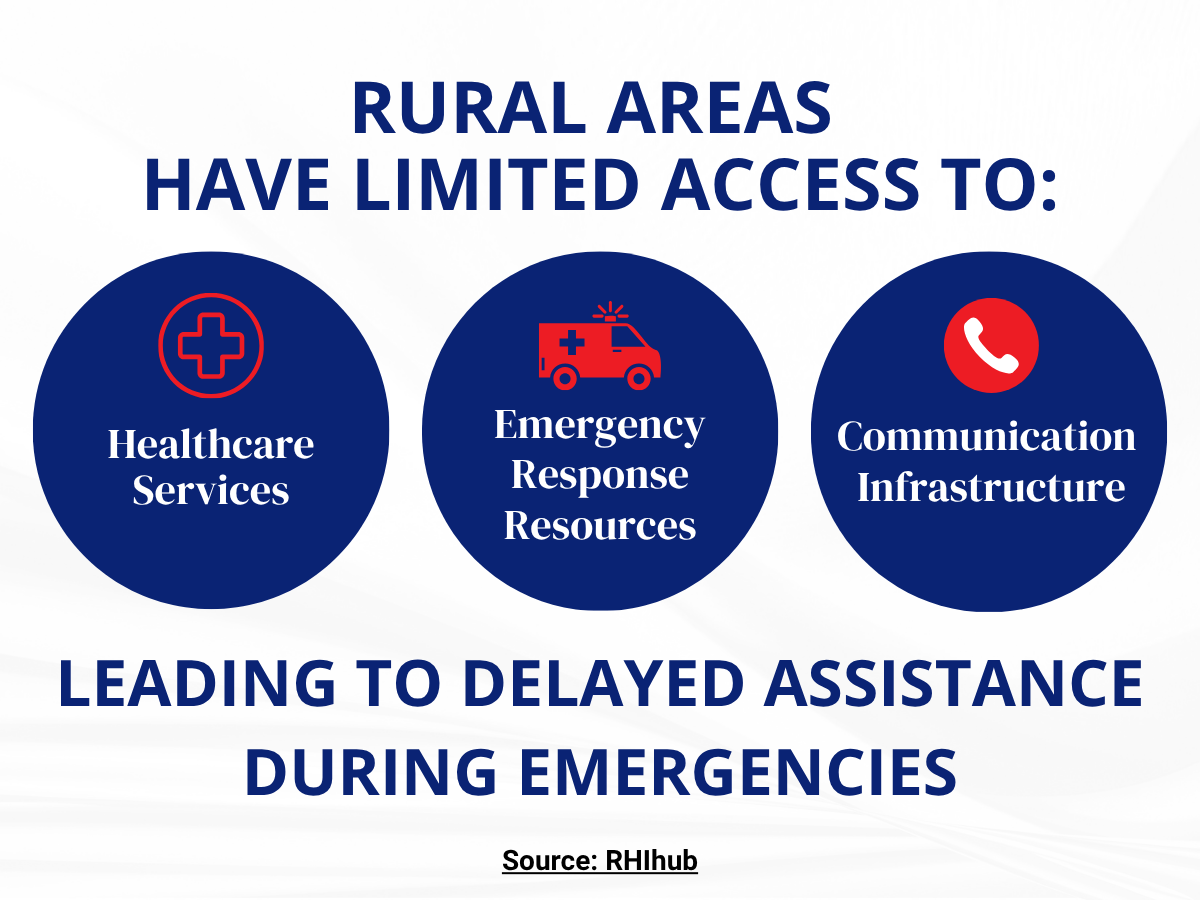
Rural communities face several challenges during emergencies. Ambulances, fire departments, and hospitals are often spread across large distances. Roads and bridges may be limited or in poor condition, slowing down evacuations and the delivery of supplies.46 Rural areas also tend to have fewer hospitals, trained emergency workers, and shelter options, making it harder to respond quickly. Some counties, especially those in the Appalachian Mountains, have more residents who depend on power for home medical devices and face higher disaster risks.28 These factors make careful planning even more important.
Rural populations are also more vulnerable during pandemics. From 2020 to 2021, rural counties in Tennessee had higher COVID-19 death rates than urban counties.47 Limited access to health care, fewer hospitals, and long travel distances make it harder for rural residents to get testing, treatment, and vaccines quickly. Rural communities need special attention in pandemic planning to reduce illness and deaths.Recovery after disasters can be harder in rural areas. Many communities have fewer safe housing options and older infrastructure, like outdated power lines or water systems.48 Rural counties may also receive less Hazard Mitigation Grant Program Assistance (HMGP) than urban counties.49 In addition, standard planning tools sometimes do not fully capture the damage that can happen in rural communities after disasters like floods. This is why it is important to consider the unique needs of rural areas when creating risk assessments.50
Unhoused Individuals
Unhoused people are often affected first during emergencies and tend to face the most severe consequences. Communities have often struggled to meet the needs of those without stable housing during disasters.51
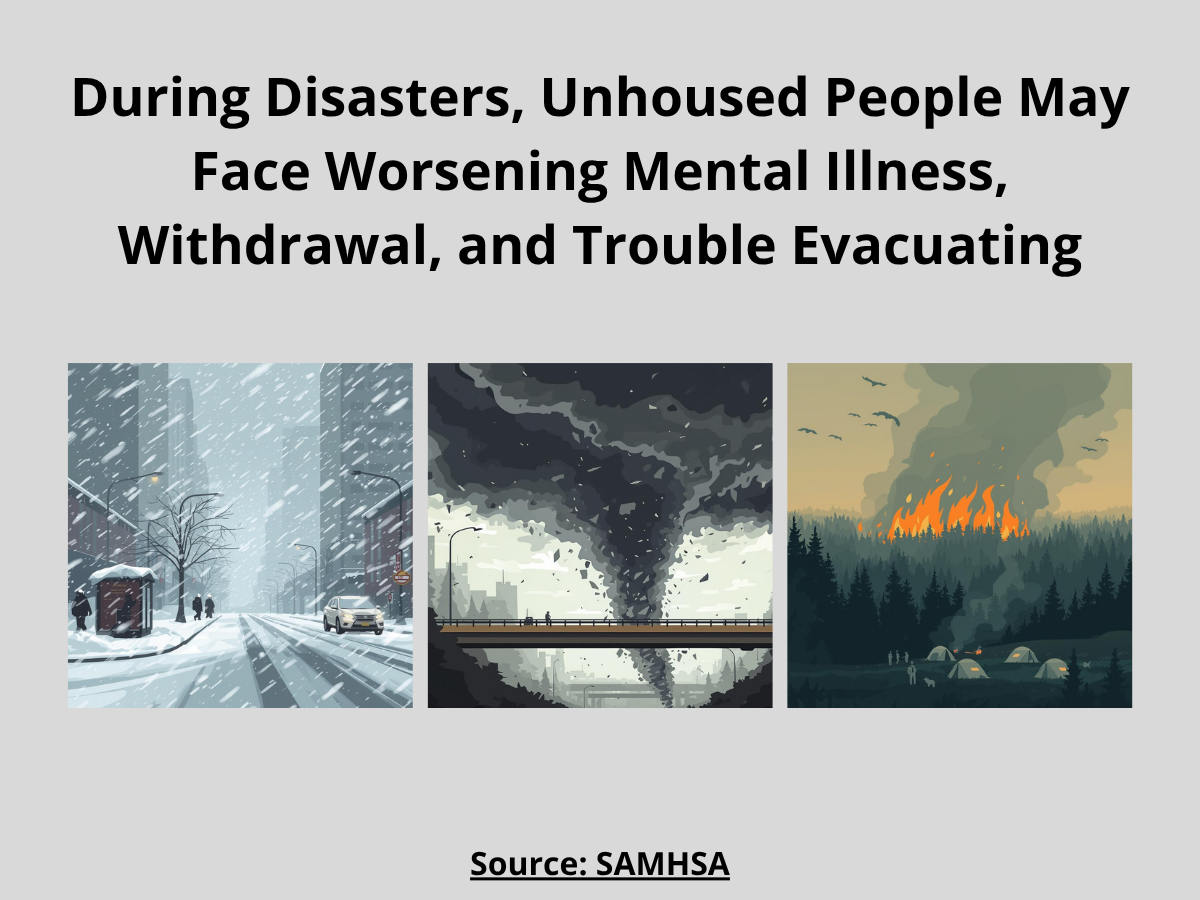
People experiencing homelessness are especially vulnerable to extreme weather. Crowded shelters and limited access to safe spaces make it harder to stay protected. This shows why community infrastructure and planning need to be inclusive, making shelters, public spaces, and other parts of the built environment safer and more accessible. Inclusive planning can help those without housing be more resilient after severe weather events.52
During pandemics, such as COVID-19, unhoused populations are at higher risk of infections. Crowded living conditions, limited access to preventive measures, and challenges related to behavioral health, such as substance use disorders or mental illnesses, all increase vulnerability.53
Emergency preparedness plans should specifically include people experiencing homelessness and the organizations that serve them. Involving homeless service providers in disaster planning helps ensure that their needs are addressed during emergencies.51,54 Efforts should also be made to reduce stigma toward those without housing, because negative attitudes can create barriers to using available services.52
-
Community-Driven Solutions
Simple, proven steps community groups can take now to get ready for emergencies where they live.
- Create and distribute community maps. Mark potential hazards and resources. Include shelters, medical facilities, water stations, and high-risk areas.
- Create a neighborhood phone tree or text alert group. This helps neighbors quickly share emergency warnings, check on each other, and spread essential updates.
- Collect and store emergency supplies for community use. Set up supply hubs in churches, schools, or community centers with water, blankets, flashlights, and other essentials.
- Help families create emergency go bags. Include items for everyone in the home, including people with special needs, pregnant or breastfeeding women, children, and pets. Tennessee Emergency Management Agency (TEMA) suggests supplies like clean water, non-perishable food, medications, extra clothes, hygiene items, a first-aid kit, a radio, and basic tools. Keep extra kits in your car or at work.
- Help people make family or organizational emergency plans. Include evacuation routes, ways to stay in touch if separated, and options for people with mobility challenges. Ensure communication methods work for everyone, including those with hearing, vision, or language barriers. Encourage neighbors to support seniors and people with disabilities. Ready.gov and The American Red Cross both provide step-by-step guides on building emergency plans.
- Host emergency preparedness events. Teach community members about the different needs people may have during emergencies, including age, disabilities, language, culture, or health. Include special items like manual wheelchairs, oxygen tanks, pens, and paper for people with communication challenges, or comfort items for people easily overwhelmed by noise and crowds.
- Offer preparedness workshops in multiple languages. Ensure information reaches everyone, especially those who speak languages other than English.
- Organize practice drills. Work with schools, businesses, and neighborhoods to hold practice evacuations and emergency drills so people know what to do and where to go during an emergency.
- Pair volunteers with vulnerable residents. Match volunteers with seniors, people with disabilities, or families without transportation so they can check in and provide help during a disaster.
- Share example plans and information in public places. Partner with radio and television stations and local emergency agency social media accounts. Partner with community groups to understand specific needs and challenges.
-
Making Change through Policies and Systems
Policy and systems change helps organizations work together to improve emergency preparedness over time. This section shares proven, long-term steps communities can take to be better prepared.
- Advocate for resources and funding. Talk with town or county officials to secure money, equipment, and supplies for emergency plans. Advocate for rules and policies that include emergency preparedness.
- Coordinate with transportation authorities. Ensure plans include accessible evacuation options for residents without private vehicles or who rely on public transit.
- Develop and update local emergency plans. Make sure plans reflect community changes, new risks, and lessons learned from past emergencies.
- Establish recovery and continuity policies. Develop local policies for restoring critical services, utilities, and healthcare after disasters.
- Engage community leaders. Connect with schools, churches, neighborhood groups, emergency management agencies, and nonprofits to make plans, share resources, and give clear information.
- Ensure emergency shelters meet accessibility standards. Shelters should be easy to reach and usable by people with disabilities or other special needs.
- Include people with disabilities in the planning process. Ensure evacuation routes, emergency transportation, and relief funds meet their needs. Provide communication options for people who are deaf, hard of hearing, blind, or who speak other languages.
- Require emergency preparedness training. Create policies that ensure schools and workplaces regularly train people to act safely during disasters.
- Start a Community Emergency Response Team (CERT). CERT trains local volunteers in basic disaster response skills and helps professional responders during emergencies. Volunteer Tennessee runs these teams in Tennessee.
- Use technology to improve emergency communications. Utilize systems like text alerts, social media updates, and apps that provide real-time information.
- Partner with local businesses and churches. Organizations can provide resources, shelter space, or volunteer support during emergencies.
- Partner with your local Healthcare Coalition. These groups bring together hospitals, clinics, and emergency responders to plan for, respond to, and recover from disasters.
- Promote public awareness campaigns. Use flyers, radio, TV, and online platforms to educate the public about preparedness year-round.
-
Community Spotlight
The Health Council Community of Practice (CoP) connects Tennessee Health Councils through shared learning and discussion around health priorities. To learn more about the Community of Practice, click here.
There are no Community Spotlight features available for this topic yet. If you have a relevant story, resource, or presentation you’d like to share, please email Health.Councils@tn.gov
-
Partners and Resources
Knowing where to find help and information can make emergency preparedness easier. Below are some key organizations and tools in Tennessee and beyond that can support you and your community.
Tennessee Resources
Tennessee Emergency Management Agency (TEMA)
- Ready TN
This website contains resources to help create an emergency plan, build emergency supply kits for your home or car, and connect you with information about emergency alerts. - ReadyTN 2.0
This mobile app with information on road conditions, weather updates, shelters, and contacts for county emergency agencies. It is available for download in the App Store and Google Play. - ReadyTN Business Program
This free training program that helps businesses prepare for disasters. The program lasts four weeks and includes a digital toolkit that businesses can find on the ReadyTN app or TEMA website. - Regional Emergency Manager Offices
These office around the state to give technical guidance, explain federal and state emergency rules, share updates on laws, help with grants and required reports, provide training information, and quickly process requests for state or outside aid.
Mitigation Grant OpportunitiesWest Region Office
1510 Highway 70 Bypass
Jackson, TN 38302
731-422-3300
800-322-7341
Fax: 731-423-6621Middle Region Office
1200 Foster Ave. Bldg. K-4
Nashville, TN 37210
615-741-7342
800-422-7342
Fax: 615-741-0498East Region Office
803 North Concord Street
Knoxville, TN 37919
865-594-5650
800-533-7343
Fax: 865-594-5668
These grant programs support projects in Tennessee that significantly reduce or permanently eliminate the loss of life and property from natural disasters. - @TennesseeEMA YouTube channel
TEMA produces videos on various emergency preparedness topics, including planning, response, and recovery.
Tennessee Department of Health
- Communicable and Environmental Diseases and Emergency Preparedness (CEDEP)
This division of the Tennessee Department of Health works to keep Tennesseans safe and healthy. Their job is to stop the spread of infectious diseases, watch for health problems caused by the environment, and get ready for emergencies. This includes tracking diseases, sharing reports, and implementing plans to reduce the impact of outbreaks and disasters. - Tennessee Disaster Support Network (TDSN)
This online tool helps communities across the state prepare for, respond to, and recover from disasters. It is especially designed to support people with unique needs, such as those who are Deaf or hard of hearing, blind or have vision loss, have disabilities, or live with long-term health problems. TDSN also provides resources for the organizations serving these groups, ensuring no one is left out during an emergency. - Tips for Assisting People with Access and Functional Needs During Emergencies
This a guidebook that explains how to communicate with and support people needing extra help during a crisis.
American Red Cross – Tennessee Region
The American Red Cross provides emergency assistance to those affected by disasters and always welcomes volunteers. The agency also offers emergency preparedness training programs virtually and in-person for youth and adults across Tennessee.
The Arc is a nonprofit that offers emergency preparedness resources for families and communities focused on the special needs of people with disabilities.
Catholic Charities of the Diocese of NashvilleThis branch of Catholic Charities plays an active role in emergency preparedness and disaster recovery across Middle Tennessee. They provide immediate relief such as food, shelter, and financial assistance after disasters, while also supporting long-term recovery through counseling, housing help, and case management.
EARS of Middle TNEARS of Middle TN provides emergency preparedness training, early warning equipment, and the coordination of emergency services for people who are deaf, hard of hearing, or deaf-blind.
Emergency Management Association of Tennessee (EMAT)This a statewide group that brings together people from many fields to improve disaster planning and response. They offer training, encourage teamwork, and connect government, businesses, and communities to better prepare for, respond to, and recover from natural and man-made emergencies.
Local Emergency Management Agencies (EMAs)EMAs are located in every Tennessee county and many cities. These agencies provide local information and preparedness resources.
Northeast Tennessee Healthcare Preparedness CoalitionThis network of local healthcare agencies work together to prepare for disasters and respond effectively when they happen. Members include hospitals, EMS, public health, and long-term care facilities, who share resources, create emergency plans, and train as a team.
Tennessee Baptist Disaster ReliefThis volunteer program with more than 5,000 trained members from churches across the state who are ready to respond when disasters strike. They provide practical help and emotional support to people in crisis, working alongside groups like the Red Cross, Salvation Army, and VOAD.
TN 211The United Way helpline that can connect people with more than 10,000 health and human services programs. When you call, a trained representative will help you find the type of service you need and connect you with the closest places where you can get help.
Tennessee Volunteer Organizations Active in Disaster (TNVOAD)TNVOAD is a network of organizations across the state collaborating to provide effective disaster response and recovery by coordinating resources and support.
Thrive Regional PartnershipThis partnership serves the greater Chattanooga area by helping communities plan for long-term resilience and emergency preparedness. Thrive works with local leaders to address risks like flooding, severe weather, and infrastructure challenges through its no-cost Resilient Communities Program. By offering technical support and fostering collaboration across counties and states, the organization helps communities strengthen their ability to withstand and recover from disasters.
Volunteer TennesseeThe Governor’s commission on volunteerism and community service help support Community Emergency Response Team (CERT) programs. These programs teach people how to prepare for disasters and give them basic skills to help during an emergency.
- Ready TN
-
To Learn More
Centers for Disease Control and Prevention
- Clinician Outreach and Communication Activity (COCA)
COCA gives health care providers reliable, up-to-date information on public health emergencies and emerging threats. It works with national clinician groups to improve information sharing and offers training, communication strategies, and resources to help clinicians respond effectively before, during, and after emergencies. - Child and School Preparedness
This internet resource offers special tips and resources to help children in emergencies. The site includes information for schools, childcare providers, families, and health professionals. There are games to help children learn how to stay safe while having fun. - The Crisis & Emergency Risk Communication (CERC)
The CERC program offers training, tools, and resources to help health workers, emergency responders, and community leaders share clear and helpful information during emergencies. - Emergency Partners Information Connection (EPIC)
EPIC connects with partners to provide information during a public health emergency. The program helps distribute information from the CDC during emergency planning or a crisis. - Health Alert Network (HAN)
HAN is a nationwide program that delivers important health updates and provides the technology needed to share them at the state and local levels. HAN works with federal, state, territorial, tribal, and local partners to create protocols and build relationships that support a strong, connected system for quickly sharing public health information.
Federal Emergency Management Agency (FEMA)
- DisasterAssistance.gov
Apply for disaster assistance online or call 1-800-621-3362 or TTY: 1-800-462-7585. - Community Emergency Response Team (CERT)
CERT is a program that teaches volunteers how to prepare for disasters that could happen in their area. Volunteers learn basic skills like fire safety, light search and rescue, team coordination, and basic medical care. This training helps emergency professionals depend on CERT volunteers for simpler tasks so that they can focus on more complex emergency work. - Emergency Financial First Aid Kit (EFFAK)
This toolkit was developed to help individuals and families prepare for financial challenges during and after disasters. The kit offers tips on managing finances, understanding credit scores, and what to expect after a disaster. - The FEMA App
Receive real-time weather alerts, locate emergency shelters, prepare for common hazards, and more. The app can also help users create family emergency plans and put together disaster kits. After a disaster, the app can inform users if they are eligible for FEMA assistance, locate Disaster Recovery Center locations, and help answer pressing questions. The app is available for both Apple and Android users. - Preparedness Grants
Grants are available to provide funding to support preparedness at the state, local, tribal, and territorial levels. - Preparedness Toolkit
PrepToolkit, is an online dashboard allowing government agencies, non-profits, and communities to collaborate and develop preparedness plans. The toolkit offers resources to address all six components of the National Preparedness System, including prevention, protection, mitigation, response, and recovery. - Risk Management Resources
Tips to help connect community partners and incorporate hazard mitigation into local planning are available on FEMA’s website.
Rural Health Information Hub
- The Rural Emergency Preparedness and Response Toolkit provides resources to help organizations with emergency planning, response, and recovery efforts in rural areas.
Substance Abuse and Mental Health Services Administration (SAMHSA)
- Disaster Response Template Toolkit
This template provides easy-to-use guides and templates for programs that support mental health during disasters. It helps programs manage their services and share information about common disaster reactions, coping tips, and available help. The toolkit includes templates for flyers, public service announcements, and social media posts. - Disaster Technical Assistance Center (DTAC)
DTAC helps states, tribes, and local communities prepare to respond to the mental health and substance use needs after disasters.- Preparedness: They help communities make disaster plans, provide training, share research, and connect groups so they can work together.
- Response: After a disaster, they give advice, share lessons learned from other places, and connect people with helpful materials, experts, and grants for crisis counseling programs.
- Resources: DTAC offers free guides, trainings, and videos for disaster responders and behavioral health professionals.
U.S. Department of Homeland Security
- Ready.gov
The website serves as a central resource for communities, businesses, individuals, families, and even kids to learn about various hazards, create emergency plans, and build preparedness kits. - National Preparedness Month (NPM)
Homeland Security designates each September to promote family and community disaster planning throughout the year. Find educational resources and learn more on the DHS website.
U.S. Department of Housing and Urban Development (HUD)
- Disaster Recovery Homelessness Toolkit
This toolkit provides communities with information and resources to develop a disaster response and recovery plan that addresses the needs of people experiencing homelessness. - Find Shelter Tool
Locate housing, shelter, health care, and clothing resources in local communities. - HUD Disaster Preparedness Virtual Toolkit
A user-friendly guide to help Public Housing Agencies (PHAs) prepare for and respond to disasters. - HUD Disaster Line
For disaster-related inquiries, individuals can call HUD's disaster line at 1-800-304-9320 or email recovery@hud.gov.
- Clinician Outreach and Communication Activity (COCA)
Give us your feed back on the TVT.