Community Supported Schools
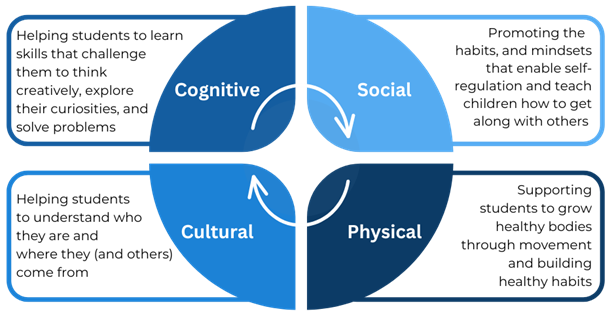
Schools help students grow cognitive, social, physical, and cultural skills. These
skills are like building blocks; each one adds strength, and together they create
a solid foundation for healthy development.
Schools can also provide services that support children within the context of their
families, cultures, and communities. When communities invest in their school systems and
build strong, community-supported schools, they can enhance the health and well-being
of students, families, and the broader community.
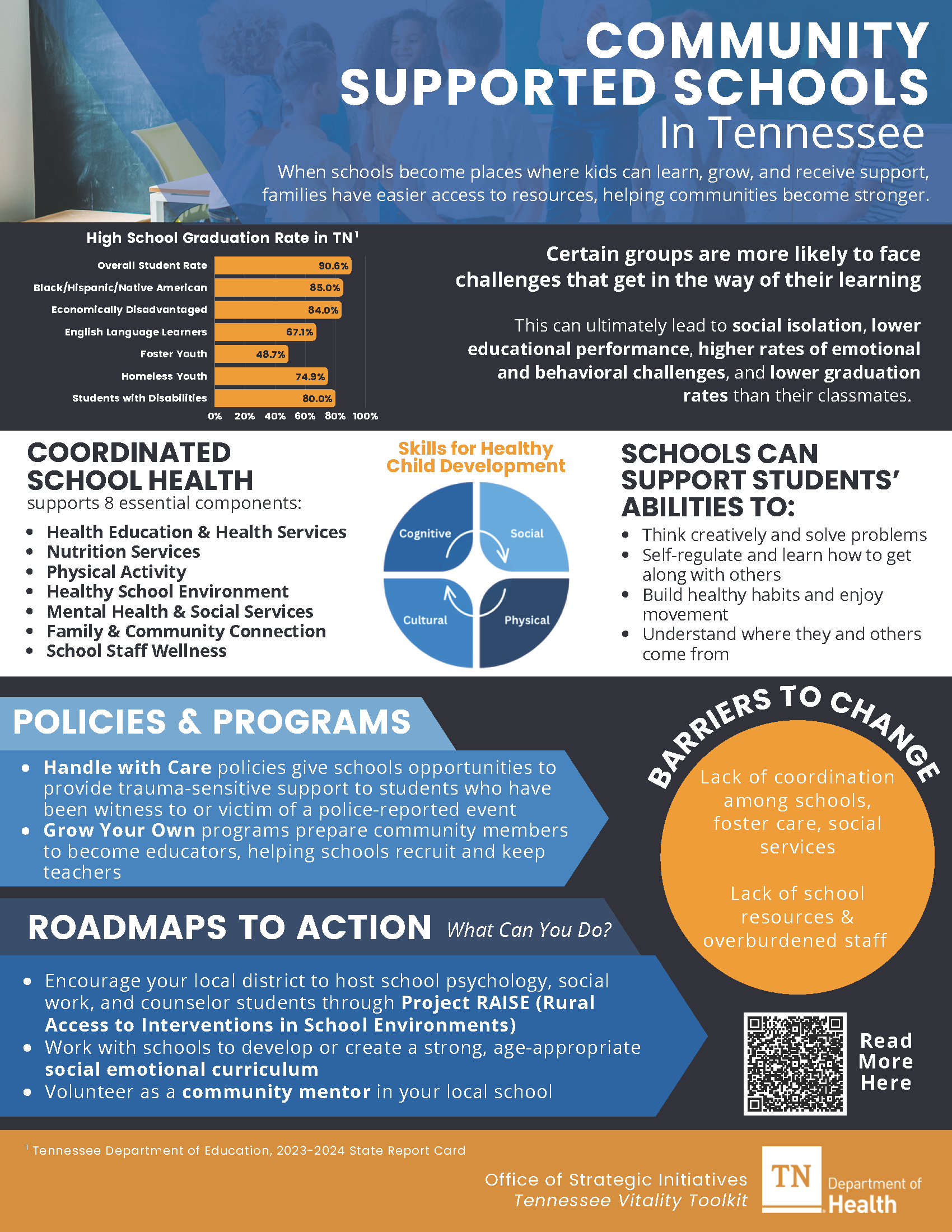
Tennessee’s Coordinated School Health, a statewide framework, highlights the key parts of a school that help students and families thrive. These principles include:
- Health Education and Health Services: Teaching students how to live healthy lives and meeting their health needs as they arise.
- Nutrition Services: Ensuring students have healthy meals during and after the school day so they have
the energy to learn.
Physical Activity: Giving students regular chances to play, move, and stay healthy. - Healthy School Environment: Creating a school where students feel safe, welcome, and protected from bullying and discrimination.
- Mental Health and Social Services: Supporting students’ mental well-being and helping them build strong social and personal skills.
- Family and Community Connection: Opening the door for families to be involved and feel included in the school community.
- School Staff Wellness: Helping school staff stay healthy, supported, and fairly compensated so they can do their best.1
These principles bring health and learning together. They unite families, educators, and communities to support students’ overall well-being and help them thrive both in the classroom and in life.1
-
Why are Community-Supported Schools Important for Community Well-Being?
Schools set the stage for children to thrive both personally and academically. The quality of education a child receives influences their future income, health, and life expectancy. But children cannot learn well if their social, emotional, or physical needs are not met.
Schools can be a safe and trusted place where students access resources they may not have at home. Trauma-informed schools take this a step further by understanding and responding to the effects of Adverse Childhood Experiences (ACEs) —potentially traumatic events such as abuse, violence, or neglect.2 They work to ensure every student feels safe, supported, and ready to learn.3 Schools can also serve as neighborhood hubs. They can offer staff, space, and support that benefit the entire community.
Most schools do not have enough resources to meet all of their students’ needs. Community organizations, parent–teacher groups, and residents can help. By working together, they can create strong community hubs. Schools that take on this broader role are often called “community schools.” These schools become trusted places where families can access services, support, and learning opportunities. 4
For example, a school might partner with a local food bank to open a food pantry. The pantry might also include a clothing closet or diaper distribution program. When families receive help through programs like these, trust grows. The school becomes more than a place for academics—it becomes a reliable partner in a child’s overall development.
When schools provide learning, resources, and support all in one place, families have easier access to what they need. This helps children succeed and allows communities to grow stronger together.
-
What are the Disparities?
Every student can experience challenges during their educational journey. However, some groups are more likely to face barriers that interfere with their learning, such as limited access to basic needs, a lack of proper learning tools, or experiences with bullying or discrimination at school. Community-supported schools help ensure that all students receive the resources and guidance they need to meet their goals and succeed in their learning.5
Youth in Foster Care
Data from the U.S. Department of Health and Human Services (HHS) indicates that in fiscal year 2024, more than 328,947 children were in foster care in the United States, including 9,104 in Tennessee.6 Children in foster care experience more Adverse Childhood Experiences (ACEs) than their classmates, and being placed in foster care is considered an ACE on its own. ACEs can disrupt healthy brain development and may impact a child’s long-term well-being if left unaddressed. 7
Children in foster care may face unstable housing or complicated family situations that make it difficult to focus in the classroom. They may also feel isolated and struggle to form essential relationships.8
Academic success is essential for all young people because it helps build independence, confidence, and future opportunities.9 However, youth in foster care often score lower on educational measures and are less likely to graduate.10 In Tennessee, the high school graduation rate in 2023 was 90.6%, compared to just 48.7% for students in foster care.11 This gap shows the need for additional support for these students.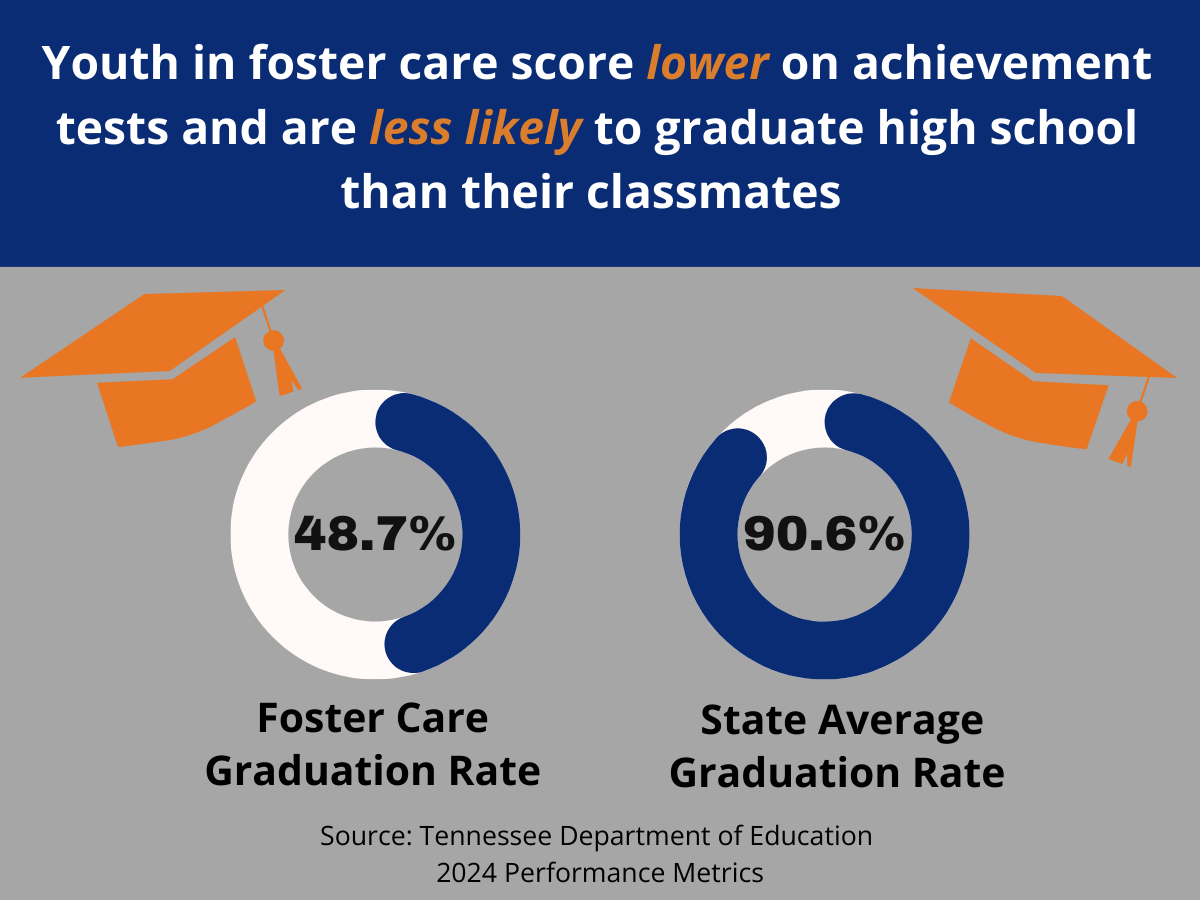
Students Experiencing Homelessness
According to the Tennessee Commission on Children and Youth, the number of students experiencing homelessness in Tennessee has risen by 29% since the 2020–21 school year.12,13 Three out of four students who are considered homeless live with another family.12 This trend highlights a growing crisis of housing instability among school-aged children.
Housing instability disrupts healthy development and negatively impacts school attendance and academic performance. Research shows that education is a key protective factor for children experiencing homelessness, giving them stability and long-term opportunities.14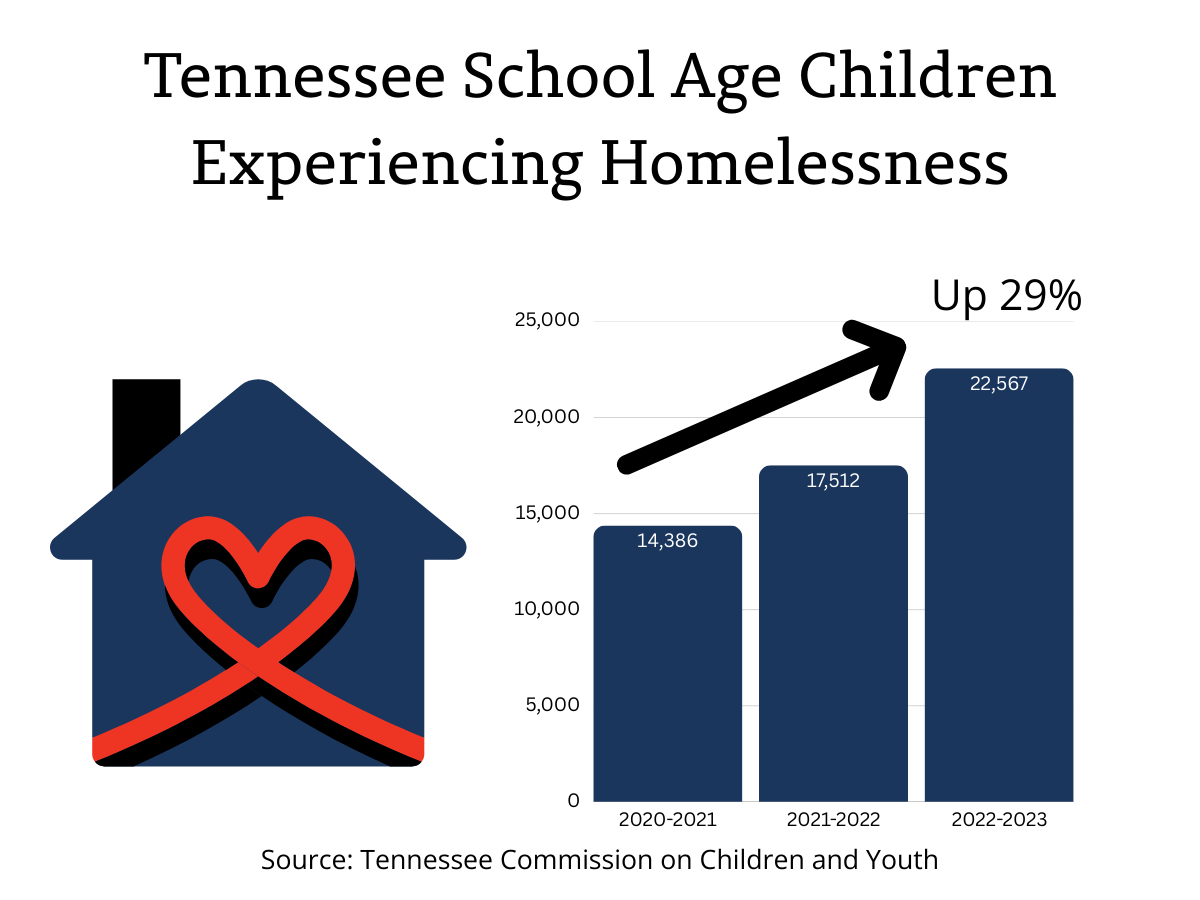
Students Experiencing Poverty
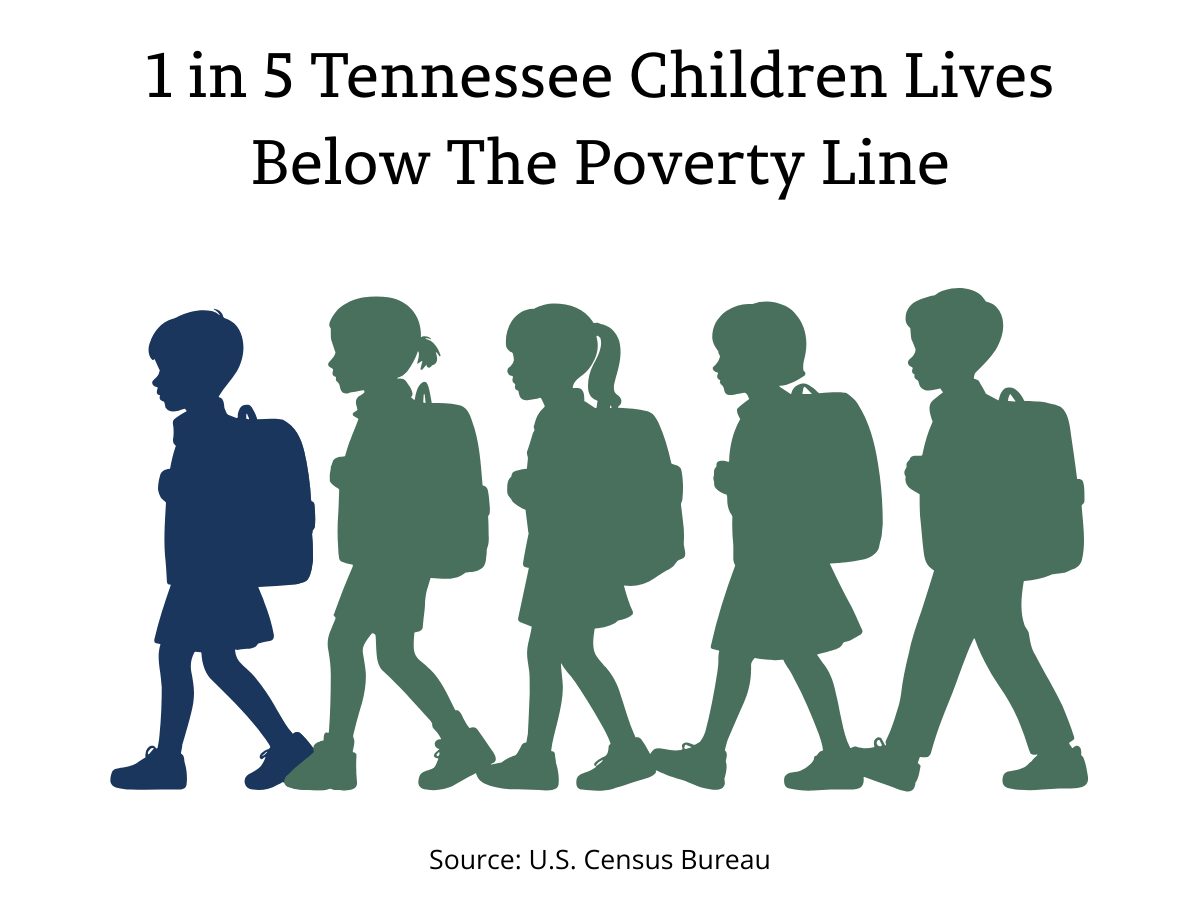
Financial hardships impact many Tennessee families. About one in five children in Tennessee (19.7%) lives below the poverty line, compared with 16% nationally.15 Children under five experience the highest rates of poverty of any age group in the state, with one in five (20%) living in poverty.16 Nearly one in four Tennessee children lived in a household that received public assistance in the past year.15 These challenges are even greater in rural communities, where poverty rates consistently exceed those in urban areas.17
Students experiencing financial hardship face additional barriers, including slower academic skill development and a higher risk of dropping out of school. These challenges can also affect long-term educational goals. In 2024, the college-going rate for economically disadvantaged Tennessee students was 38.7%, compared with 64.9% for students who were not financially disadvantaged.18
Community-supported schools can help address these needs by providing access to resources that alleviate some of the pressures of poverty and support families in achieving financial success.
Uninsured and Underinsured Children
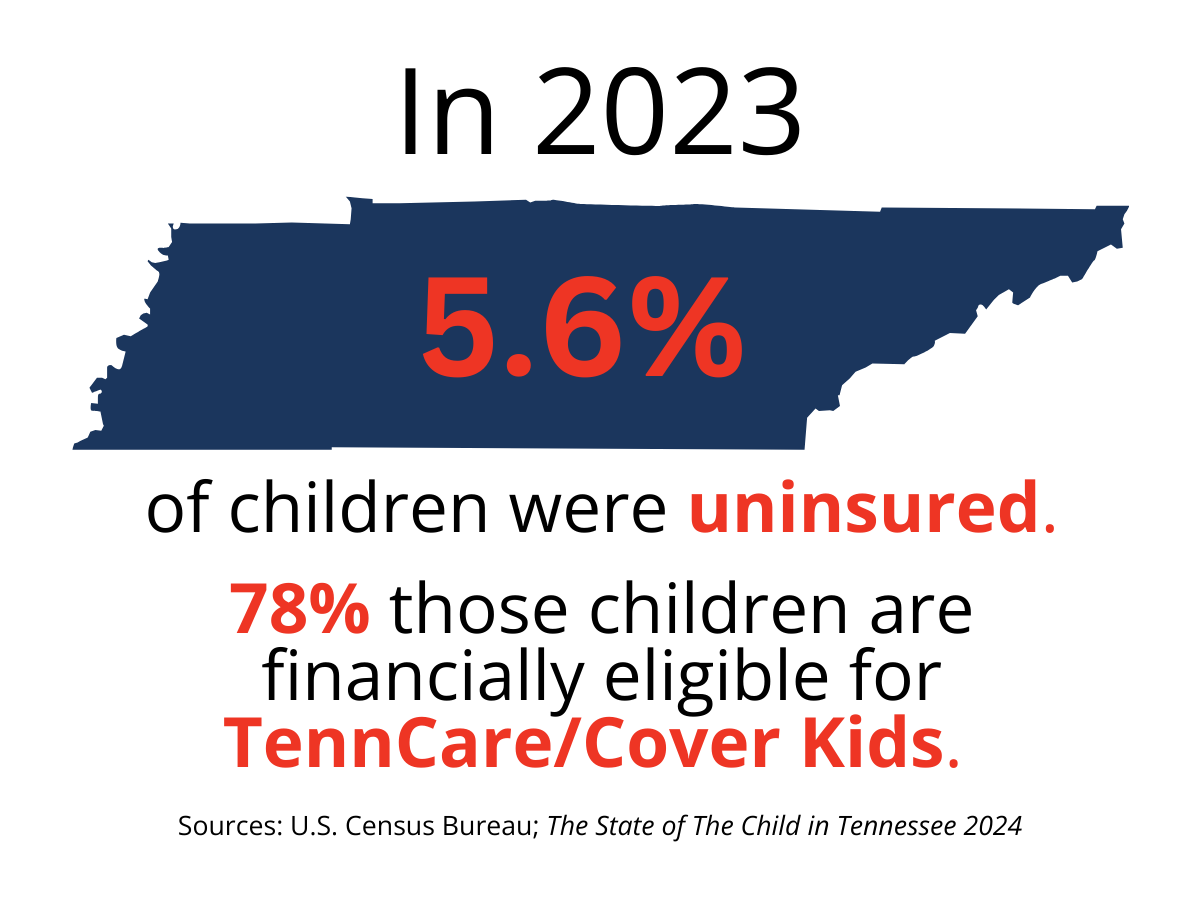
In Tennessee, about 5.6% of children were uninsured in 2023.19 Many of these children qualify for TennCare or CoverKids, which offer health insurance for families with low or moderate incomes.13 Still, some children are unable to enroll due to factors such as immigration status.19
Uninsured and underinsured children often turn to schools for basic health care. School nurses, social workers, and counselors play important roles in meeting day-to-day needs. However, only about 67% of Tennessee public schools have a full-time nurse on staff; some schools only have a part-time nurse, or nurses cover multiple schools within the district.20 Additionally, nearly half (47.5%) have limited or no access to psychological professionals.13,21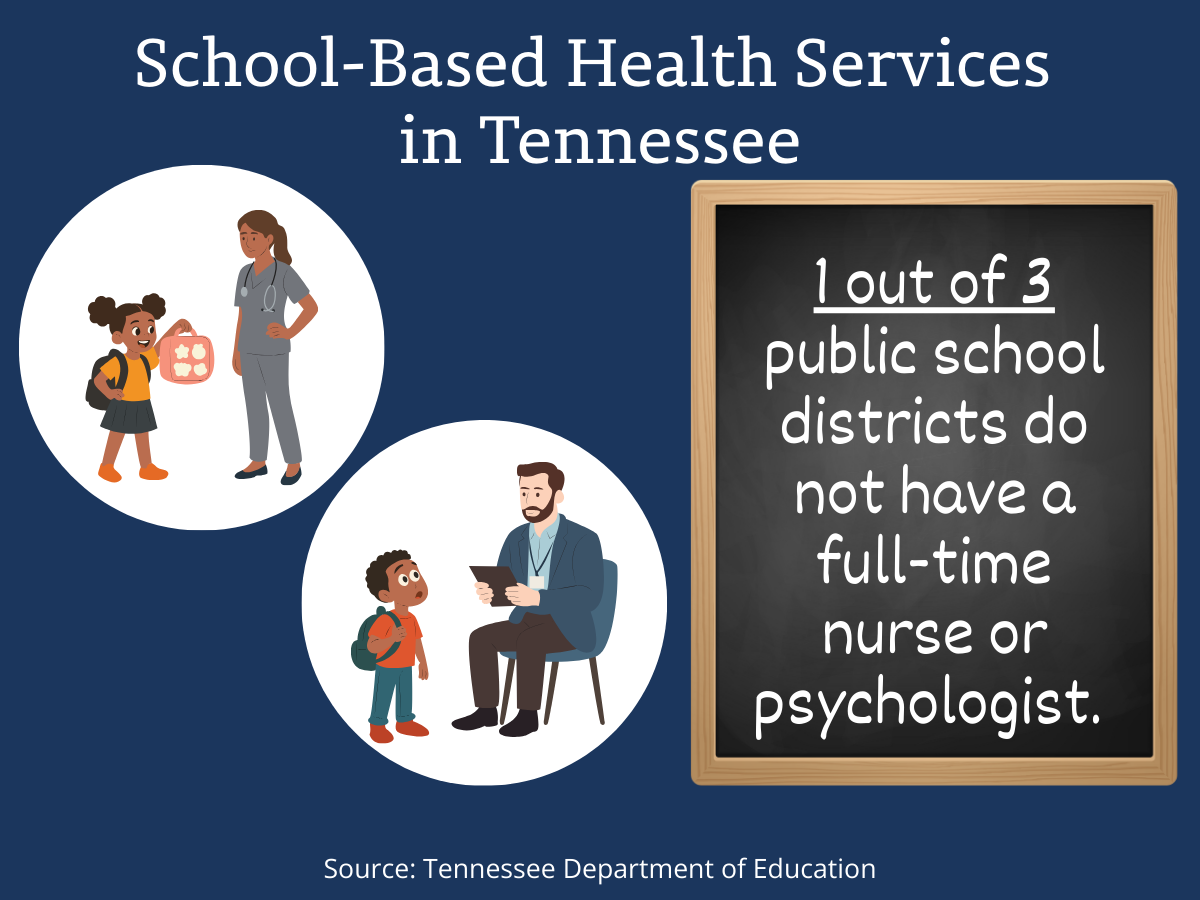
According to the Tennessee Department of Education, just 36 of the state's 147 public school districts have a school-linked health clinic, and only 18 have a school-based health clinic.20 School health clinics provide a variety of services, including sick visits, primary care, and immunizations.- School-linked health clinics connect students to care through outside providers, such as community agencies or telehealth services.20
- School-based health clinics are located on school campuses and provide health services to meet students’ ongoing health care needs.20
These clinics expand access to necessary care – especially for students without a regular provider — and are a valuable resource for low-income communities.22
A statewide study of 142 school districts using data from 2006 to 2021, found that districts with school-based health centers saw:
- Fewer students with mental health diagnoses,
- More students receiving mental health care, and
- Fewer mental health–related emergency room visits.23
Students with Disabilities
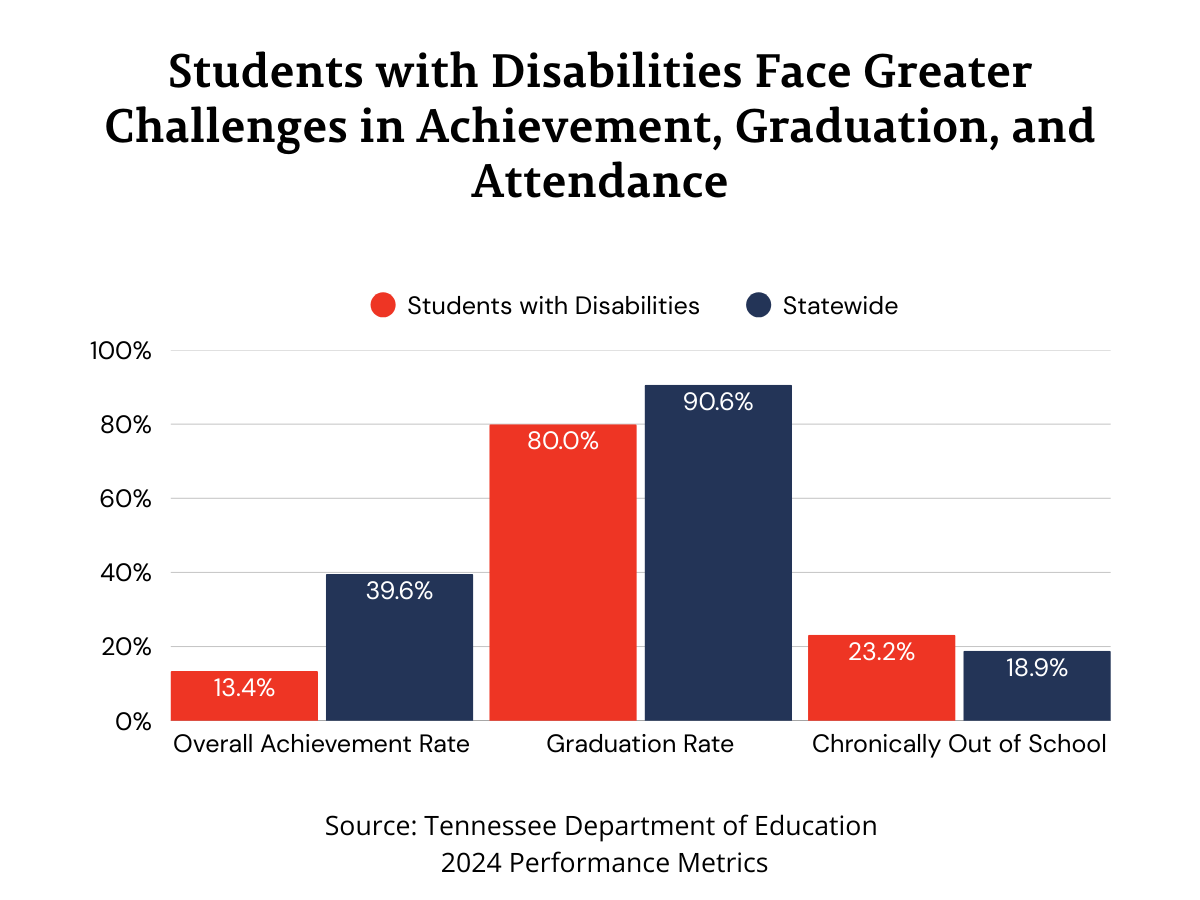
Students with disabilities make up about 15% of all Tennessee public school students.24 Students with disabilities are less likely to meet academic achievement markers than their peers; in 2024, just 13.4% of students with disabilities met the overall achievement rate compared to the statewide rate of 39.6%.25 Their graduation rate is also lower, 80% compared to 90.6% statewide.26 They are also more likely to miss school, with a chronic absenteeism rate of 23.2%, compared to the overall rate of 18.9%.27
Schools need substantial resources to support students with disabilities. However, special education positions are the most challenging jobs to fill, and many schools struggle to hire for these roles.28 Teachers also say they need better access to information and support, especially around behavioral and mental health services for students with disabilities.29
Community-supported schools can help students with disabilities stay engaged and succeed by improving access to specialized services, reducing barriers to learning, and strengthening support systems.
Racial and Ethnic Minorities
About 40% of Tennessee students are Black, Hispanic, or Native American.24 These students are more likely to miss school, drop out, or not graduate on time.11,26,27
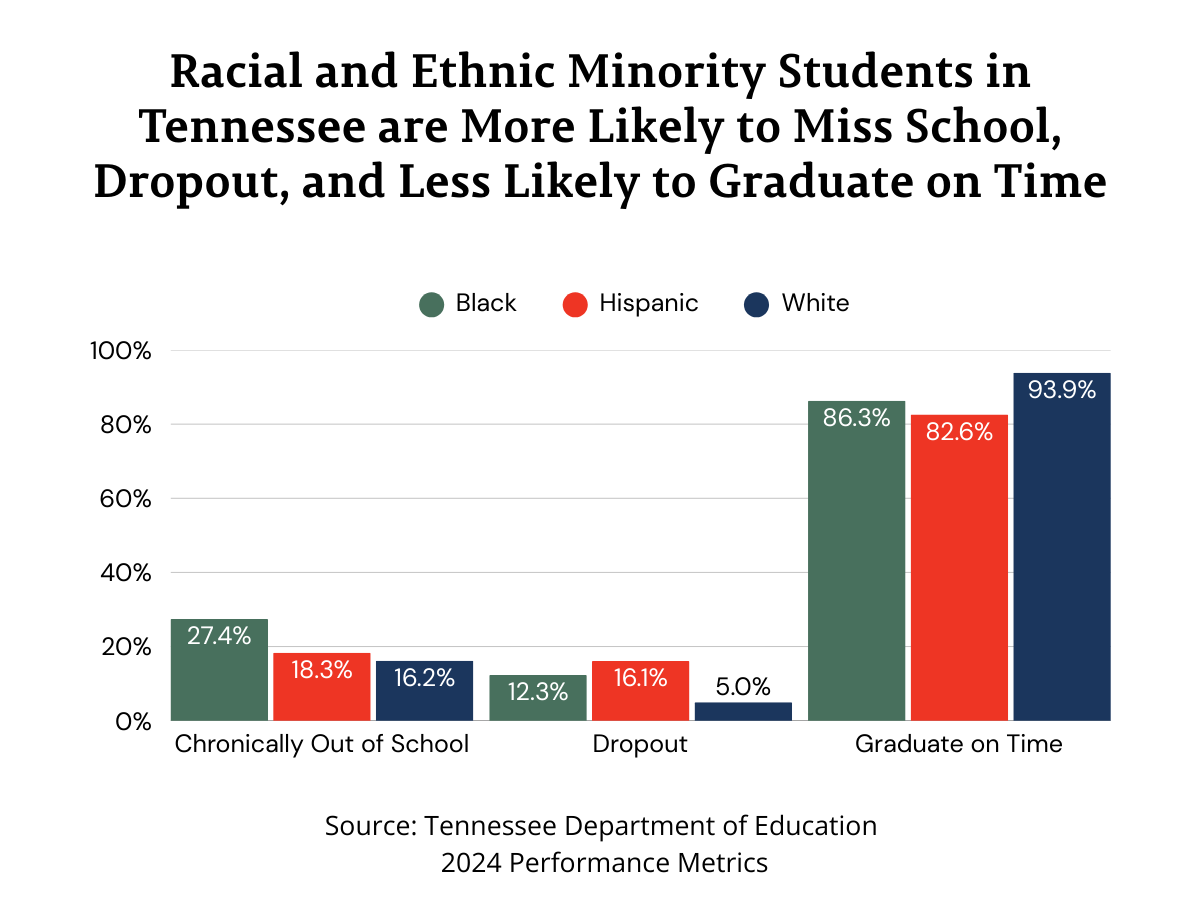
Racial and ethnic minority students are more likely to score lower on benchmark reading and math exams. The 2025 TCAP results show that 28.9% of Hispanic students and 25.8% of Black students scored proficient in English language arts, compared with 48.8% of White students.30 Math scores followed the same pattern: 28.8% of Hispanic students and 22.4% of Black students scored proficient, compared with 47.5% of White students.31
There are also disparities in discipline. In 2024, 11.1% of Black or African American students and 3.8% of Hispanic students received an out-of-school suspension, compared with 3.3% of White students.32 Suspension removes students from learning, reduces their academic performance, and increases the risk of involvement with the justice system.30
Gaps in school success for racial and ethnic minority students are often due to limited access to support, unspoken bias, and differences in income and resources.33 Community-supported schools can improve these outcomes by connecting students and families with academic, social, and health supports while promoting practices that help students stay engaged, stay in school, and succeed.
Immigrant Students/English as a Second Language
Approximately one in seven children in Tennessee lives in a family with an immigrant background.34 Among these students, one in nine children ages 5–17 speaks a second language at home.34,35 In 2013, that number was one in 13, showing how Tennessee’s student population has become more diverse over time.35
Many immigrant families face challenges that can make it harder for parents to support their children’s learning. Limited income or difficulty accessing information in English can make it harder to communicate with schools or understand how to use school-based resources. As of 2022, one in five Tennessee children in immigrant families lived below the poverty line.36 In Tennessee, more than one in four children live in homes where no one over the age of 14 speaks English “very well,” a rate higher than in all but three other states.37 Another challenge is that three out of ten children in immigrant families have parents who have not finished high school.38
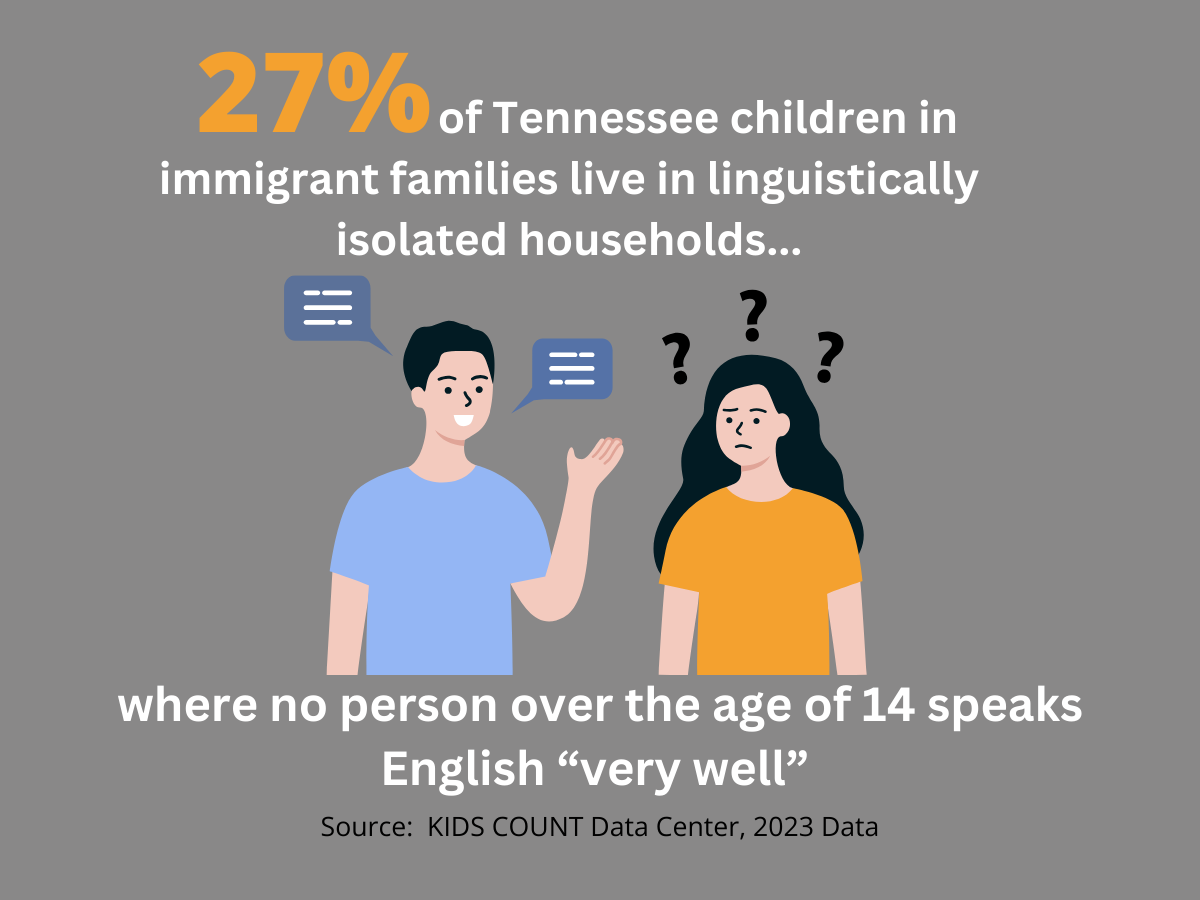
Language barriers can make school much more complicated for students. According to the Tennessee Department of Education, students learning English had an achievement rate of 19.3% across all tested subjects, compared to the statewide average of 39.6%.25 The dropout rate for student immigrants is also much higher— 31.1% compared to the state average of 8.1%.11 These students may also have lower access to special education services, creating another challenge to classroom success.39 Additionally, some schools lack enough qualified teachers to teach English as a second language, which can limit the support available to students.40
Community-supported schools can help reduce these barriers by improving language access, building trusting relationships with families, and connecting students with the academic and social supports they need to succeed.
LGBTQ+ Students
LGBTQ+ students in Tennessee often face unique challenges that can affect their safety, well-being, and success in school.
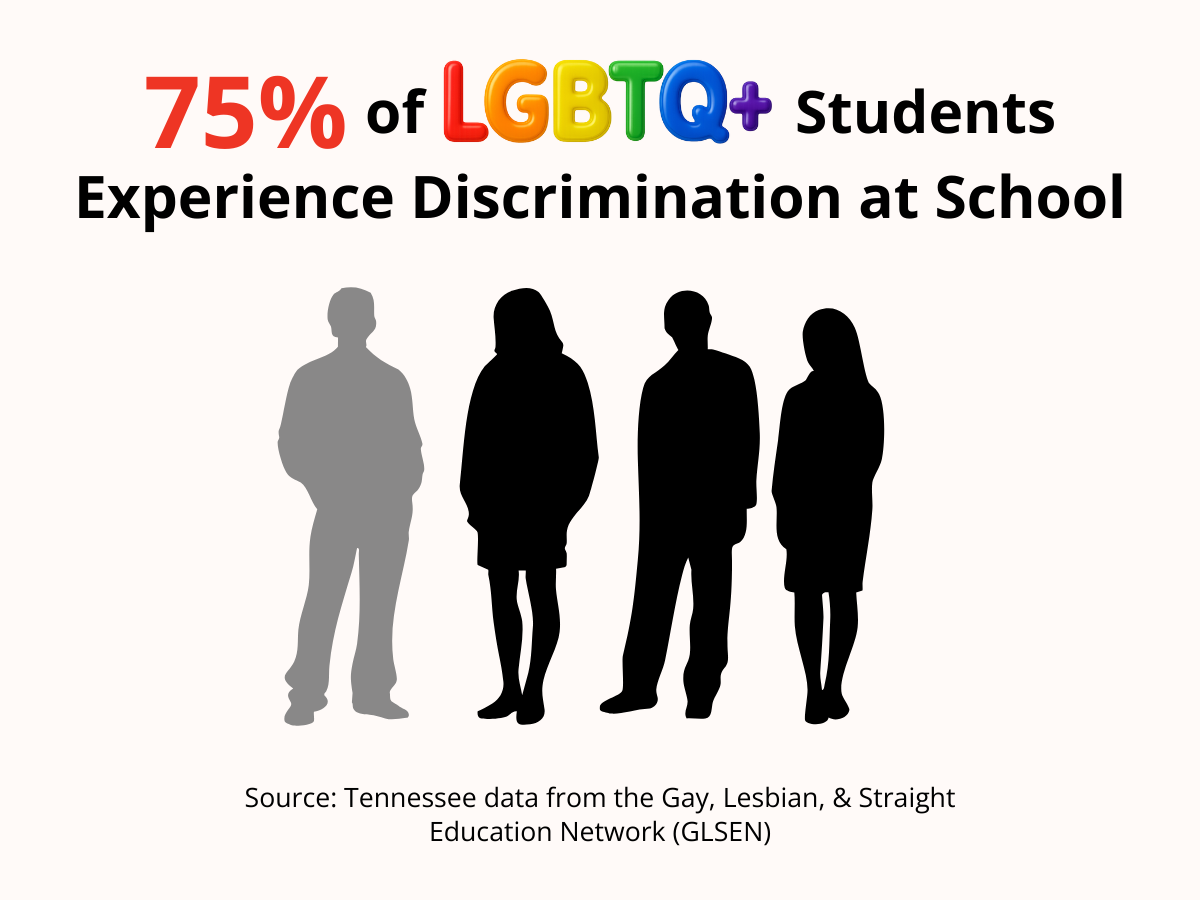
Data show that school does not feel like a safe space for many LGBTQ+ students:
- Three out of four (79%) LGBTQ+ students reported experiencing at least one form of discrimination at school
- Only 20% felt that their school administration was supportive of LGBTQ+ students
- Only 4% of students attended a school with a comprehensive anti-bullying/harassment policy that included LGBTQ+ protections 41
A nationwide study using data from 2010 to 2018 found that schools across the country have increased their use of evidence-based practices to create safer environments for LGBTQ+ students. However, Tennessee schools did not experience significant improvements or adopt many new supportive practices during that period.42
Research also shows that when schools use trauma-informed policies and offer mental health services led by supportive adults, all students—including LGBTQ+ students—report better mental health, improved attendance, and higher engagement in school.43
Students in Rural Communities
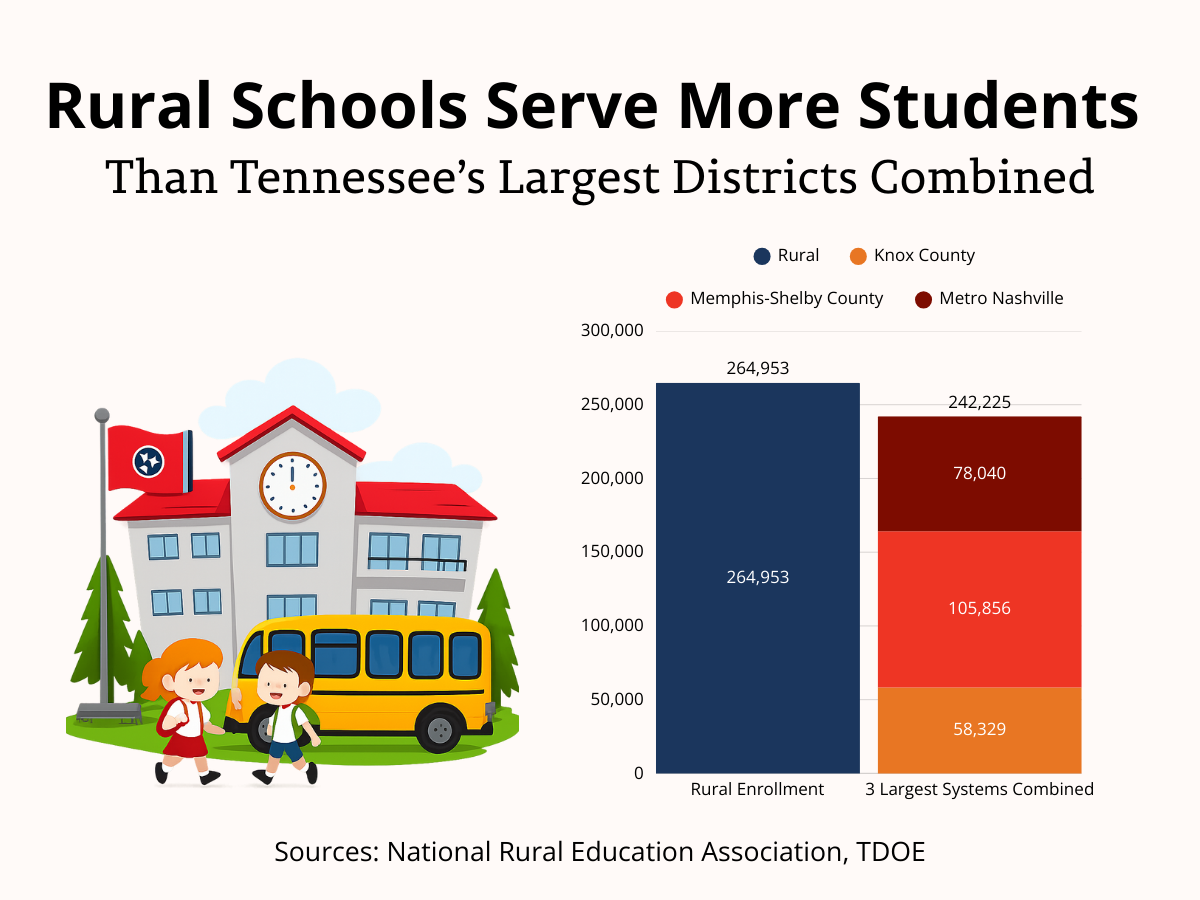
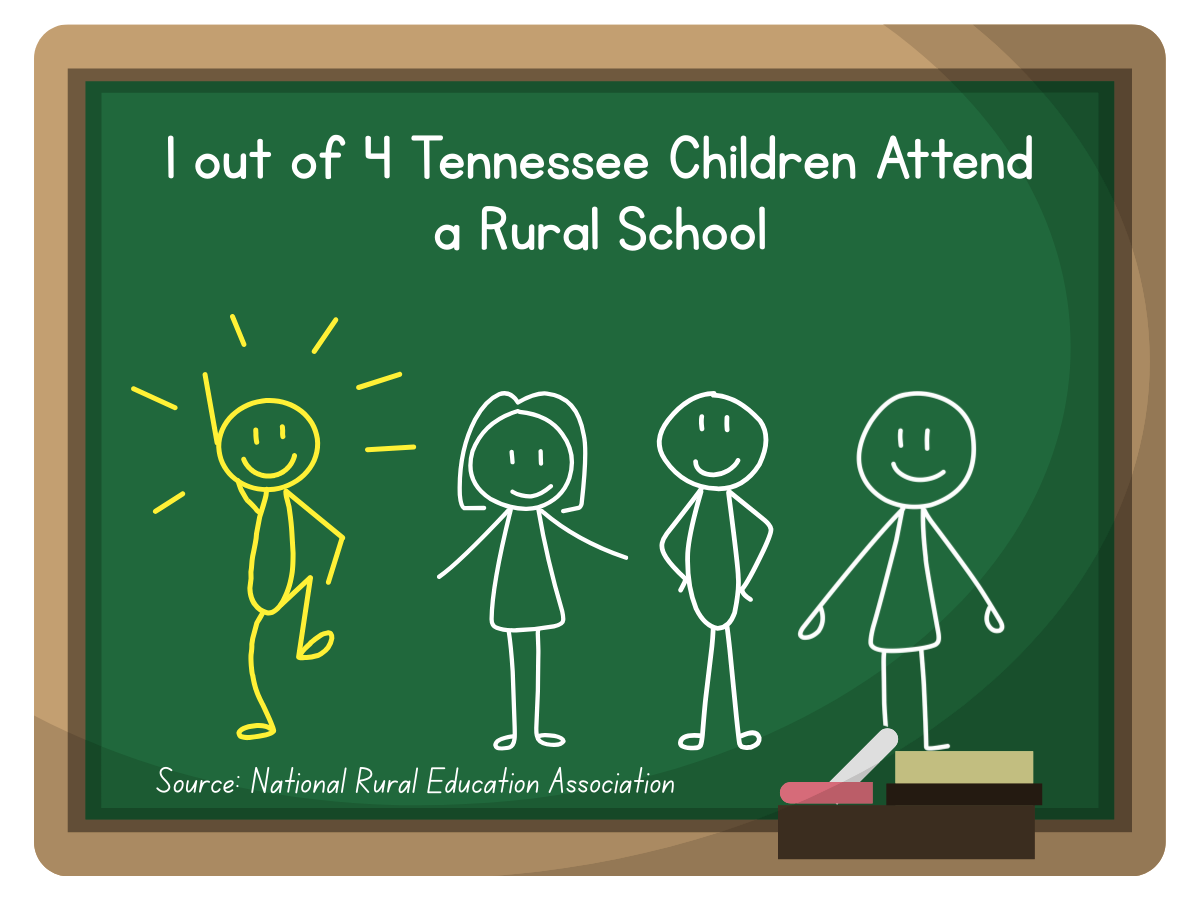
Nearly half of Tennessee's school districts are located in rural communities, and the state has the 10th-largest rural student population in the United States.44,45 According to the National Rural Education Association, these districts serve 264,953 students—more than the combined enrollment of the districts that serve Memphis, Nashville, and Knoxville.24,45 Because rural districts have fewer options for raising local revenue, they rely more heavily on federal funding to support their schools.46 Compared to urban districts, Tennessee’s rural school districts have higher shares of low-income students and students with disabilities, as well as lower English Language Arts test scores.46
Rural school districts in Tennessee also face significant challenges in hiring and keeping teachers. Remote areas often receive fewer job applicants, and districts struggle to retain staff because they have smaller tax bases to support competitive pay or provide classroom resources.47 These conditions can increase teacher workload, leading to burnout and turnover.
Rural students also have fewer school options, such as charter or private schools.48 As a result, rural students often perform lower academically and are more likely to be economically disadvantaged.48
Community-supported schools can help by bringing more resources, partnerships, and support to rural communities, helping students stay engaged and succeed.
-
Community-Driven Solutions
Community-driven solutions are practical steps that local partners can take together to support students and families. These actions are evidence-informed, doable in the short term, and designed to address the most critical needs in each community.
- Partner with Coordinated School Health to help schools serve as community hubs. By working with a local Coordinated School Health program, schools can become places where families can easily access the resources and assistance needed for students to thrive.
- Collaborate with schools to support Positive Childhood Experiences. Promoting safe, stable, and nurturing relationships and environments helps contribute to healthy development across the lifespan and can protect against adverse childhood experiences.
- Collaborate with schools to host a supplies drive. Collecting winter clothes, books, hygiene products, and other essential items ensures students have free access to these supplies.
- Work with school districts to create school-based food pantries. Food pantries provide families with a convenient, one-stop shop for healthy food and other essential supplies during times of need.
- Partner with specialized nonprofits to bring essential services into the school. Nonprofits can help schools offer services such as interpretation for parents, diaper and formula banks, mental health support, or employment resources—making it easier for families to access help in a familiar setting.
- Host resource fairs during school events. Setting up resource tables at open houses, parent-teacher conferences, or school festivals provides families with direct access to information and services.
- Create and share local resource guides. Guides with information on financial support, mental health services, food access, positive childhood experiences, or housing assistance can be shared at school events to help families find resources.
- Expand free or low-cost after-school and summer programs. These programs help prevent learning loss and provide students with a safe, supportive environment for social connection, academic support, and access to resources.
- Help establish a student advisory board. Student advisory boards give young people a voice, helping them identify needs and shape school priorities, while also improving the school climate.
- Volunteer or become a mentor at a local school. Positive relationships matter. One supportive adult can make a lasting difference in a child’s resilience and success.
- Work with school nurses to promote healthy habits and support community health. School nurses help connect students and families to health services, resources, and essential support during times of need.
-
Making Change Through Policies and Systems
Policy and system changes help support long-term improvements. These evidence-informed actions create stronger, more supportive environments for students and families.
- Build relationships with local school board members. Start by inviting members to a Health Council meeting, sharing goals for supporting students, and finding areas where priorities align.
- Support local Tennessee School-Based Nutrition Programs. Help raise awareness about existing food services so eligible families know how to access them year-round. When students’ basic needs are met, they are better prepared to learn and less likely to struggle in class.
- Support trauma-informed practices across local school districts. Help schools adopt trauma-informed approaches by offering training for administrators, teachers, and support staff, and by promoting policies that utilize supportive, restorative discipline rather than exclusionary practices. Trauma-informed strategies help educators understand how trauma affects students, create safer learning environments, and keep students engaged in school.
- Collaborate with local Family Resource Center (FRC) to support the community. FRCs help meet the social, emotional, and material needs of students and their families by providing services such as job training, mental health support, and parenting resources.
- Implement Communities in Schools principles in the local district. These programs collaborate with schools to provide academic support, college and career readiness, basic needs assistance, and social-emotional skill development, along with referrals to community partners.
- Encourage the local district to host Project RAISE (Rural Access to Interventions in School Environments) students. Project RAISE places school psychology, social work, and counseling students in rural districts to expand mental health services and prepare the next generation of school mental health professionals.
- Support schools in adopting or strengthening social-emotional learning (SEL) curriculum. Strong social skills developed in childhood lead to better outcomes later in life, both in school and at work, and research indicates that they can reduce the likelihood of involvement with the criminal justice system.
- Increase collaboration among school support services and community stakeholders. Bring together counselors, county health councils, social workers, coordinated school health, school boards, and others to strengthen coordinated support for students.
- Support or develop Grow Your Own (GYO) teacher initiatives. GYO programs build a local teacher pipeline by helping community members become educators and connecting districts with Educator Preparation Providers (EPPs).
- Establish a Handle with Care program. These programs connect schools with law enforcement, so schools are notified when a child has witnessed or experienced a police-reported incident. This enables the school to offer trauma-sensitive support promptly. “
-
Community Spotlight
The Health Council Community of Practice (CoP) connects Tennessee Health Councils through shared learning and discussion around health priorities. The links below provide access to recent CoP conversations related to this topic. To learn more about the Community of Practice, click here.
Lincoln County (May 2025)
Submit your own Community Spotlight! Please email Health.Councils@tn.gov with any relevant stories, resources, or presentations related to this topic. -
Partners and Resources
Tennessee Resources
Tennessee Department of Education
- Coordinated School Health (CSH)
Coordinated School Health connects health and learning through eight key components, such as health education, school environment, and student, family, and community engagement. Every district in Tennessee has at least one CSH coordinator. This resource helps communities understand the many factors in education that impact student health. - Trauma-Informed Schools
This statewide initiative provides families, teachers, and administrators with tools to create trauma-informed school environments. These resources help schools recognize the impact of trauma and build safe, supportive spaces for students. - Family Resource Centers (FRCs)
Family Resource Centers serve as community hubs that empower students and families. They provide direct support for basic needs, offer coordinated care, and connect families with additional community resources. - Social and Personal Competencies Resource Guide
This guide explains the social and personal skills that help students succeed, such as decision-making, self-management, and building healthy relationships. It is designed to support educators and partners across Tennessee. - Comprehensive School-Based Mental Health Resource Guide
This guide offers a comprehensive overview of school-based mental health supports, making it especially helpful for individuals working closely with a local school district to expand services. - Voluntary Pre-K
The state’s Voluntary Pre-K program offers children ages three to four opportunities to build school-readiness skills, including early academic skills and social-emotional development. - Best for All Central
Best for All Central is a free online hub that provides lesson plans, classroom videos, professional development tools, and at-home learning resources for anyone working with Tennessee’s K–12 schools. - Tennessee Accelerating Literacy and Learning Corps (TN ALL Corps)
TN ALL Corps is a grant-matching program that helps districts expand small-group tutoring and increase learning time for students. It supports partnerships between schools and community organizations.
Tennessee Commission on Children and Youth
- State of the Child Report
The annual Tennessee State of the Child Report highlights key issues affecting children across the state, including education, health, economic security, child welfare, and youth justice. It is a valuable resource for understanding current challenges and trends.
East Tennessee State University
- Center for Rural Education and Development
The ETSU Center for Rural Education and Development provides resources, technical assistance, and research to support rural schools and enhance student outcomes throughout Tennessee.
Middle Tennessee State University
- Tennessee Teach Back Initiative
The Tennessee Teach Back Initiative provides funding to help recruit and retain high-quality teachers across the state. It supports districts as they strengthen their educator workforce.
University of Tennessee- Knoxville
- Education Research and Opportunity Center
The Education Research and Opportunity Center at the University of Tennessee- Knoxville helps schools and students succeed by improving policies and practices across the classroom-to-career pipeline.
State Collaborative on Reforming Education (SCORE)
- SCORE is a nonprofit organization dedicated to enhancing student achievement throughout Tennessee. They partner with educators, policymakers, and community leaders to strengthen teaching, expand support for students, and advance policies that help all students succeed from early learning through postsecondary education.
Tennessee Afterschool Network
The Tennessee Afterschool Network supports youth and communities through initiatives focused on opioid prevention, literacy, service-learning, and healthy lifestyles. It works with partners across the state to expand safe and enriching afterschool opportunities. - Coordinated School Health (CSH)
-
To Learn More
To Learn More:
Centers for Disease Control and Prevention- Virtual Healthy School
CDC’s Virtual Healthy School is an interactive tool that helps school staff and community members learn how to support student health and academic achievement using the Whole School, Whole Community, Whole Child (WSCC) model. Users can click through different rooms to explore ways to create healthier school environments.
Collaborative for Academic, Social, and Emotional Learning (CASEL)
- Fundamentals of SEL
This resource explains the basics of Social and Emotional Learning (SEL) and shows how schools, families, and communities can support children’s growth in these skills. - SEL in Communities
SEL in Communities provides tools for advancing Social and Emotional Learning beyond the school setting. Research shows that students develop these skills more effectively when they are reinforced at home and in the community.
Learning Policy Institute
- Whole Child Policy Toolkit
The Whole Child Policy Toolkit offers clear guidance on why whole-child approaches are essential and how to implement them effectively. It includes a state policy library with examples of laws, programs, and initiatives that align with whole child design. - Teaching Profession Playbook
The Teaching Profession Playbook outlines strategies for recruiting, preparing, and retaining a strong and diverse teacher workforce. Diverse teachers help support the cultural, social, and academic development of Tennessee’s students.
National Juvenile Justice Network
- Mapping Transformative Schools: From Punishment to Promise
This report describes how schools can move away from punitive discipline and toward trauma-informed, equitable practices. It highlights how such changes can reduce racial and disability-based disparities in suspensions and expulsions.
Science of Learning and Development Alliance (SoLD)
- The SoLD Alliance explains the science behind how children learn and develop. Their resources help anyone working with children or education policy better understand the key elements that support healthy learning and growth.
U.S. Department of Education
- Full-Service Community Schools Program (FSCS)
The Full-Service Community Schools Program provides grants to help schools become community hubs that coordinate academic, social, health, and family supports. This program is especially beneficial for high-poverty and rural areas, as it strengthens the systems and partnerships necessary for students and families to thrive. - SECURe State and Local Policy Rubric
The SECURe Policy Rubric, developed in collaboration with the Department of Justice, helps school districts use School Resource Officers to prioritize student safety while minimizing unnecessary interactions with the criminal justice system. It provides guidance for creating respectful and supportive school environments.
- Virtual Healthy School