Active Community Environments
Where you live and grow up can significantly affect your health and shape your daily life. Many experts believe that where you live, or your zip code, can shape your health and lifespan more than your genetic code.1 How these communities are built, which is called the “built environment,” includes homes, schools, stores, streets and sidewalks, parks, and transportation.2 These things can impact our physical and mental health.
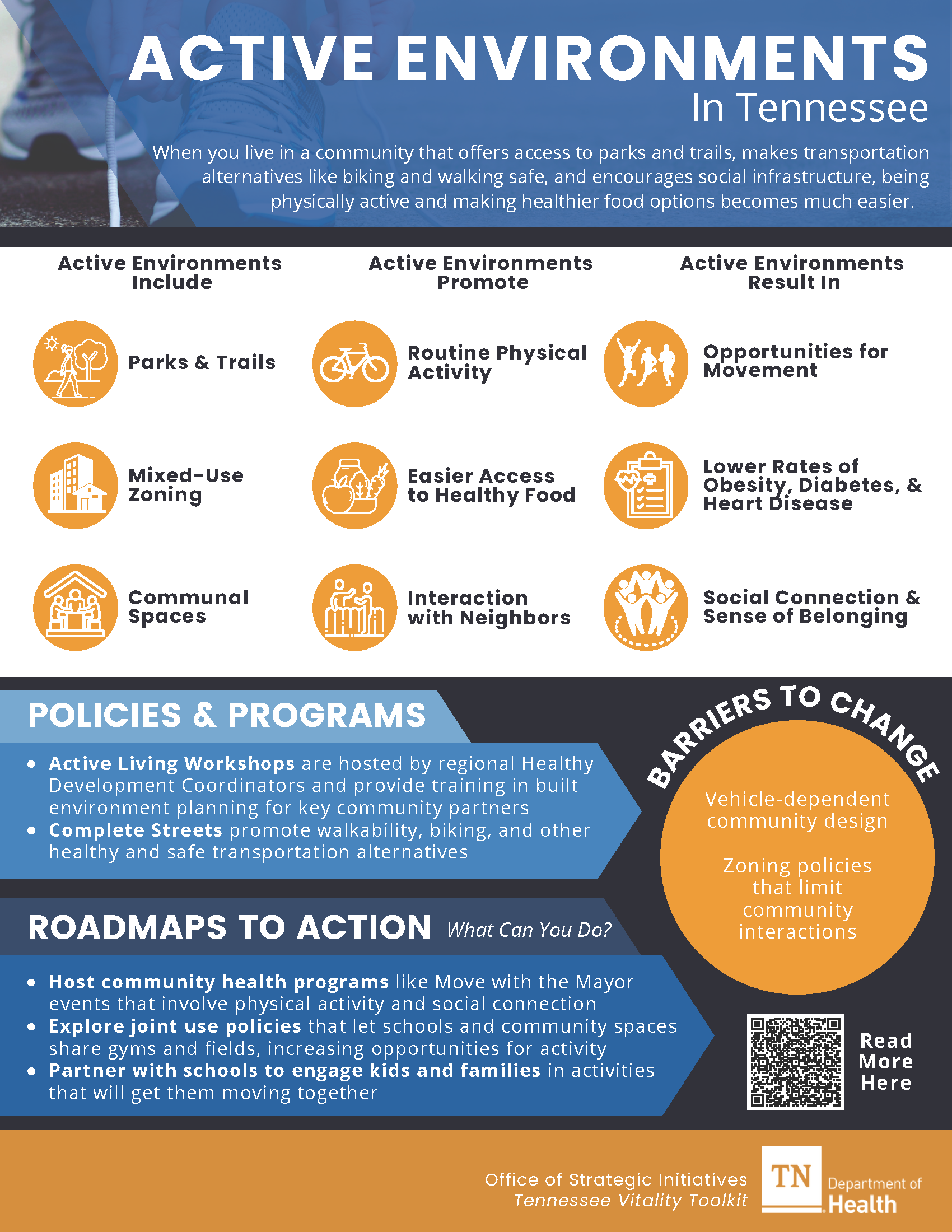
Active environments are places that make it easier for people to get moving—like parks, walking trails, and bike lanes. In Tennessee, the need for more of these spaces is clear. In 2023, the CDC reported that 42.4% of adults in the state did not get the recommended 150 minutes of exercise each week.3 Even more concerning, 26% of adults said they did not exercise at all over the past 30 days.4
Creating active environments that combine easy-to-use physical spaces with strong social infrastructure can help people make healthier choices and stay active. This is an important step in improving health issues such as obesity and mental health, and improving overall community health.
-
Why are Active Environments Important for Community Health and Well-Being?
In Tennessee, access to active environments and social infrastructure is critical to shaping community health and well-being. The common advice is to eat healthier and move more. However, rising obesity rates show that larger community factors also play a role. If communities and neighborhoods are built to make healthy living easier, people can stay active and maintain a healthy weight.
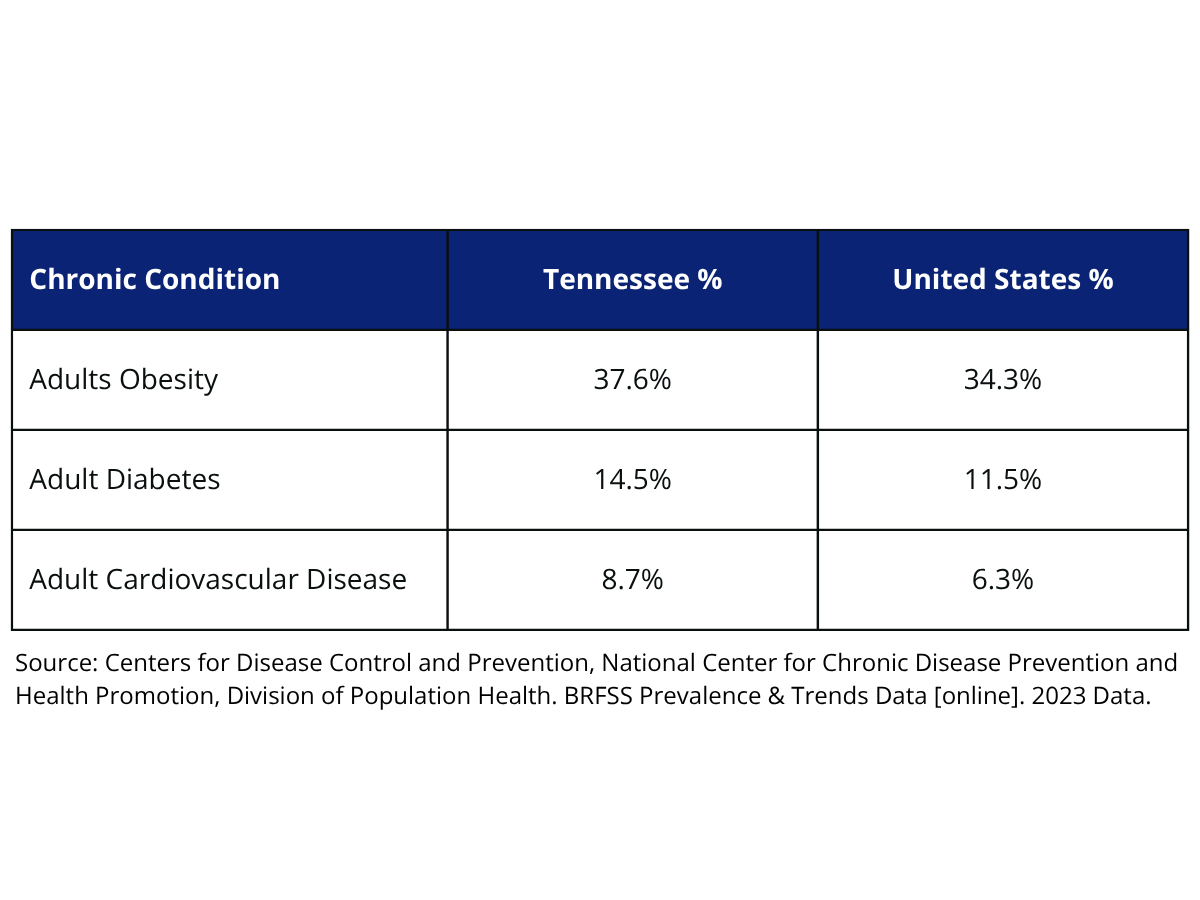
The growing rates of obesity, diabetes, and heart disease are a concern, and Tennesseans experience these conditions more often than the national average.5 In addition, America’s Health Rankings shows that Tennessee ranks near the bottom in the nation for risk of social isolation among older adults, highlighting the need for more opportunities to connect and engage in community life.6
Active Environments and Social Infrastructure
Active environments are places that help people move more, and the way communities are built impacts physical activity.7 People with access to green spaces like parks and trails are more likely to stay active.8 These spaces make it easier to be physically active every day and can lower the risk of health problems such as obesity, diabetes, and heart disease.
Social infrastructure includes public places that bring people together, such as schools, libraries, and community centers. In addition to providing services, these places allow people to meet, support each other, and feel like they belong.9 This is important for mental health and overall well-being. When neighborhoods are designed to make walking, biking, and public transit easy, people are more likely to use them. This builds movement and activity into daily routines, like getting to work or school. Well-lit paths, low-traffic streets, and safe routes encourage people to walk, bike, or use public transportation.10 This helps people stay active and feel more connected to their community.
Communities that are designed well often have better access to healthy food, like grocery stores and farmers’ markets. In contrast, neighborhoods with fewer options—sometimes called food deserts—may only have fast food or convenience stores nearby. Limited access to healthy foods can make it harder for residents to eat and stay healthy, with 15.6% of Tennesseans experiencing food insecurity.11 When active environments and social infrastructure work together, the benefits multiply. For example, a park near a community center can host exercise classes, farmers’ markets, or community events. This encourages physical activity, provides access to healthy food, and creates spaces for social connection. Together, these features improve physical and mental health, helping communities thrive.12,13 -
What are the Disparities?
Many people in Tennessee live in neighborhoods without opportunities to walk or bike, access to healthy food options, or safe spaces to socialize. This leads to unequal health outcomes among certain populations, which is why Tennessee has created the Access 2030 Initiative to make the state’s park system the most accessible in the nation.14 This Initiative aims to ensure all Tennesseans, no matter where they live, their abilities, or their background, can enjoy outdoor experiences close to home. Some key focus areas of Access 2030 include removing barriers that limit park access, creating job opportunities for people with disabilities within the park system, and using inclusive signs and digital tools to help visitors better understand and connect with nature, encouraging more people to become park stewards. 14
Children and Youth
Physical activity is essential for children’s health, yet studies show that activity levels remain low across the United States.15 In Tennessee, only 20.1% of children aged 6–17 were physically active for at least 60 minutes daily.16
Access to safe, green spaces is linked to better mental health in children. For example, having more green space near home reduces anxiety and social withdrawal.17 The built environment influences physical, mental, and social health, highlighting the importance of involving young people in community and urban planning.18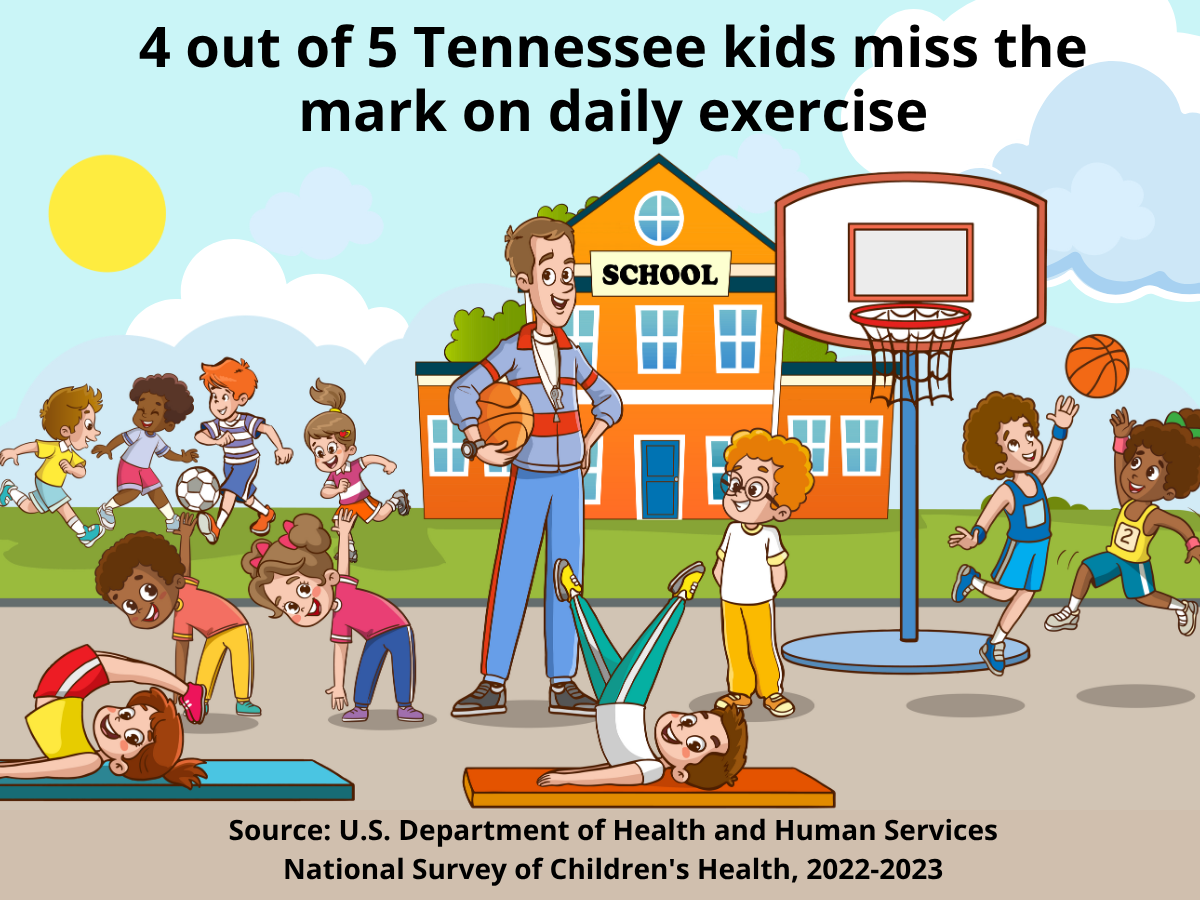 Early participation in sports can shape lifelong habits. Youth who do not engage
in sports are less likely to be active as older adults.19 Schools play a key role, but a lack of teacher training can limit opportunities for
age-appropriate physical activity and play experiences.20,12 Social challenges, like bullying or rejection during activities, can discourage children
from participating, making supportive environments essential.20
Early participation in sports can shape lifelong habits. Youth who do not engage
in sports are less likely to be active as older adults.19 Schools play a key role, but a lack of teacher training can limit opportunities for
age-appropriate physical activity and play experiences.20,12 Social challenges, like bullying or rejection during activities, can discourage children
from participating, making supportive environments essential.20 Physical activity can help children cope with stress, anxiety, and depression, especially during public health emergencies, such as the COVID-19 pandemic or natural disasters.21 Engaging youth directly and considering their ideas when designing neighborhoods, parks, and other community spaces ensures that built environments meet their needs and encourage healthy, active lifestyles.22
Older Adults
Creating communities that support movement and social connection is especially important for older adults, as these spaces can help maintain health, mobility, and independence. Staying active as we age is crucial, yet only 20.9% of Tennessee adults 65 and older report meeting the federal physical activity guideline of 150 minutes of moderate or 75 minutes of vigorous aerobic activity and two days of muscle strengthening per week.23 Physical activity tends to decrease with age, often due to age-related health conditions that make movement more difficult.24,25
 Safe and well-designed active environments are especially important for older adults.
Increasing age is linked to more severe injuries in vehicle-pedestrian crashes, highlighting
the need for adequate walkways, crosswalks, and visibility.26 Access to parks, walking trails, and recreational spaces also supports participation
in sports and other physical activities.19
Safe and well-designed active environments are especially important for older adults.
Increasing age is linked to more severe injuries in vehicle-pedestrian crashes, highlighting
the need for adequate walkways, crosswalks, and visibility.26 Access to parks, walking trails, and recreational spaces also supports participation
in sports and other physical activities.19
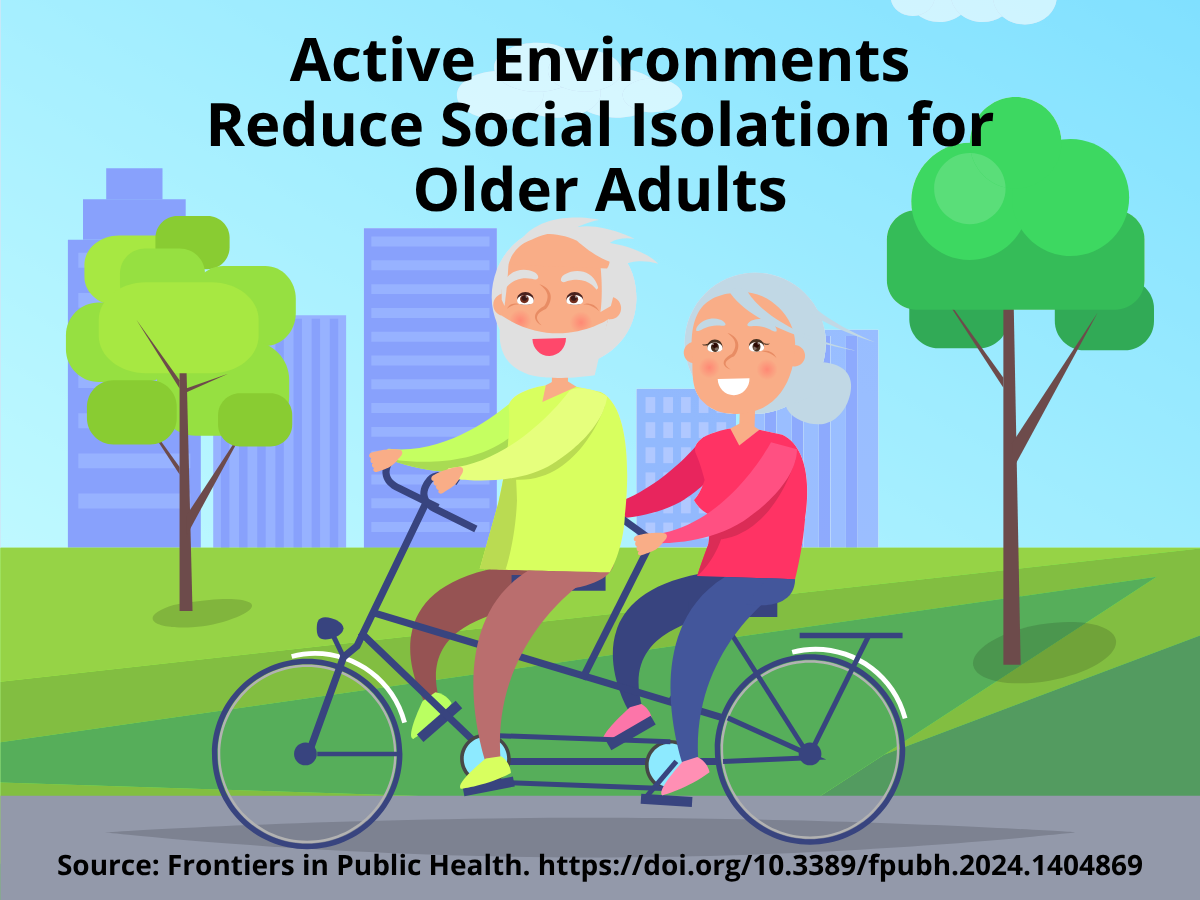
Active environments can help reduce social isolation. Older adults who take part in intergenerational activities experience lower risks of loneliness. In contrast, those living in areas with low livability or limited knowledge of community resources are more likely to feel isolated.27 Providing safe, accessible spaces encourages older adults to get moving and connect with others.
Access to healthy food is another key factor. Older adults who are food insecure are more likely to be obese compared to those who have enough food.22,28 Communities that combine recreational spaces with access to healthy food help support physical health and overall well-being for older adults.People with Disabilities
Children and adults with mobility limitations or intellectual and learning disabilities are at higher risk for obesity. Eating healthy, weight management, and staying physically active can be more challenging for people with disabilities.
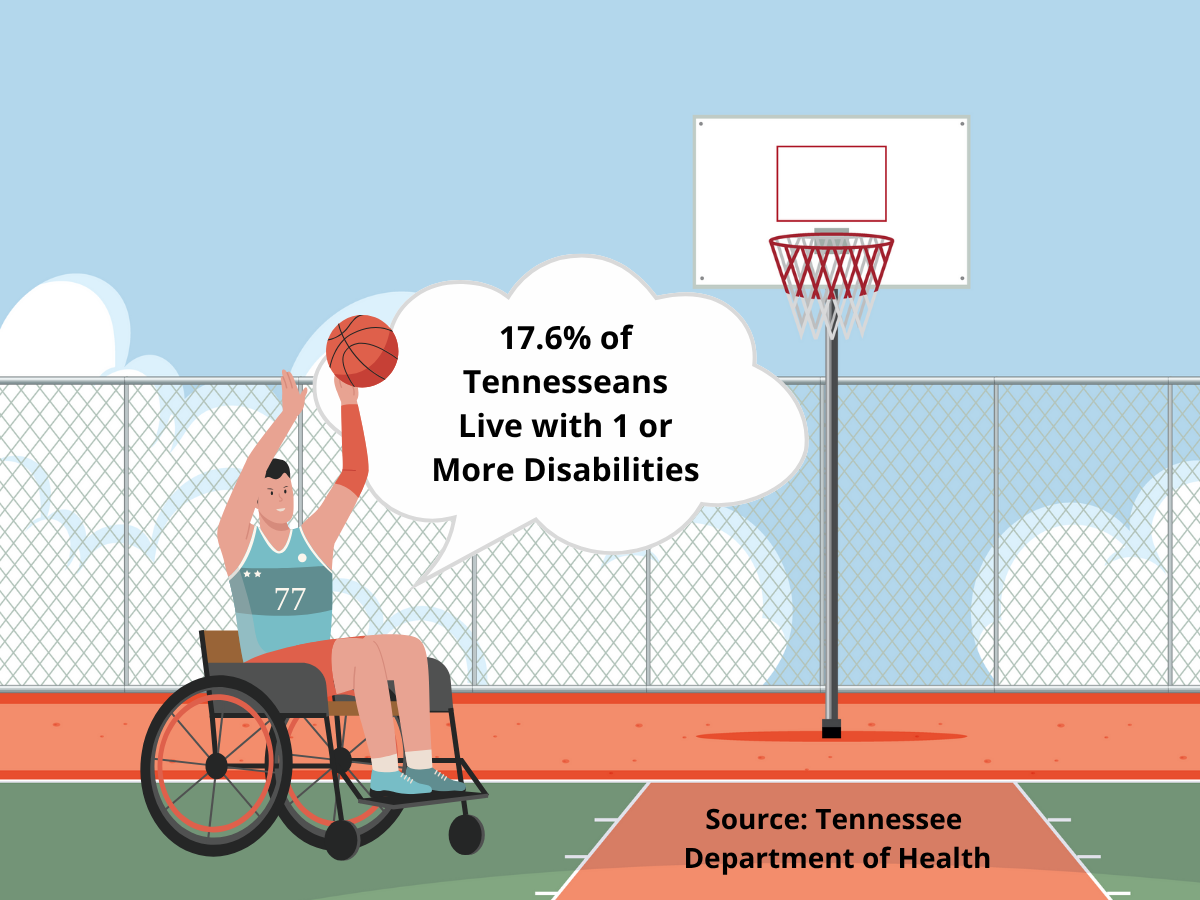
About 17.6% of Tennesseans live with one or more disabilities, which is higher than the national average.29 People with disabilities are frequently left out of public health programs that aim to improve physical activity or study its health impacts.30 In addition, there is a lack of disability-specific physical activity measures to track participation among people with condition-specific disabilities.30
Adults with disabilities are also less likely to participate in sports and other physical activities. Creating safe, accessible, and inclusive spaces for physical activity is essential to help people with disabilities stay active and healthy.
Racial and Ethnic Minorities
Racial and ethnic minorities in Tennessee face health disparities and fewer resources to support healthy living. For example, Black or African American adults are more likely to have diabetes than White or Hispanic adults.29 In 2023, 17.6% of Non-Hispanic Black adults in Tennessee reported having diabetes, compared with 14.1% of Non-Hispanic White adults and 4.6% of Hispanic/Latino adults.31
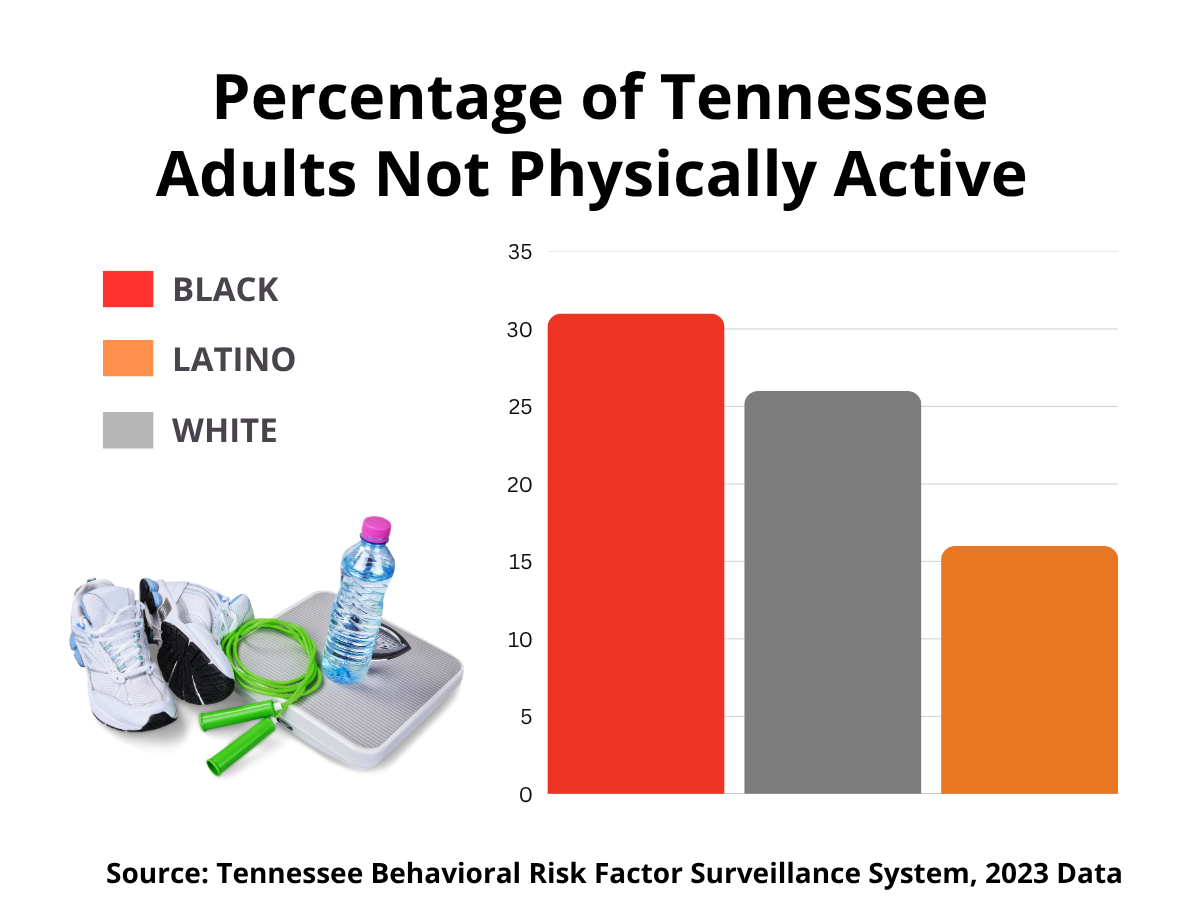 Data from the Tennessee Behavioral Risk Factor Surveillance System shows that physical
activity levels also vary by race. Outside of work, 25.65% of Non-Hispanic White adults
reported being inactive, compared with 30.6% of Non-Hispanic Black or African Americans,
and 23.8% Hispanic/Latino adults.32
Data from the Tennessee Behavioral Risk Factor Surveillance System shows that physical
activity levels also vary by race. Outside of work, 25.65% of Non-Hispanic White adults
reported being inactive, compared with 30.6% of Non-Hispanic Black or African Americans,
and 23.8% Hispanic/Latino adults.32These trends highlight the importance of creating safe, accessible physical activity spaces that meet everyone's needs. Data shows distinct differences in physical activity by race and age that contribute to long-term health risks.
These differences are shaped in part by the built environment. Many minority neighborhoods have fewer grocery stores with fresh food and fewer safe places for exercise.33 Without these resources, staying active and eating well is harder, which increases the risk of chronic disease. Ensuring all communities have access to healthy environments is essential to reducing these disparities.
Nutrition Insecure Communities
Nutrition insecurity happens when households cannot consistently access nutritious foods due to money, transportation, or other resource barriers. It is a significant issue in Tennessee. About one in five Tennesseans lives in a food desert, with most in urban areas and some in rural areas.34
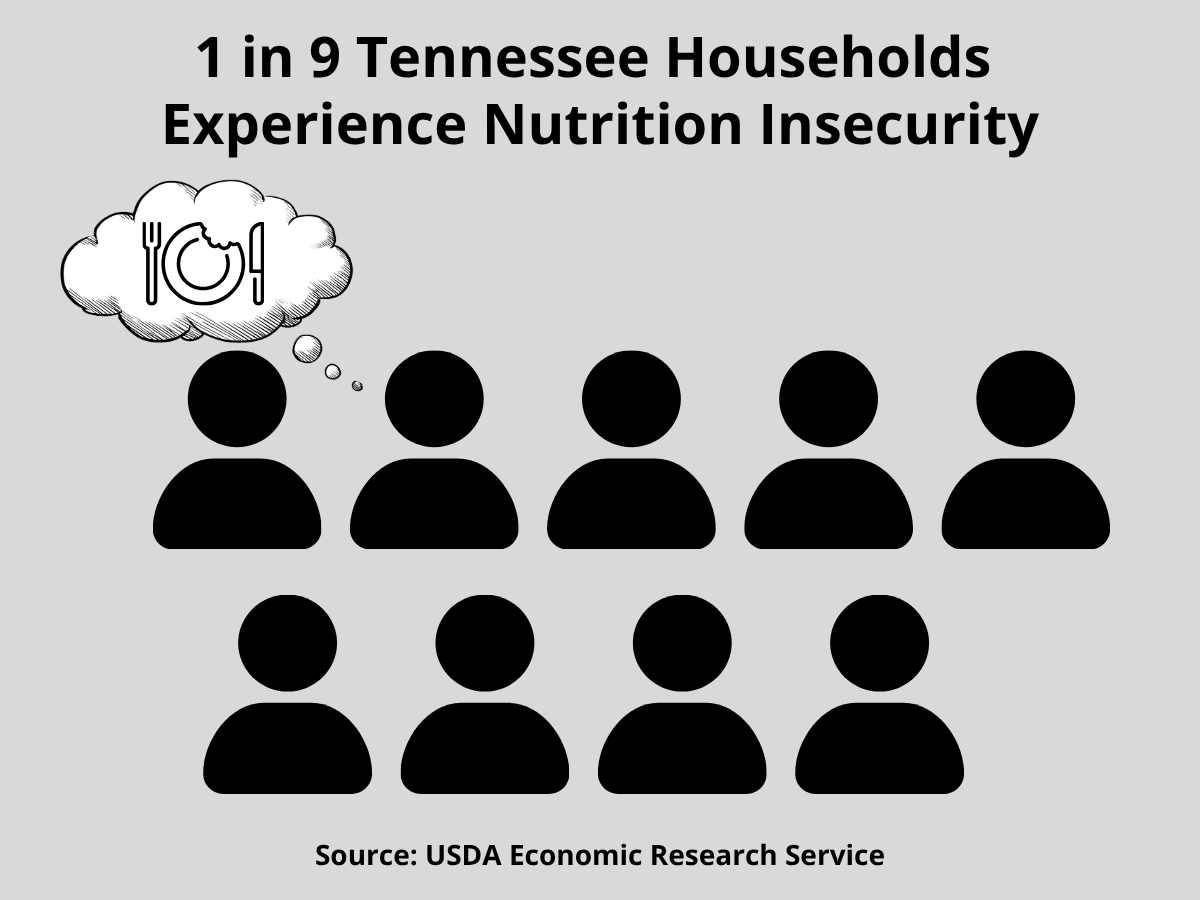 Between 2021 and 2023, roughly one in nine Tennessee households experienced nutrition
insecurity, slightly higher than the national rate.35 According to the 2024 Vanderbilt Child Health Poll, nearly 40% of families with children
face nutrition insecurity in the state.36
Between 2021 and 2023, roughly one in nine Tennessee households experienced nutrition
insecurity, slightly higher than the national rate.35 According to the 2024 Vanderbilt Child Health Poll, nearly 40% of families with children
face nutrition insecurity in the state.36
Research also shows that nutrition insecurity is connected to physical activity. People in nutrition-insecure households are less likely to get enough exercise.37 A study of Southeastern U.S. counties also found a strong link between nutrition insecurity and higher rates of diabetes.38 Combining access to healthy foods with safe, active environments is key to promoting overall health and reducing disparities across the state.Rural Communities
Rural communities often face challenges in accessing active environments. They may have fewer recreational facilities, limited places to gather and exercise together, and geographic barriers that make physical activity harder. Rural communities may not always recognize opportunities to repurpose existing resources to support health and well-being. For example, northeast Tennessee turned the old Tweetsie railway into a walking trail. It gives residents a car-free way to travel between Johnson City and Elizabethton and provides a safe place to walk, run, and bike.39
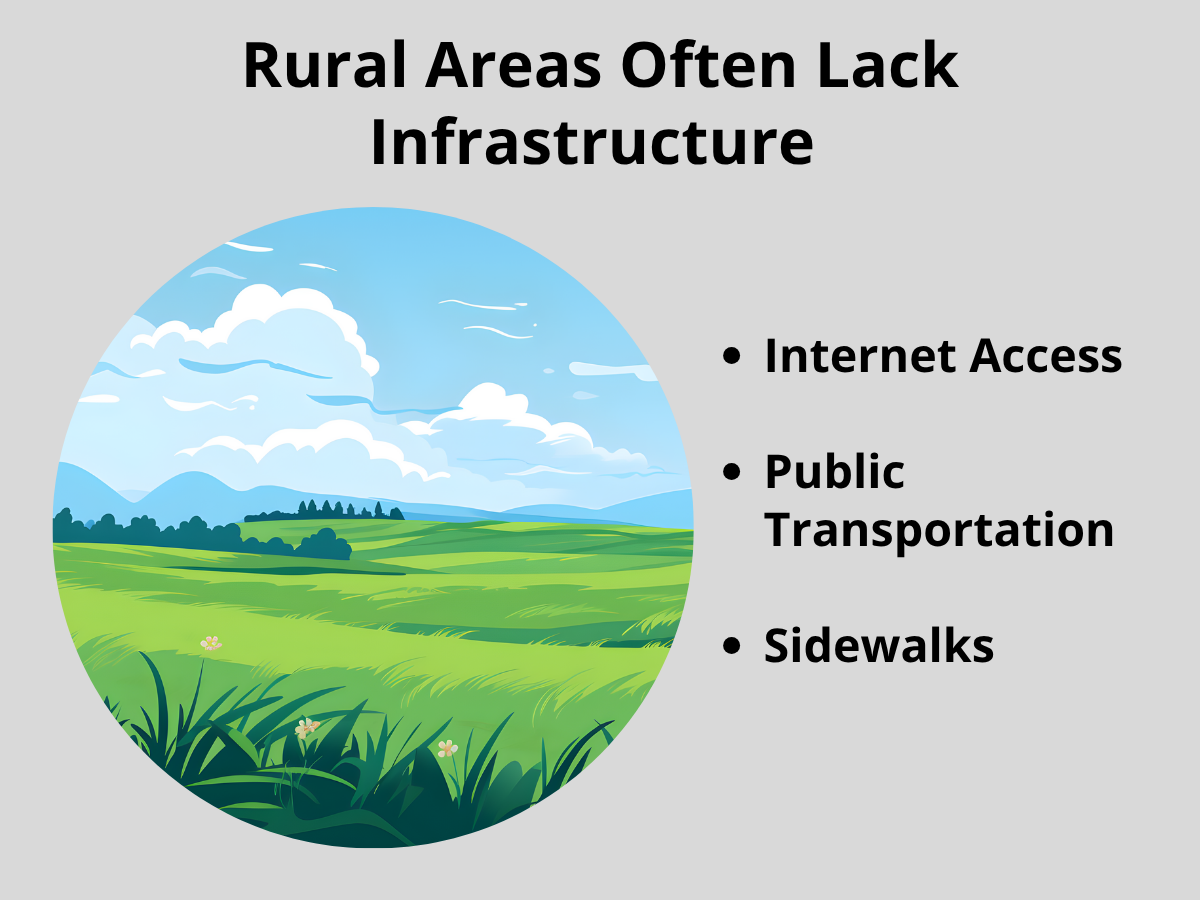
People in rural areas often like to spend time outdoors in natural places near their homes. However, walking in these areas can be unsafe since the lack of sidewalks forces people onto roads or narrow shoulders.24
 These safety challenges can make it harder for people to stay active and enjoy the
health benefits of their surroundings.
These safety challenges can make it harder for people to stay active and enjoy the
health benefits of their surroundings.Rural areas are experiencing the fastest growth in aging populations, and physical activity tends to decrease with age. This trend may affect how long older adults in rural areas stay active.24 Limited resources, such as internet access or public transportation, can further reduce opportunities for physical activity.25
Even in regions with large green spaces, health outcomes can remain poor. Challenges like rugged terrain, limited accessibility, poverty, and other behavior-related factors can prevent people from benefiting from these spaces.40
Improving active environments in rural communities—by adding sidewalks, trails, safe walking routes, and accessible recreational spaces—can help people of all ages stay active, safe, and connected to their communities. -
Community-Driven Solutions
Simple, proven steps communities can take to create places that make it easier for people to be active where they live.
- Host an Active Living Workshop - Bring community leaders and partners together to assess how the town’s design affects health and plan projects that support active, healthy living.
- Host community health programs – Combine physical activity and social connection, such as exercise groups with healthy cooking classes or planning a Move with the Mayor event.
- Organize neighborhood cleanups – Events like Earth Day, Lake Cleanups, or a Nobody Trashes Tennessee event, get people moving while improving public spaces.
- Use and enhance communal spaces - Host events at a public library, town squares, or public parks. Combine movement with cultural or educational activities like Storybook Trails, dance, or art projects.
- Partner with schools and families - Plan fun runs, walk/bike-to-school days, or after-school programs focused on movement and outdoor activity.
- Promote community gardens – Engage residents in planting and maintaining gardens to encourage healthy eating and active participation.
- Create walking and biking trails or challenges – Organize step challenges, biking events, or mapped trails to encourage daily movement.
- Host pop-up fitness or recreation events – Temporary outdoor yoga, Zumba, or playground games can boost participation and test ideas for permanent facilities.
- Organize community sports leagues or tournaments – Inclusive soccer, basketball, or pickleball leagues promote physical activity for all ages.
- Develop “active routes” maps – Highlight safe walking, biking paths, parks, and public spaces to guide people toward more movement.
- Offer intergenerational programs – Pair seniors and youth for walking clubs, gardening, or dance activities to strengthen social ties and activity.
- Incorporate movement into festivals and events – Add walking tours, active games, or dance to cultural events, farmers' markets, or parades.
-
Making Change through Policies and Systems
Long-term policy and systems change that help organizations work together to build active, healthy environments in communities.
- Partner with your county’s ThreeStar program and local development districts Align community development goals with health priorities and regional planning for transportation, housing, and economic growth.
- Leverage built environment funding – Use grants or programs that promote walking, biking, and active living.
- Advocate for walkable, connected streets - Promote design and zoning policies, complete streets, and mixed-use development that support safe walking, biking, and transit access.
- Support safe routes to schools and parks – Improve sidewalks, crosswalks, and bike lanes to make active transportation easier for everyone.
- Integrate health impact assessments into planning – Evaluate how new projects affect physical activity, safety, and overall health.
- Encourage active commuting incentives – Work with workplaces and schools to support walking, biking, or transit through rewards or wellness programs.
- Coordinate with healthcare providers – Promote community activity programs as part of preventive health initiatives.
-
Community Spotlight
The Health Council Community of Practice (CoP) connects Tennessee Health Councils through shared learning and discussion around health priorities. The links below provide access to recent CoP conversations related to this topic. To learn more about the Community of Practice, click here.
McMinn County (October 2023)
Hickman County (November 2024)Submit your own Community Spotlight! Please email Health.Councils@tn.gov with any relevant stories, resources, or presentations related to this topic.
-
Partners and Resources
Knowing where to find help and information can make emergency preparedness easier. Below are some key organizations and tools in Tennessee and beyond that can support you and your community.
Tennessee Resources
Tennessee Department of Health
- The Office of Primary Prevention
This office helps Tennessee communities build a culture of health through livable and nurturing places and spaces so that everyone can reach their full potential. The office has several resources on the built environment, including a newsletter and Healthy Built Environment Grants. - Healthy Development Coordinators
HDCs engage in cross-sector collaboration to address the social and environmental determinants of health. HDCs in the state’s seven health regions are developing relationships and collaborating with various local stakeholders to prioritize health in land use planning, transportation, housing, green space, food access, and economic development. - Healthy Places
This webpage provides many resources dedicated to the connection between places and community health. - Project Diabetes
This initiative funds primary prevention projects that aim to prevent diseases from ever occurring.
Tennessee Department of Economic and Community Development
- ThreeStar
This strategic community development program was developed to assist communities in preparing for a better future. The program incorporates asset-based planning initiatives and a two-year timeline to accomplish goals. Biennial grants are available to counties to align with one of the community’s identified goals.
Tennessee Department of Environment & Conservation
- The Office of Outdoor Recreation
This office works to expand conservation and outdoor recreation across the state. The office coordinates with agencies and partners to align policies, manage grants, and expand access to parks, trails, and other recreation opportunities. Through technical assistance, advocacy, and collaboration, it works to strengthen conservation, improve accessibility, and promote outdoor experiences for all Tennesseans.
Tennessee Department of Education
- Tennessee Coordinated School Health (CSH)
This program connects health and well-being with academics by uniting families, educators, and communities to ensure every student is equipped to succeed in the classroom and beyond. The CSH model integrates eight essential components: health education; physical education; health services; nutrition; healthy school environment; school counseling, psychological & social services; student, family & community involvement; and staff wellness.
Tennessee Department of Transportation
- TDOT’s Office of Community Transportation
This department partners with local agencies to improve collaboration on transportation decisions. - Complete Streets Plan
This initiative works with communities to design and create a transportation network that is safe and accessible for all users, including pedestrians, bicyclists, and transit riders. - Nobody Trashes Tennessee
This environmental stewardship program organizes community cleanup events to allow people to get outside and exercise while helping keep Tennessee beautiful.
Governor’s Early Literacy Foundation
- Storybook Trails
This program turns outdoor spaces into interactive reading adventures. This program presents a children’s storybook along a short trail. Families can walk, read, and play together as they explore child-height story panels—building literacy, encouraging movement, and creating meaningful moments outdoors.
Tennessee Recreation & Parks Association
This non-profit professional network that advocates for parks and recreation funding and legislation at the federal, state, and local levels. Across the state, there are trails like the Appalachian Trail in East Tennessee, the Cumberland Trail in Middle Tennessee, and the Red Leaves Backpacking Trail in West Tennessee.UT Extension
Extension offices help private and public land managers provide safe and sustainable outdoor recreation in Tennessee. They also provide resources, training, and research to help communities and businesses benefit from the state’s growing outdoor recreation economy and improve outdoor experiences for all Tennesseans.The Outdoor Recreation and Conservation Lab (O.R.C. Lab) at the University of Tennessee
O.R.C. Lab conducts research to help manage parks, forests, and other natural areas. They provide data and tools that support sustainable outdoor recreation, protect natural resources, and enhance visitor experiences. The lab also offers hands-on learning and professional development to address current and future conservation challenges.Tennessee Outdoor Recreation: Access 2030
Access 2030 is a statewide effort to make Tennessee’s park system the most accessible in the nation. This initiative aims to ensure that everyone in Tennessee can easily access and enjoy outdoor spaces close to home, no matter where they live, their abilities, or their background. - The Office of Primary Prevention
-
To Learn More
- Active Living Research
This organization offers tools and resources to help communities make schools, parks, streets, and neighborhoods better for physical activity. They provide easy-to-use guides, research summaries, and real-life examples of successful changes. Webinars, videos, and presentations help people learn how to create healthier, more active communities. - National Strategy to Advance Social Connection
This initiative from the U.S. Surgeon General’s office provides guidance on strengthening social infrastructure in local communities. It highlights ways to design spaces, programs, and institutions that encourage people to connect. These resources can help support active, healthy, and connected communities. - Building Resilient Inclusive Communities
This program, from the National Association of Chronic Disease Directors, partners with states to improve food and nutrition security, increase access to safe physical activity, and reduce social isolation and loneliness. The program focuses on making lasting changes through policies, systems, and community environments. - Active People, Healthy Nation
This CDC initiative provides strategies and tools to help communities plan for Active Environments. - Community Preventive Services Task Force
This organization recommends park, trail, and greenway infrastructure interventions when combined with additional interventions to increase physical activity. - Rails to Trails Conservancy
This organization provides planning tools and resources to help communities transform unused rail corridors into public trails for walking, biking, and other outdoor activities.
- Active Living Research