Governor's School
Fieldwork Experiences
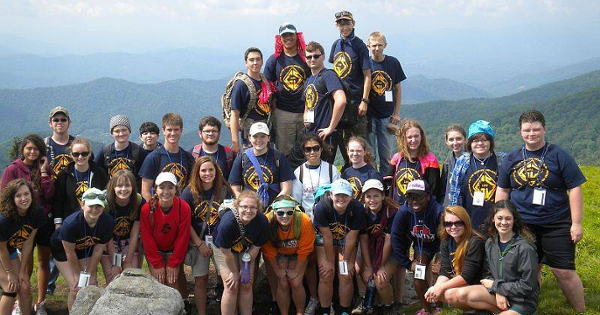
Fieldwork is a central component of the Governor’s School for Tennessee History and
Environmental Studies. These experiences extend learning beyond the classroom, allowing
students to engage directly with the landscapes, sites, and materials they study.
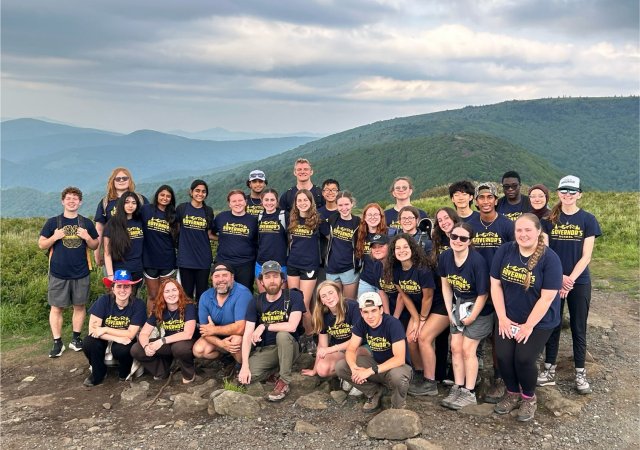
Rather than serving as standalone trips, field experiences are fully integrated into the academic program. They reinforce course content, provide context for discussion, and give students opportunities to observe and analyze real-world examples of the topics covered in class.
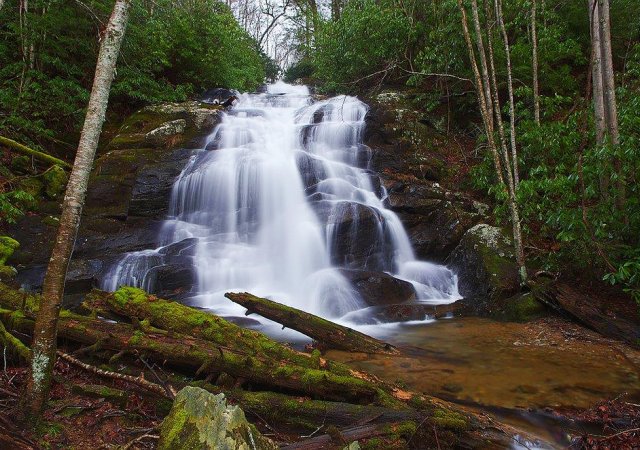
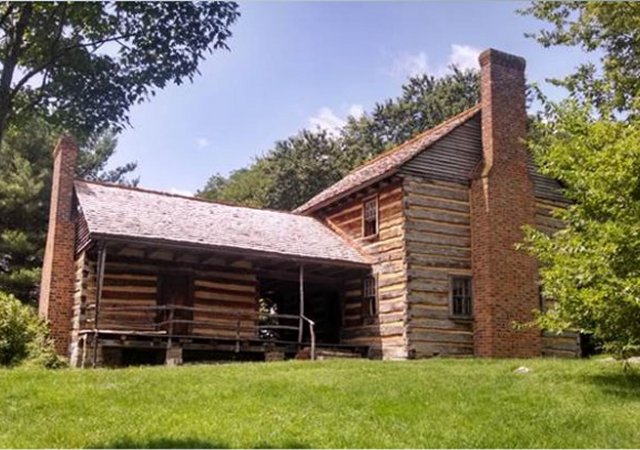
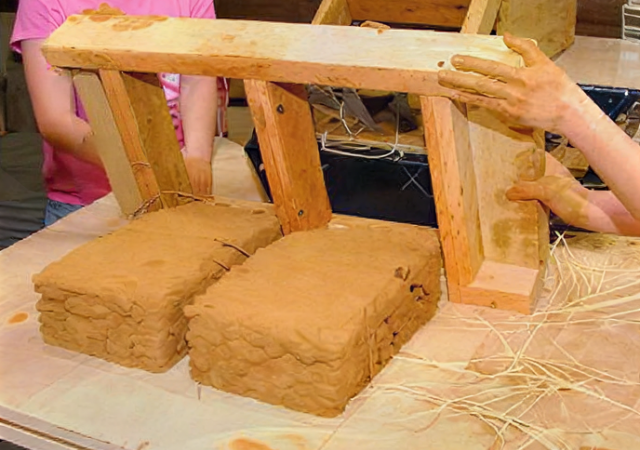
Students participate in a range of field-based activities throughout the program, each connected to the broader themes of history, environment, and regional culture. Through this work, students examine primary materials, observe environmental systems firsthand, and develop a clearer understanding of how historical and cultural narratives are tied to place.
Because fieldwork is closely tied to the academic structure of the program, students are expected to connect their observations in the field with their coursework, strengthening critical thinking and their ability to apply knowledge across different contexts. Through its connection to the Center for Appalachian Studies and Services, the program is able to provide field experiences that give direct access to sites central to Tennessee’s history and environmental systems.
The region itself becomes an extended classroom, offering opportunities to study:
- The relationship between geography and settlement
- The use and management of natural resources
- Cultural traditions and community history
Fieldwork is not an addition to the program, it is a primary aspect of how the curriculum
is delivered, deepening understanding and supporting the program’s interdisciplinary
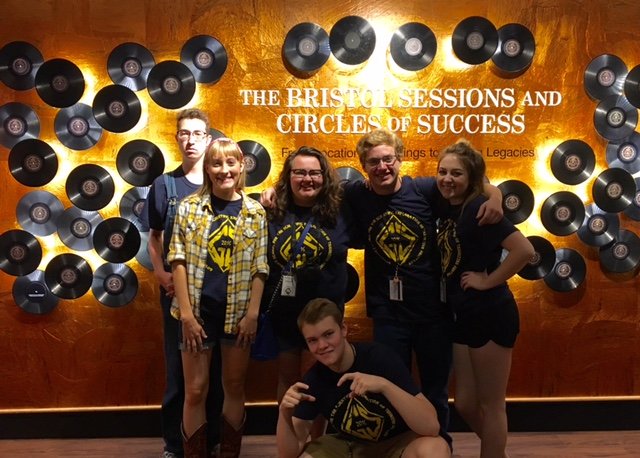
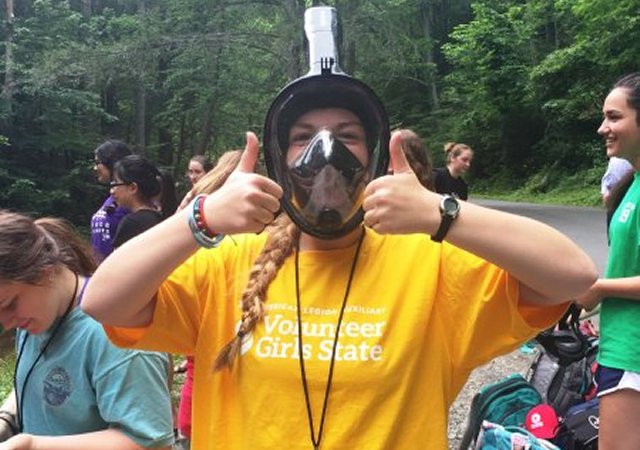
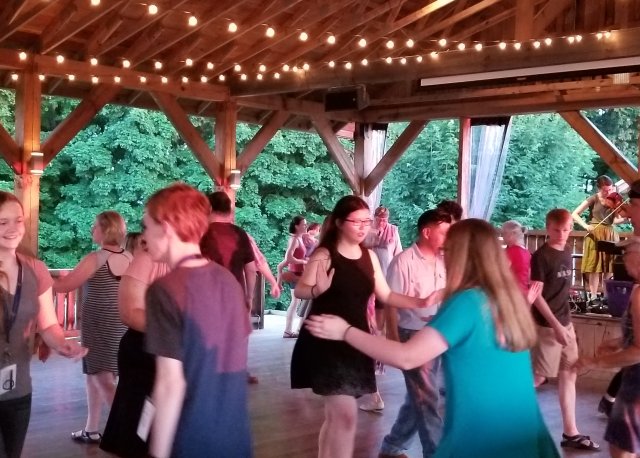
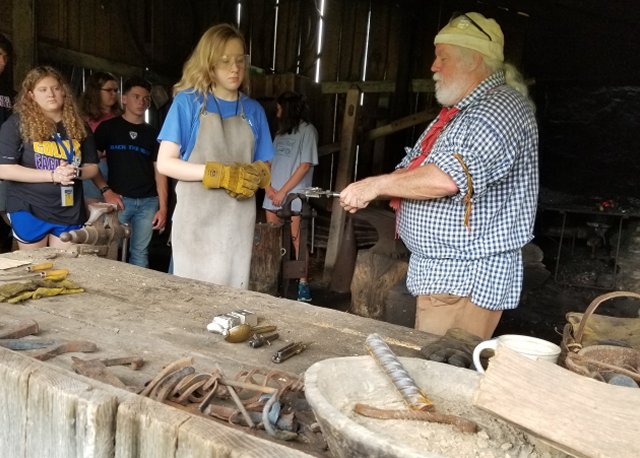
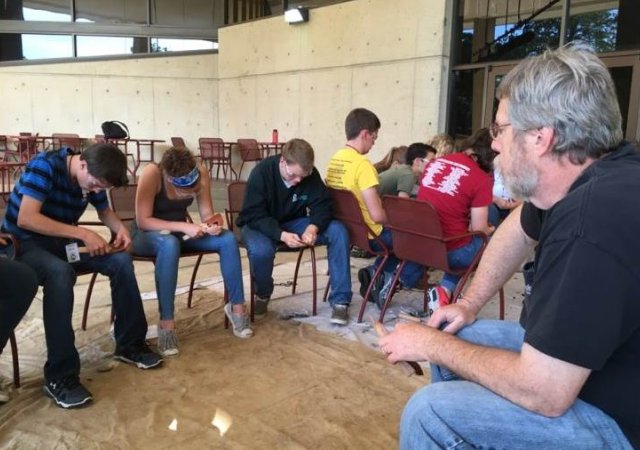
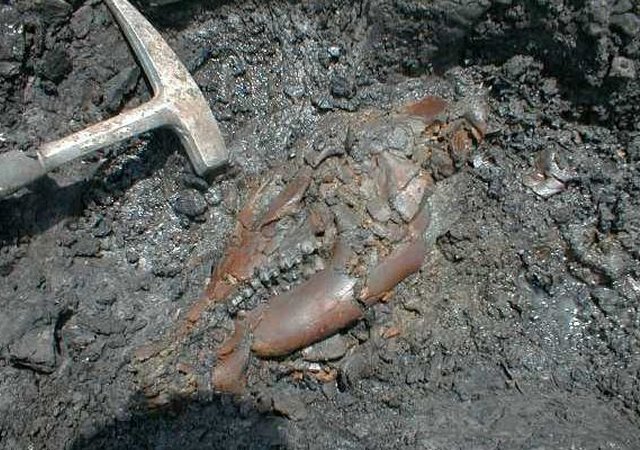
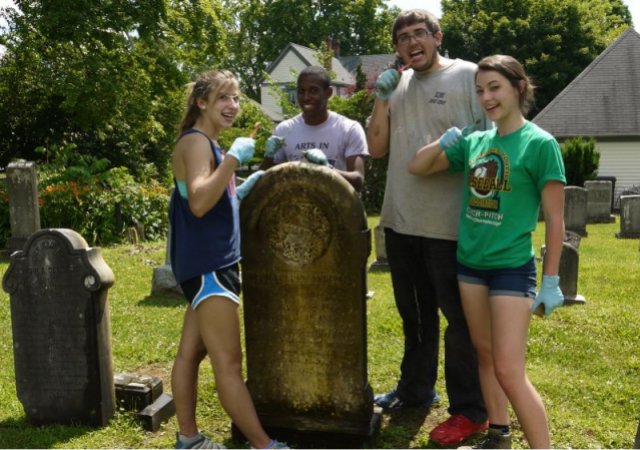
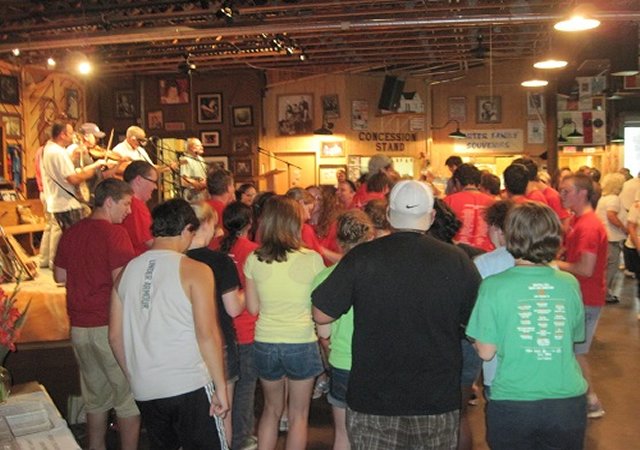
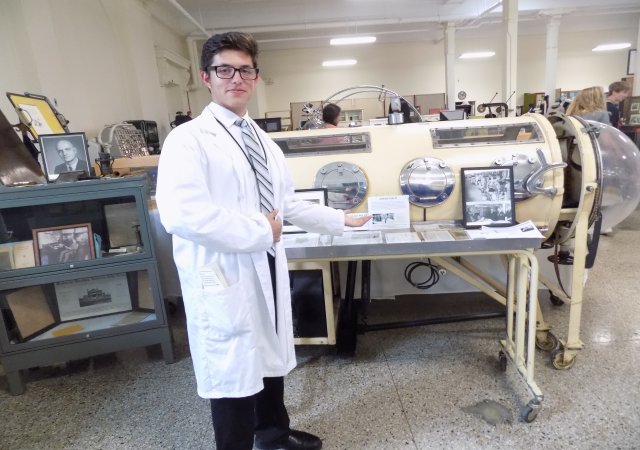
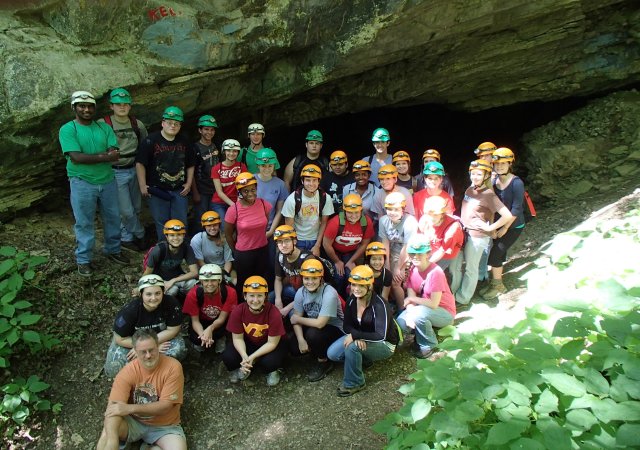
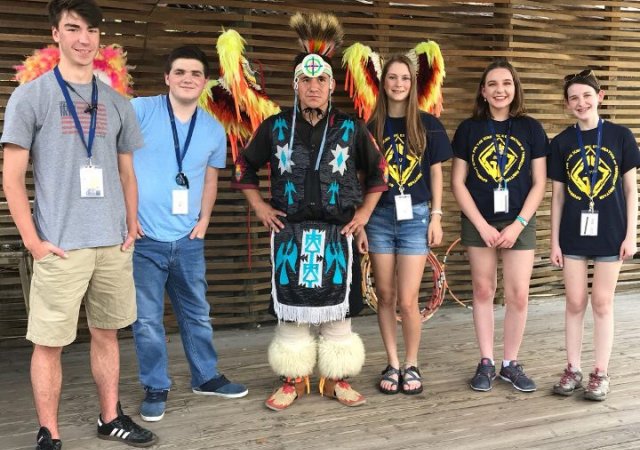
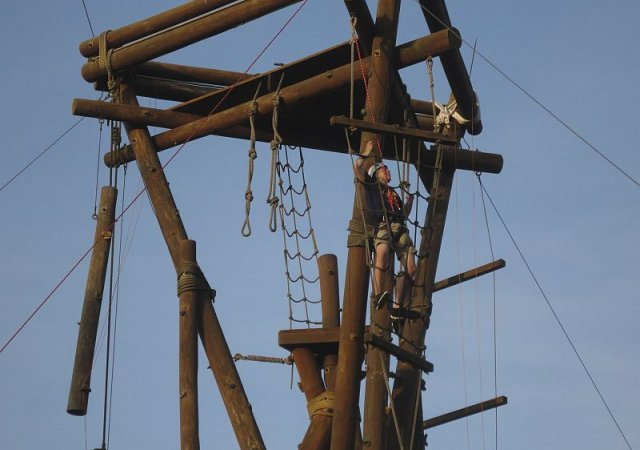
approach. Below are some of the examples of past fieldwork experiences: