Facility Resources
The Molecular Biology Core Facility is located in room 2-22, on the second floor of Building 119 on the VA campus.
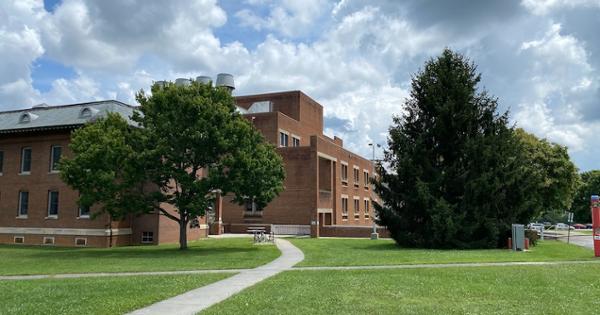
-
Instrumentation
The facility houses a range of molecular biology and analytical instruments, including:
- Beckman CEQ 8000 genetic analyzer
- Syngene G:Box XX6 imager
- Agilent 2100 Bioanalyzer
- Agilent 2200 TapeStation
- Eppendorf epMotion 5070 automated liquid handling system
- Turner Biosystems Modulus microplate reader
- Bio-Rad CFX96 real-time PCR system
- Eppendorf Mastercycler gradient thermal cycler
- Bio-Rad Bio-Plex MAGPIX system
- ProteinSimple Abby automated western blotting system
- NanoDrop One spectrophotometer
Additional molecular biology equipment is also available within the facility.
Dr. Reginia Campbell

Dr. Reginia Campbell
Assistant Director
Dr. Regenia Campbell is an expert in microbiome research, with publications on the role of fecal flora in heart failure and sexually transmitted infections. Her work focuses on how environmental factors influence responses to disease interventions. Current projects include research on gut microbes and neural signaling in heart failure, supported by the American Heart Association, and the maternal microbiome’s role in childhood obesity.
Dr. Campbell teaches in the second-year medical curriculum, covering anatomy, physiology, microbiology and neuroscience. She is also committed to scientific outreach, working to make science accessible to diverse and underserved populations.
She earned her doctoral degree in Biomedical Science with a specialization in Microbiology from East Tennessee State University. Her dissertation examined antibiotic-induced treatment resistance in chlamydial infections and contributed to updated treatment guidelines from the Centers for Disease Control and Prevention. She completed a postdoctoral fellowship in neurocardiology.
Dr. Campbell joined the faculty at the James H. Quillen College of Medicine in 2021 and is an assistant professor in the Department of Medical Education.