The Medical Student Summer Research Program is offered to rising second year medical students at ETSU's Quillen College of Medicine. Students selected for this competitive program will spend approximately six weeks during the summer between their 1st and 2nd year of medical school, working on a basic science or a clinical research project.
A stipend of $3,000 per student is provided to students selected to this program. Funding is provided by the Dean’s office, Clinical Departments, and the Department of Biomedical Sciences at Quillen.
The 2026 Summer Research Program will run May 25th - July 20th. There are three potential starting dates in 2026: May 25th, June 1st, or June 8th, and three potential ending dates: July 6th, July 13th, or July 20th. Starting and ending dates will be up to mentor/student and should be discussed during interviews. There are 6 weeks of mandatory research, but students can spend more time in the program if they want. The Medical Student Health Sciences Research Symposium will be held on Monday, October 5th from 10:30 am to 4:00 pm in Stanton Gerber Hall.
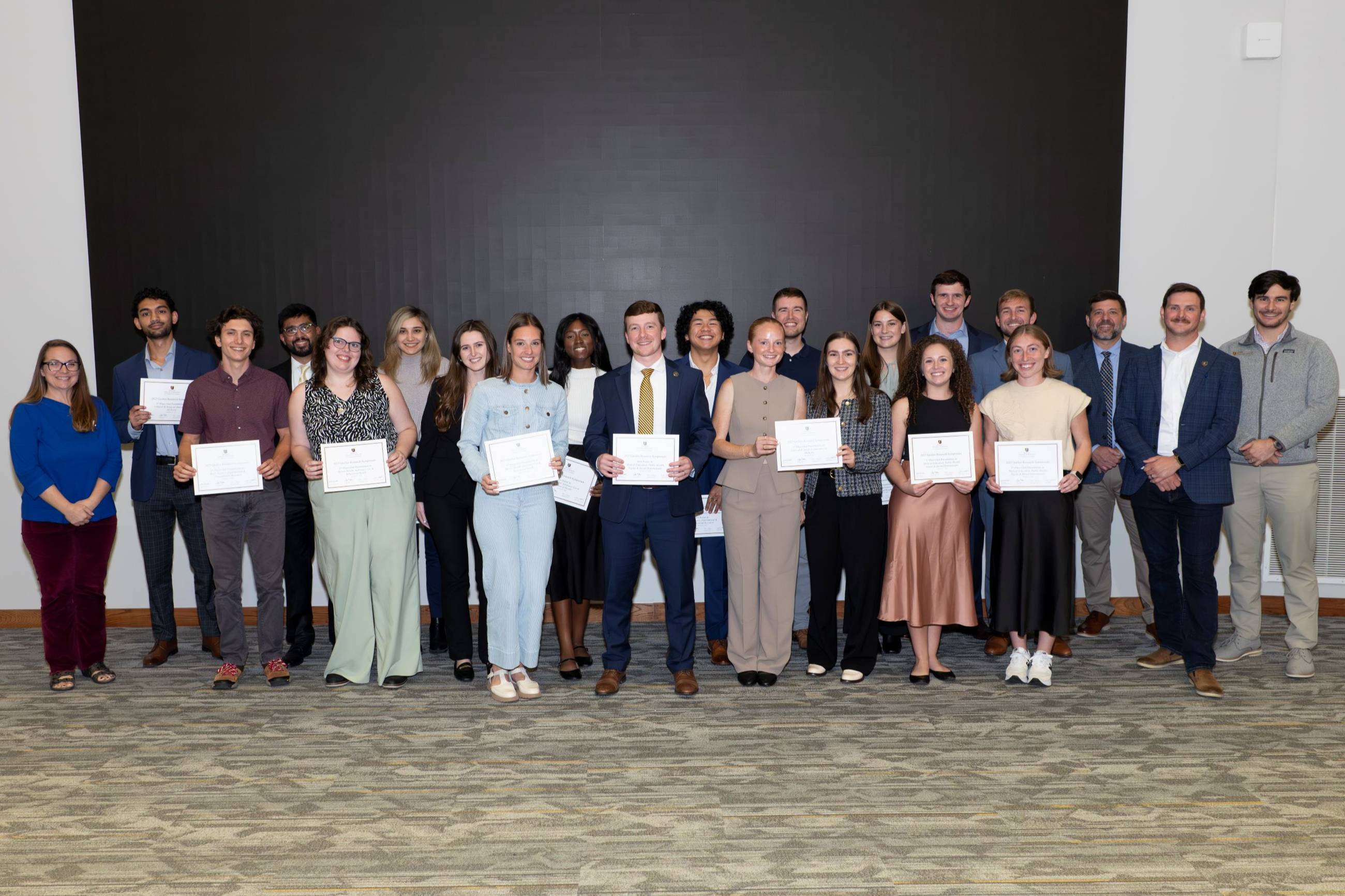
Medical Student Health Sciences Research Symposium
Near the end of the first semester of the first year, the director of the program will give a brief overview and instructions on how to apply. A list of mentors and their projects will be provided and students will select their top three projects. Interviews with potential mentors will be conducted early in the second semester of the first year. Students will be paired with mentors based on a mini-match process following interviews.
Students selected for this program are expected to give a research presentation at the Medical Student Research Symposium in the first semester of the second year of medical school. Students are encouraged to present their findings at the Appalachian Student Research Forum at ETSU as well as any local or national conferences.
Watch Student Research Stories
-
Video Transcript: ETSU Medical Student Research Program
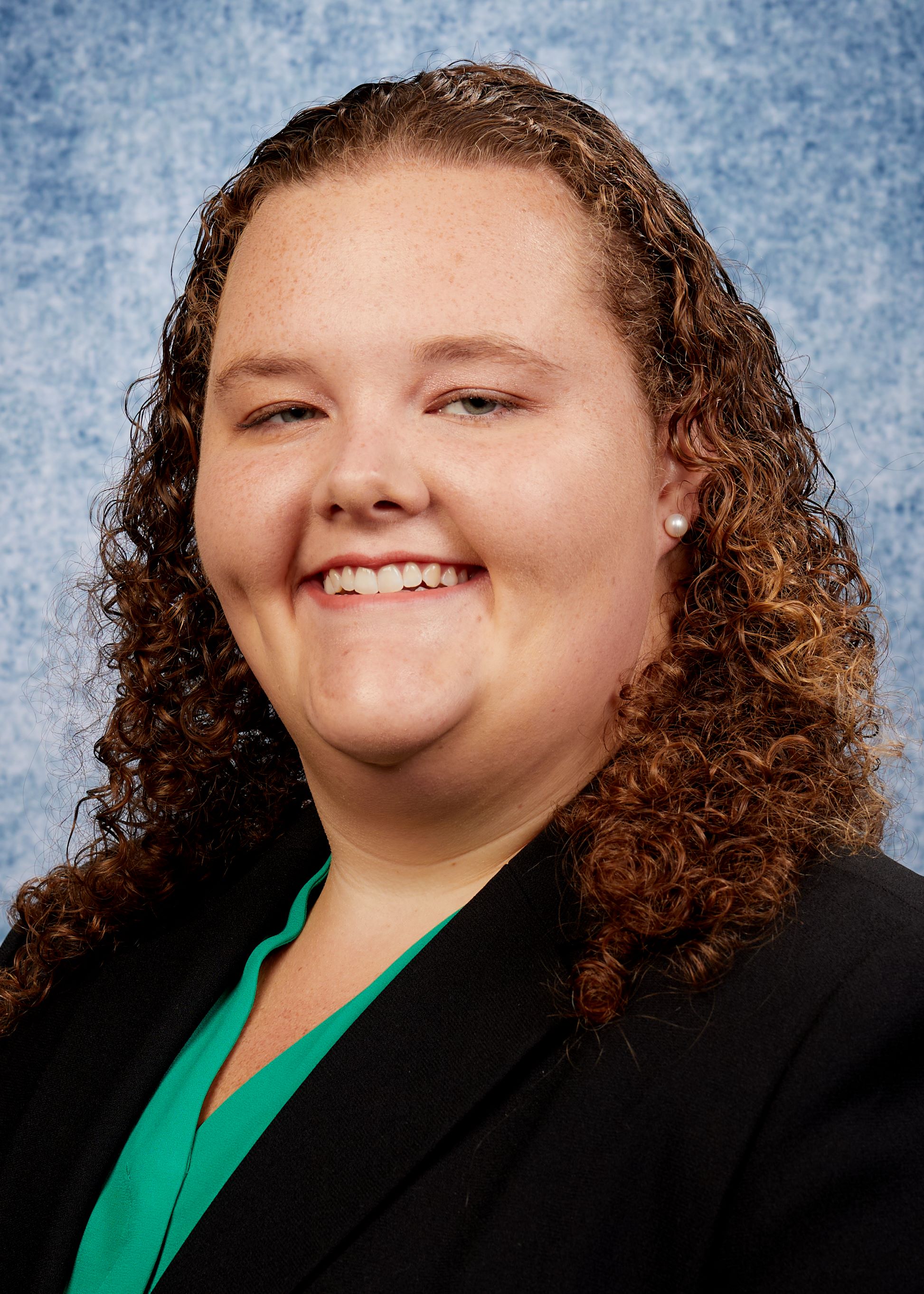
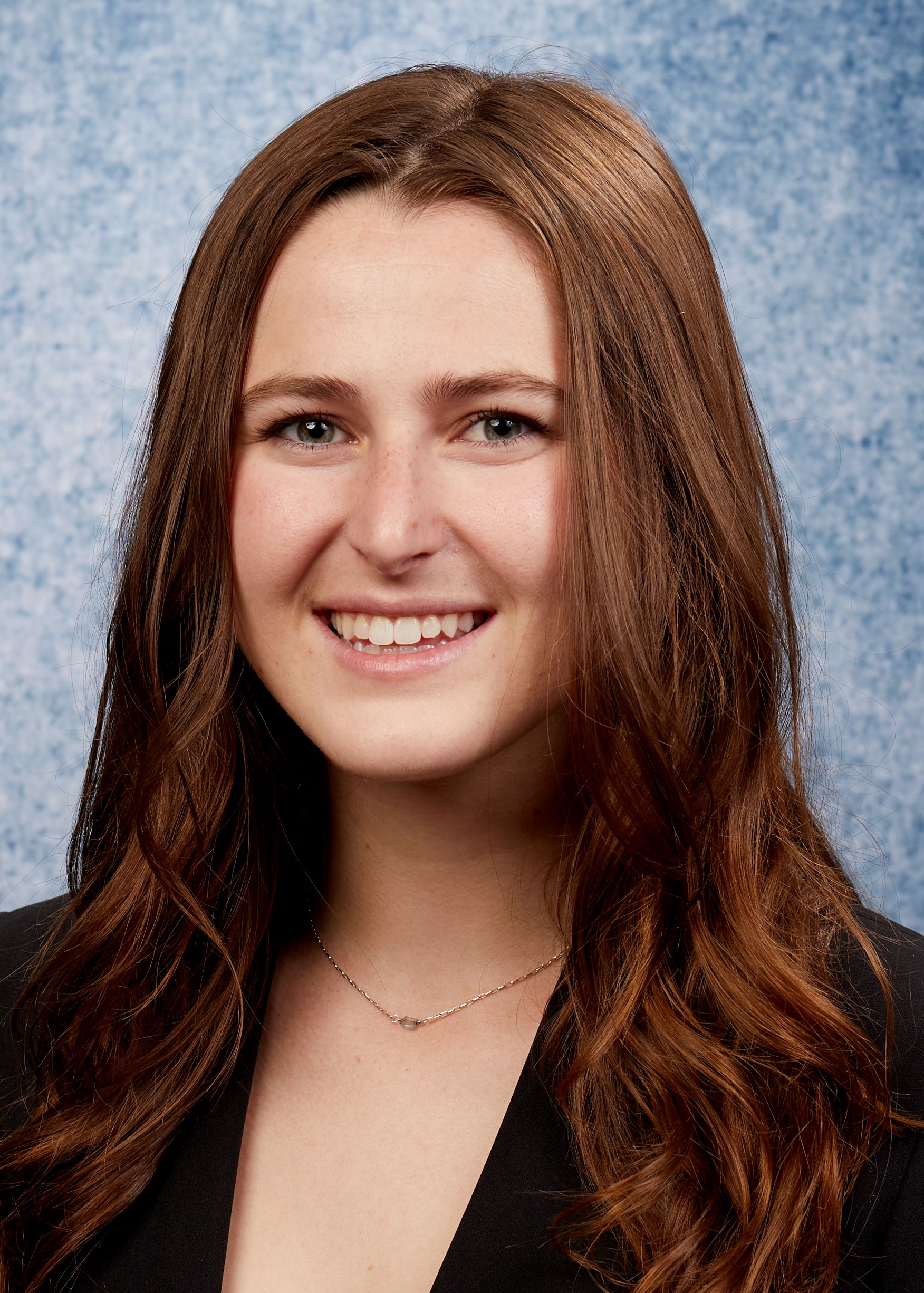
[Speaker: Ally Franklin]
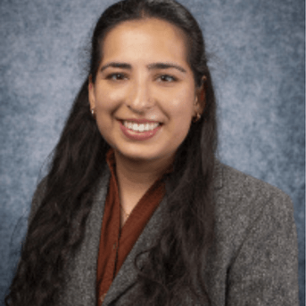
My name is Ally Franklin. I'm a student here at the Quillen College of Medicine, and I'm going to be talking about the Summer Research Program here at Quillen.The summer research program here at Quillen, it basically matches students with faculty members, and you can participate in all kinds of research. You can do more clinical research, you can do more biomedical research, and you can do a combination of both.
And it's great for students because some people might have no research experience. Some people might come in with a lot of bench work experience. And so you can really pick and choose whatever you want to do and make it your own.
In my experience, the faculty members here were so supportive of me and not having a lot of experience in clinical research. And so I was able to go into the clinic, speak to patients, learn to extrapolate data, do chart reviews.
And it was so beneficial to me, especially as someone who's wanting to go into primary care.
So having this research program here at Quillen is great for students because it allows us to apply our in-class concepts in the field.
I was able to use my doctoring and communication skills to speak with patients, and I was able to look at the different biochemistry that we have learned to better understand what's going on on the cellular level.
My research specifically, we wanted to examine to see where the location of a suicide risk assessment initially could affect patient outcomes in the future.
And so I was able to work alongside behavioral health consultants in the ETSU Pediatrics primary care clinic. And we were able to see what behavioral health consultants do in the clinic.
They're able to address patients who have different behavioral needs. It can be basically anything. But with our project, it was related to suicidality.
And so with that, I was able to learn how to extrapolate data from patient charts through a chart review. And I was able to see how this can apply to a clinic in the future.
I think overall, this research showed me the importance of addressing behavioral health and mental health concerns in the primary care clinic, and how you can have tons of patients come in today with mental health and behavioral health concerns. It also gave me an idea that I want someone like that in my clinic.
I want a behavioral health consultant in my clinic in the future, and I feel I'll be able to better advocate for that as a physician.
One of the great things about being a Quillen student is that they give us these early opportunities to get to the clinic, perform research in the clinic, talk to patients, hang out and talk to providers, and have that clinical exposure early on.
So my research experience at Quillen has been awesome. Before I was even a student at Quillen, I worked in the biomedical Sciences department as a research technician. So I had that bench work experience, and this summer I got to get the clinical experience.
So overall, it's been very well-rounded and I've greatly appreciated it.
I think that's something I would want anyone considering Quillen to know is that we're not just primary care. We have a lot of research opporftunites, both in the clinic, both at the bench, and sometimes even combined. This is a great school to become a well-rounded physician.
-
Video Transcript: ETSU Medical Student Research Program
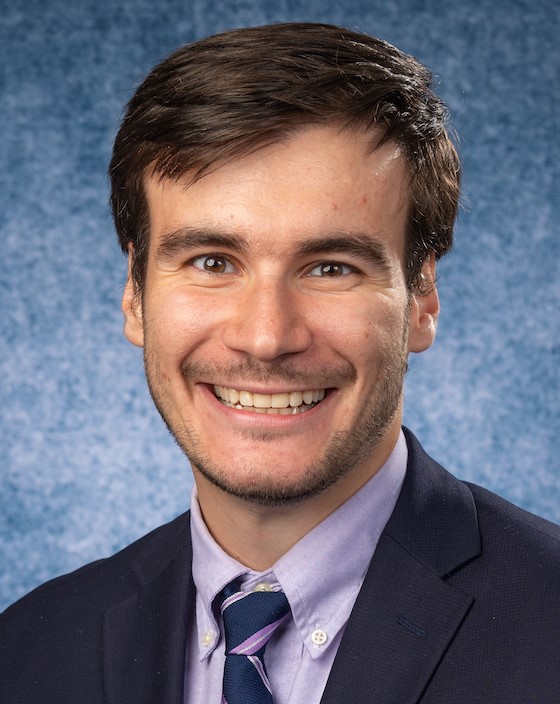
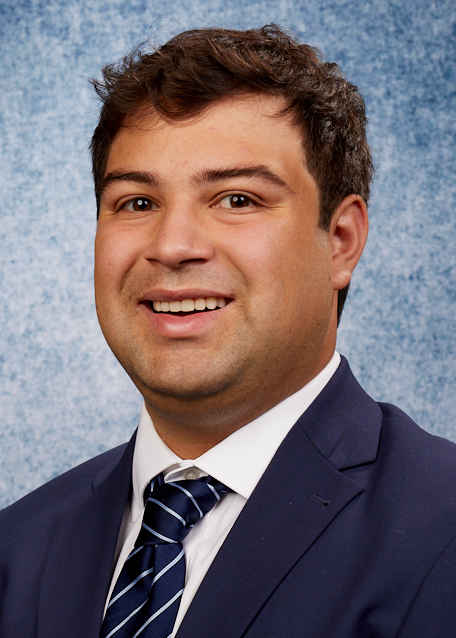
[Speaker: Henrik Haman]
Hi. My name is Henrik Hahamyan. I'm a medical student here at the Quillen College of Medicine, and I'm excited to talk about our research experience here. My summer research experience here has been great. I've been involved in a project this past summer to study, blood clots and legs after trauma patients are admitted to the hospital. And it's a great way to learn more about clinical research and work with the trauma team here.The best part about being a Quillen medical student here in East Tennessee is that we're right next to a level one Trauma Center that still has a lot of exposure to the rural areas that surround here in rural Appalachia. So while we're still medical students in East Tennessee, we have great exposure to an excellent hospital system to learn more about rural health.
So my summer research experience was working with the trauma team at Johnson City Medical Center. Trauma patients are at higher risk for blood clots. And so at our institution, we implemented a prophylaxis protocol to help prevent blood clots that occur in trauma patients. This was implemented in 2023 and between 22 and 24, we collected patients before and after the protocol was implemented. And and we looked at patient outcomes before and after and how often this profil axis was being used.
We found that the implementation of the protocol was successful, I was really happy to hear that for someone who has more research experiences, was still a great place to go to. One of the greatest part I love about this position is that how so many faculty members are ready to help and prepare students to do good research.
One of the ways is through that through the summer research program, but many students do research outside of this program as well throughout the school year.
Summer Research Program
|
-
Protocol Preparation
The ETSU IRB provides information, forms, and instructions on preparing a research study.
-
Summer Research Curriculum
-
Resources
Contact the Summer Research Program
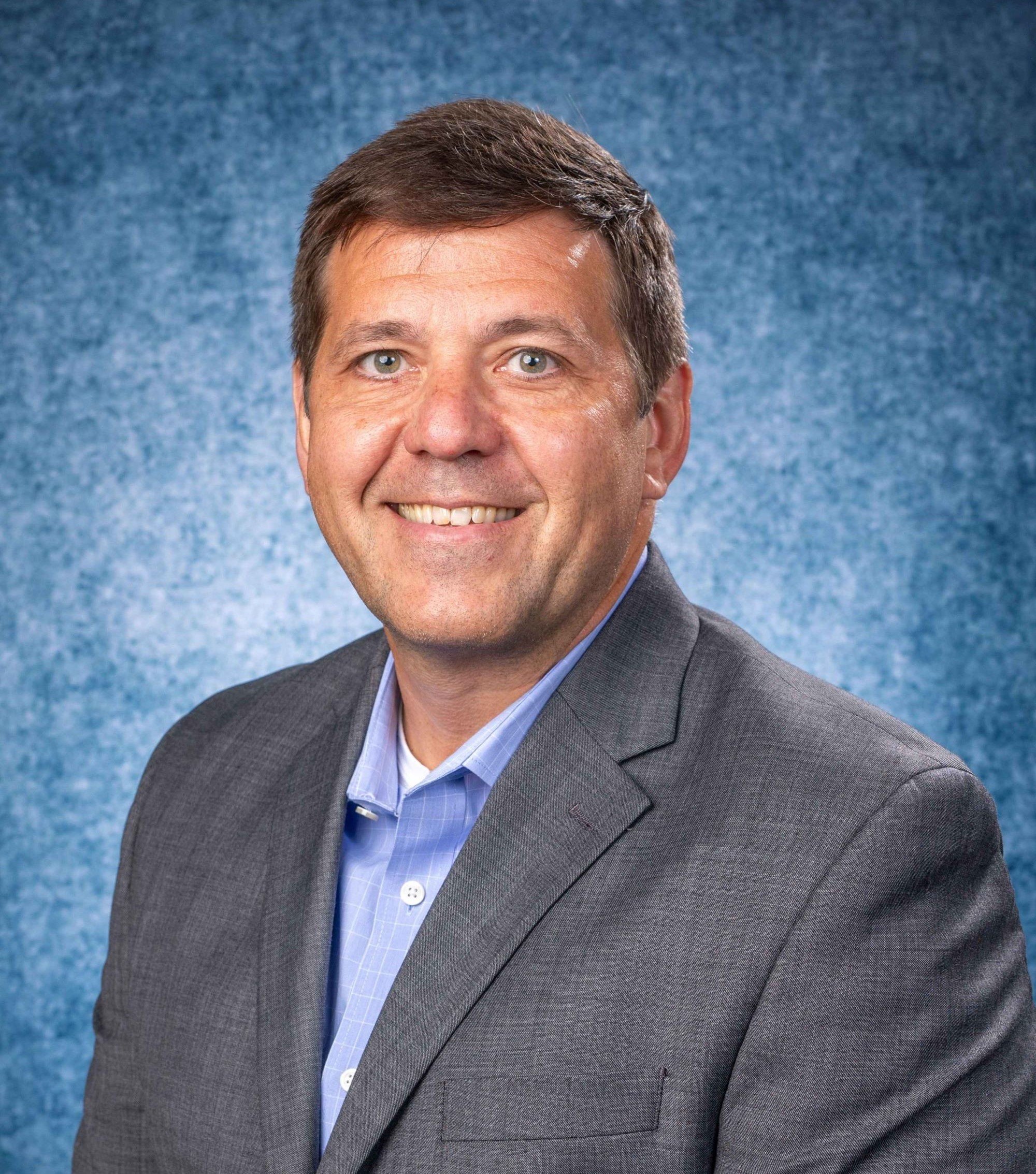
Aaron Polichnowski, PhD
Director, Summer Medical Research Program Quillen College of Medicine
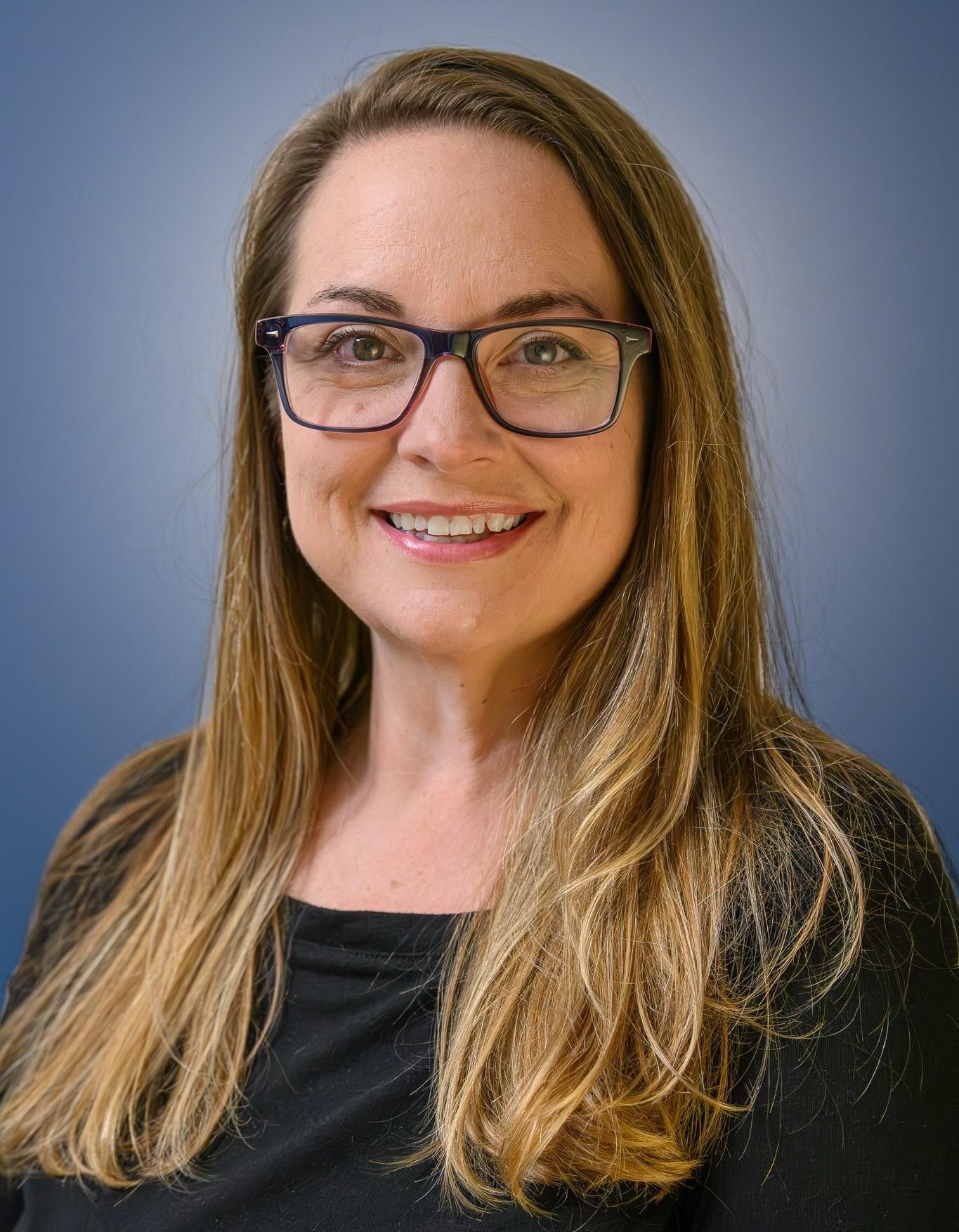
Lori Moore, MPH
Assistant Director, Summer Medical Research Program Quillen College of Medicine
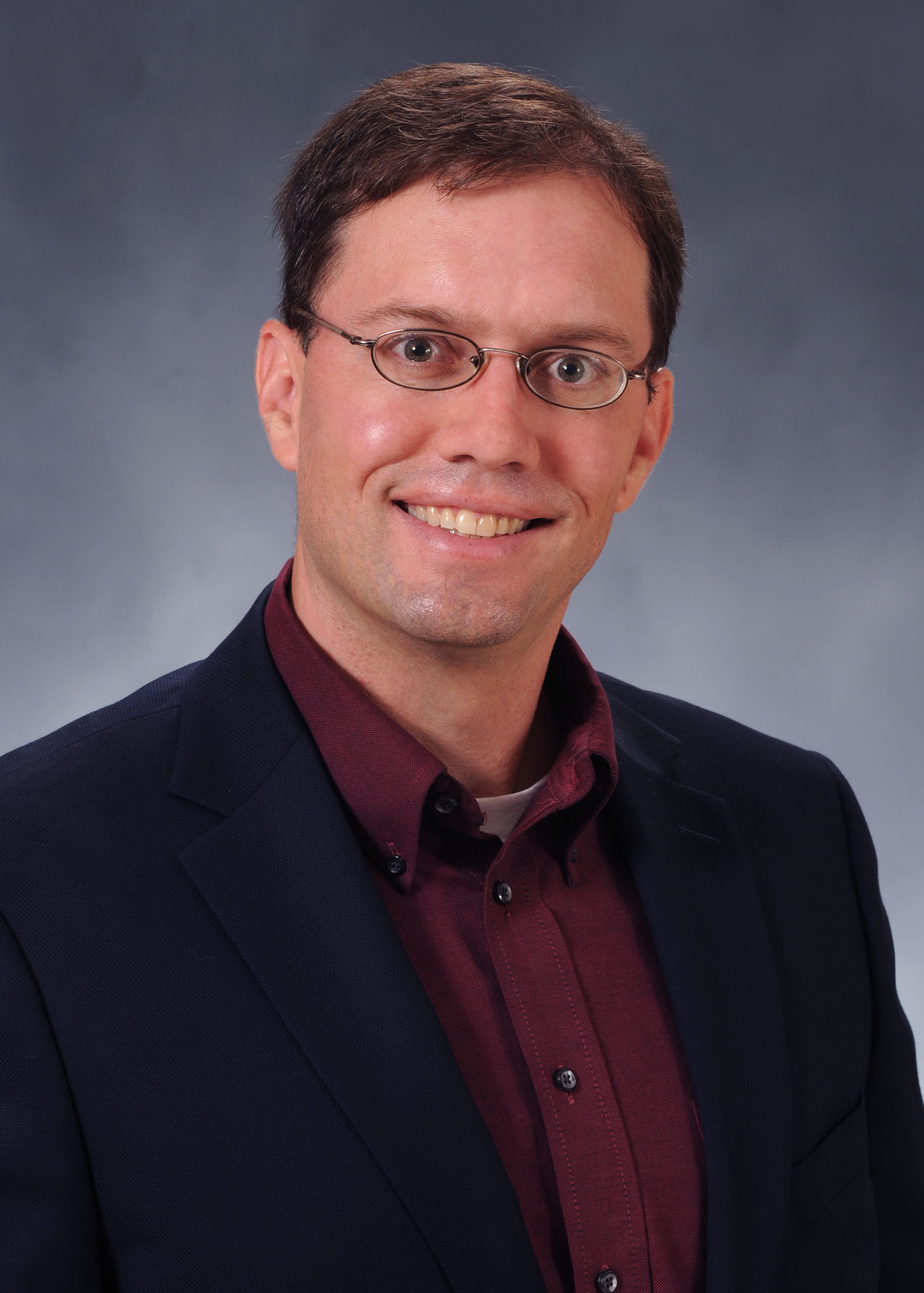
Patrick Bradshaw, PhD
Associate Director, Summer Medical Research Program Quillen College of Medicine